


Wales is compact enough to cross in a few hours by car, yet varied enough to feel like several countries in one. From Atlantic-facing surf beaches and pastel harbour towns to Celtic mountain ranges and lively cities, choosing the right base can transform a good trip into a great one. This guide compares seven of the best places to stay in Wales for beaches, hiking, road trips and car-free escapes, with practical examples of where different types of travellers actually bed down.
How to Choose Your Welsh Base
Start by deciding what you want within 20 to 30 minutes of your bed. In Wales that might mean a city centre hotel opposite a rugby stadium, a stone cottage on a cliff top or a village guesthouse on a bus route into a national park. With driving times relatively short, many visitors pick one or two hubs and explore on day trips rather than changing accommodation every night.
Budget is the next filter. In peak summer, a family room in a popular seaside town such as Tenby or a boutique hotel in Cardiff can easily reach mid to high three figures per night, while rural cottages or basic B&Bs a few miles inland are often substantially cheaper. For example, a three night September break in a self-catering cottage near Saundersfoot may start around the mid hundreds of pounds for a family, compared with higher hotel prices right on the harbour in high school-holiday weeks. Prices fluctuate sharply around major events in Cardiff and school holidays across the country, so flexible dates pay off.
Finally, think about how you will get around. Cardiff and Conwy work well without a car, with direct train connections and local buses. For most of Eryri, Pembrokeshire, Anglesey and Bannau Brycheiniog, a car or a willingness to use rural bus networks is highly useful. If you dream of long coastal or mountain hikes finishing in a village pub, consider staying in a small gateway town such as Betws-y-Coed, Beddgelert, Brecon or St Davids, where you can step out of the door onto trails or catch local buses to trailheads.
Cardiff: Best for First-Time Visitors and Car-Free City Breaks
Cardiff is Wales’s capital and the obvious base if you want museums, nightlife and easy public transport more than wild landscapes on your doorstep. The compact centre means you can walk between Cardiff Central station, Cardiff Castle, the Principality Stadium and most major hotels in 10 minutes or so. Well-known chains such as Hilton Cardiff and Radisson Blu sit beside older landmarks like the Angel Hotel, giving a spread from simple business rooms to higher-end suites with castle or city views.
For couples, Cardiff works brilliantly as a long weekend wrapped around an event, such as a rugby international or a major concert. On big event nights, central hotels can climb into the £200 to £300 range and often sell out, while midweek in spring or autumn you may find double rooms closer to or below three figures at budget brands if you book ahead. Many visitors combine a night or two in the centre with a final night in Cardiff Bay, where modern waterfront hotels overlook the harbour and are a short walk from restaurants and the Wales Millennium Centre.
Families and car-free travellers will appreciate how little you need to drive in Cardiff. Trains and buses connect to coastal day-trip spots such as Barry Island, while organised day tours run into the valleys and, in season, to Bannau Brycheiniog. You can spend a full day visiting the castle, National Museum Cardiff and the Victorian and Edwardian shopping arcades, then wander to Bute Park without ever needing a car. If you do plan to explore the rest of the country, Cardiff also makes a practical starting or finishing point for a road trip, with major rental depots near the station.
Eryri (Snowdonia): Best for Hiking Bases and Mountain Road Trips
Eryri National Park covers over 800 square miles of peaks, lakes and forests in north-west Wales, and where you stay here shapes your hiking day by day. For many walkers, Betws-y-Coed is the classic base. It has a railway station on the Conwy Valley Line, a good choice of inns and hotels along the river, and outdoor shops where you can pick up last-minute waterproofs. Riverside hotels such as long-established country house properties sit within walking distance of forest trails and waterfalls, making this a soft landing for first-time visitors who still want a village atmosphere.
For a quieter, more romantic setting, Beddgelert feels like a storybook village of stone cottages at the junction of two rivers. It sits beneath Moel Hebog and within easy reach by car of Yr Wyddfa (Snowdon) trailheads, but evenings are distinctly low key, centred on a handful of pubs and restaurants. Many visitors here book small B&Bs or self-catering cottages with views to the surrounding hills, then drive 20 to 40 minutes to different parts of the park each day. Petrol and larger supermarkets are in Porthmadog and Caernarfon, so it is wise to arrive stocked up.
Car-free hikers should look closely at villages with rail or strong bus links. Betws-y-Coed, Llanberis just outside the park boundary, and smaller places on main bus routes give access to popular routes without the stress of mountain parking. In high summer weekends, car parks at spots such as Pen-y-Pass and Ogwen can fill early and local authorities often operate park-and-ride style systems from valley car parks, so staying in a gateway village and using buses can be easier than chasing spaces in the car.
Pembrokeshire & Tenby: Best for Beaches, Coastal Cottages and Families
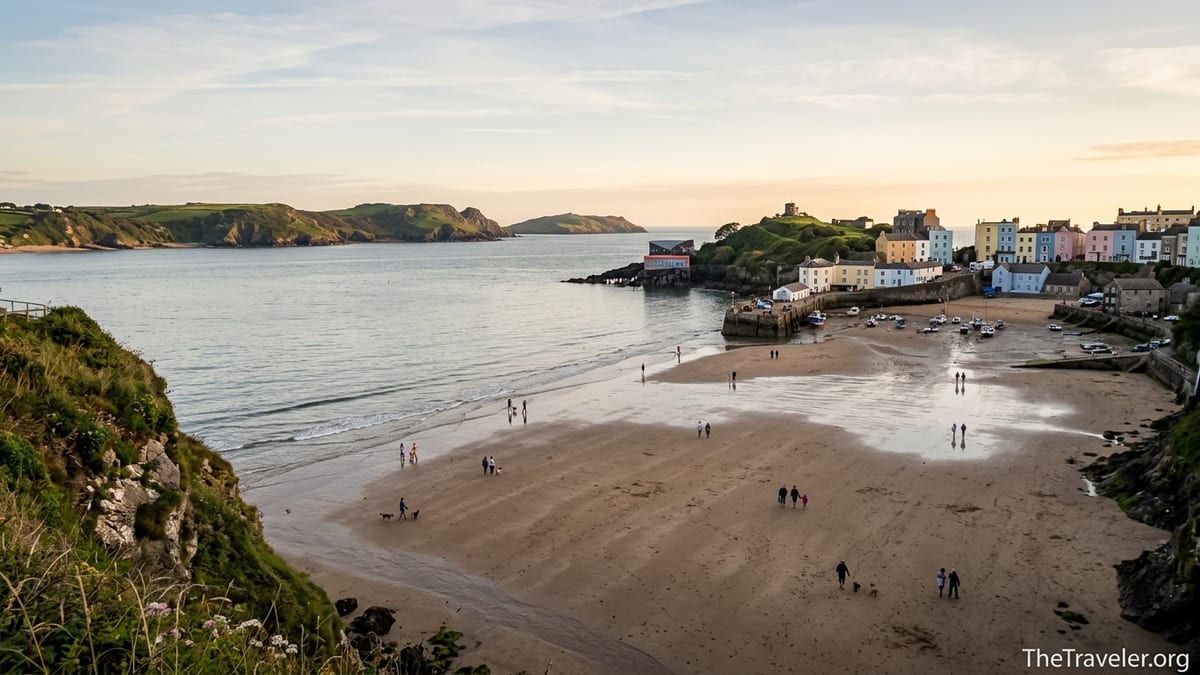
The Pembrokeshire coast is one of the UK’s great seaside playgrounds, with a long-distance coast path, surf beaches and family-friendly resorts. Tenby, with its pastel townhouses, medieval walls and harbour, is the most famous base. In school holidays the town’s hotels and guesthouses are heavily booked with families returning year after year. A seafront three-star like the Giltar Hotel, perched above South Beach, is typical of the traditional accommodation on offer: comfortable rather than flashy, with big sea views and direct access to the sands.
Families who want a little more space often look to self-catering apartments and townhouses in Tenby’s side streets or to neighbouring Saundersfoot. In Saundersfoot, local agencies and family-run companies manage a broad range of properties, from modern apartments a short walk from the harbour to dog-friendly cottages with enclosed gardens on the fringes of the village. A three-night off-season stay in a two-bedroom apartment might fall in the mid hundreds of pounds, while peak August weeks for a larger house can run to four figures, especially with sea views and hot tubs.
For walkers and couples seeking quieter nights, St Davids, Britain’s smallest city, makes an excellent alternative base. From here you are a short drive from Whitesands Bay, secluded coves and stretches of the Pembrokeshire Coast Path. Specialist agencies in and around St Davids list coastal cottages suitable for groups and walking parties, such as pairs of neighbouring properties that together sleep a dozen or more guests. These can work out cost effective for multi-generational family holidays, with parking for several cars and big kitchens for shared meals after a day on the path.
Public transport is limited but not non-existent. In season, coastal bus services connect Tenby, Saundersfoot and parts of the coast path, allowing linear walks without needing to double back. However, for flexibility on beaches, castles and remote coves, a car is strongly recommended in Pembrokeshire.
Anglesey: Best for Quiet Beaches, Cottages and Coastal Drives
The island of Anglesey, reached by road and rail bridges from mainland north Wales, is ideal for a slower, cottage-based holiday. Much of the coast is part of an Area of Outstanding Natural Beauty, with a signed coastal path, sandy bays and low cliffs. A classic road trip here is to follow the island’s coastline in a loop over several days, basing yourself in one or two villages rather than moving every night.
Beaumaris on the Menai Strait is one of the most attractive small towns on the island and a strong base if you want cafés, independent shops and a castle within a few minutes’ walk. Accommodation runs from long-established hotels in Georgian buildings, such as the Bulkeley Hotel overlooking the waterfront, to boutique inns in historic properties and a wide selection of self-catering cottages behind the seafront. Wherever you stay in the compact centre you are only a short stroll from the pier, promenade and coastal path, which makes car-free evenings particularly relaxed.
On the west coast, villages such as Rhosneigr and Trearddur Bay appeal to beach lovers and watersports fans. Here the emphasis is on self-catering houses and bungalows, many marketed through holiday cottage agencies, with features like garden space for surfboards, outdoor showers and log burners for cooler evenings. Couples might opt for a sea-view apartment, while larger groups book detached houses that sleep eight or more, often splitting the cost to keep the nightly rate manageable.
Anglesey suits travellers who plan to drive but want days where they barely use the car. You can wake up in Beaumaris, walk a stretch of the coastal path, explore the castle, then enjoy dinner in town without leaving on four wheels. The following day, a short drive takes you to beaches on the northern or western coasts, yet you return to the same bed each night.
Conwy: Best for Car-Free Castles, Coast and Eryri Links
Conwy is a walled medieval town on the north coast and an excellent base if you want to blend heritage, seaside air and easy access to Eryri without a car. The town has a railway station on the main line between Chester and Holyhead, so visitors from London or Manchester can arrive with one change at most. Inside the walls, small hotels and guesthouses occupy historic townhouses, many with views of the castle, harbour or estuary.
From Conwy you can explore much of north-west Wales on day trips. Local buses and trains link to nearby Llandudno for a more traditional resort feel, and the Conwy Valley Line runs up to Betws-y-Coed, where walkers connect with trails into Eryri. Some visitors base themselves in Conwy for a week, using rail and bus passes to roam between castles, seaside promenades and mountain villages, which keeps parking costs and driving stress to a minimum.
For couples, Conwy’s mix of cosy inns, good restaurants and atmospheric riverside sunsets is a strong draw. Many properties offer just a handful of rooms, so it is common to book well ahead for weekend stays in spring and autumn. Self-catering terraced cottages inside or just outside the walls provide a homely alternative for families, often with practical touches such as washing machines and small courtyards to rinse off sandy shoes after days on the beach.
Bannau Brycheiniog (Brecon Beacons): Best for Gentle Peaks and Canal-Side Towns
Bannau Brycheiniog, formerly widely known as the Brecon Beacons, lies roughly between Cardiff and the English border. It is a favourite for walkers who want mountain scenery without extended driving from the south of England. The main bases here are small market towns and villages strung along the Usk Valley and surrounding hills, each with a slightly different flavour but all within a short drive of much-loved routes.
Brecon itself is the largest settlement in the park, with a choice of hotels, guesthouses and self-catering houses, plus supermarkets and outdoor shops. It works well for families who want facilities at hand and the ability to drive in different directions each day. To the east, Crickhowell has developed a reputation for independent shops, a handsome stone bridge and access to the Black Mountains. Here you find riverside caravan and camping parks alongside farmhouse B&Bs and small hotels, and canal-boat operators on the nearby Monmouthshire and Brecon Canal offer floating accommodation that doubles as a slow-travel base.
For couples, smaller villages between Brecon, Crickhowell and Abergavenny are dotted with converted barns and cottages that are marketed specifically as romantic retreats, sometimes with wood-fired hot tubs or log burners. Group accommodation also exists in the wider national park and its fringes, such as re-purposed historic buildings and purpose-built centres that sleep several dozen guests, often used by walking clubs or multi-family gatherings. Because weather in the hills can change quickly, many visitors value being able to retreat to a comfortable base within a 20 to 30 minute drive of popular summits like Pen y Fan.
Public transport in Bannau Brycheiniog is more limited than in Cardiff or Conwy, but some bus routes do cross the park and local tourism organisations maintain up-to-date advice on car-free walking. In practice, most visitors arrive by car and use the towns as hubs for day hikes, market visits and pub dinners.
Matching Welsh Bases to Different Types of Trips
If your priority is a classic beach holiday with children, Tenby and Saundersfoot in Pembrokeshire are hard to beat. You can walk from many hotels and holiday lets straight onto sandy, gently shelving beaches where lifeguards patrol in season. Town-centre stays suit those who like arcades, ice cream and boat trips; families who prefer quieter evenings tend to seek apartments a short walk back from the seafront or cottages in nearby villages, driving into town for the day.
For couples keen on hiking and cosy nights in, Eryri and Bannau Brycheiniog stand out. A stone cottage near Beddgelert or Betws-y-Coed, or a converted barn near Crickhowell or Brecon, gives you a base for several days of walks in different directions. You might climb Yr Wyddfa one day, follow a valley trail the next and then take a scenic drive over a mountain pass, returning each evening to a pub within walking distance. In shoulder seasons, prices for such properties often soften compared with peak summer and Christmas weeks.
Road trippers who want variety can stitch several of these bases together. A common week-long loop for first-time visitors includes two nights in Cardiff, three nights divided between Conwy and an Eryri village, and two or three nights in Pembrokeshire or on Anglesey. This pattern keeps driving days to two to three hours and shows off both coasts, a national park and the capital. Those with longer breaks might add Bannau Brycheiniog in the middle as a quieter interlude between busier seaside and city stops.
Car-free travellers should focus on Cardiff, Conwy and key villages with rail links such as Betws-y-Coed, possibly combining them with coach tours or occasional taxis for more remote spots. With careful planning of train times and seasonal bus services, it is entirely realistic to spend a week hiking sections of the coast or mountains without hiring a vehicle, though you will have less flexibility to chase perfect weather windows.
The Takeaway
Choosing where to stay in Wales is less about finding a single “best” place and more about matching your base to how you like to spend your days. Cardiff is ideal for first-timers and car-free weekends, Eryri and Bannau Brycheiniog for hikers, Pembrokeshire and Tenby for classic beach holidays, Anglesey for slow coastal drives and cottages, and Conwy for a balanced blend of castles, coast and rail connections.
With distances short and scenery constantly changing, you do not need to rush. Two well-chosen bases can unlock a huge variety of experiences, from cliff-top sunsets and cathedral cloisters to market-town bakeries and ridge-top cairns. Decide whether your perfect morning starts with a city coffee, a sea swim or a mountain trail, then pick the Welsh base that puts that vision within easy reach of your door.
FAQ
Q1. What is the best place to stay in Wales for a first visit?
For a first visit without a car, Cardiff is usually the best base, with Conwy a close second if you want more castles and coast than big-city energy.
Q2. Where should I stay in Wales for the best beaches?
Tenby and Saundersfoot in Pembrokeshire are top choices for sandy, family-friendly beaches, while Anglesey offers quieter bays and more space even in summer.
Q3. Which Welsh base is best for serious hiking?
Eryri is the main hiking destination, with Betws-y-Coed, Beddgelert and Llanberis popular as bases. Bannau Brycheiniog is excellent for slightly gentler but still rewarding mountain days.
Q4. Can I explore Wales without renting a car?
Yes, if you focus on Cardiff, Conwy and rail-linked villages like Betws-y-Coed, and make good use of trains, buses and occasional taxis or organised tours.
Q5. What is a good base for a Wales road trip loop?
A classic one-week loop uses Cardiff, Conwy or nearby, an Eryri village such as Betws-y-Coed, and Tenby or St Davids in Pembrokeshire, keeping drives reasonably short.
Q6. Where should couples stay for a romantic Welsh break?
Couples often favour stone cottages around Beddgelert or Crickhowell, boutique hotels in Beaumaris on Anglesey, or seafront rooms in Tenby with sunset views.
Q7. What area is best for family-friendly self-catering cottages?
Pembrokeshire and Anglesey have a huge choice of family cottages near beaches, while Bannau Brycheiniog offers farm stays and barn conversions close to walking routes.
Q8. Which Welsh bases work well for car-free hiking?
Betws-y-Coed, Llanberis and Conwy link well with trains and buses into Eryri, while Brecon and Abergavenny are useful gateways for some Bannau Brycheiniog routes.
Q9. How far in advance should I book accommodation in popular Welsh spots?
For August beach weeks, school holidays and big rugby or concert weekends in Cardiff, booking several months ahead is sensible, especially for larger cottages.
Q10. Are there good options for larger groups or multi-family stays?
Yes, particularly in Pembrokeshire, Anglesey and Bannau Brycheiniog, where large cottages, linked properties and converted farm complexes can host a dozen or more guests.