


Wales rewards visitors who time their trip carefully. Mountain weather can flip from blue skies to mist in minutes, Atlantic fronts shape the beach season, and big summer festivals send prices climbing. For hikers, beach lovers and anyone hoping to dodge the heaviest crowds, understanding the Welsh calendar is just as important as choosing the right trail or seaside village.
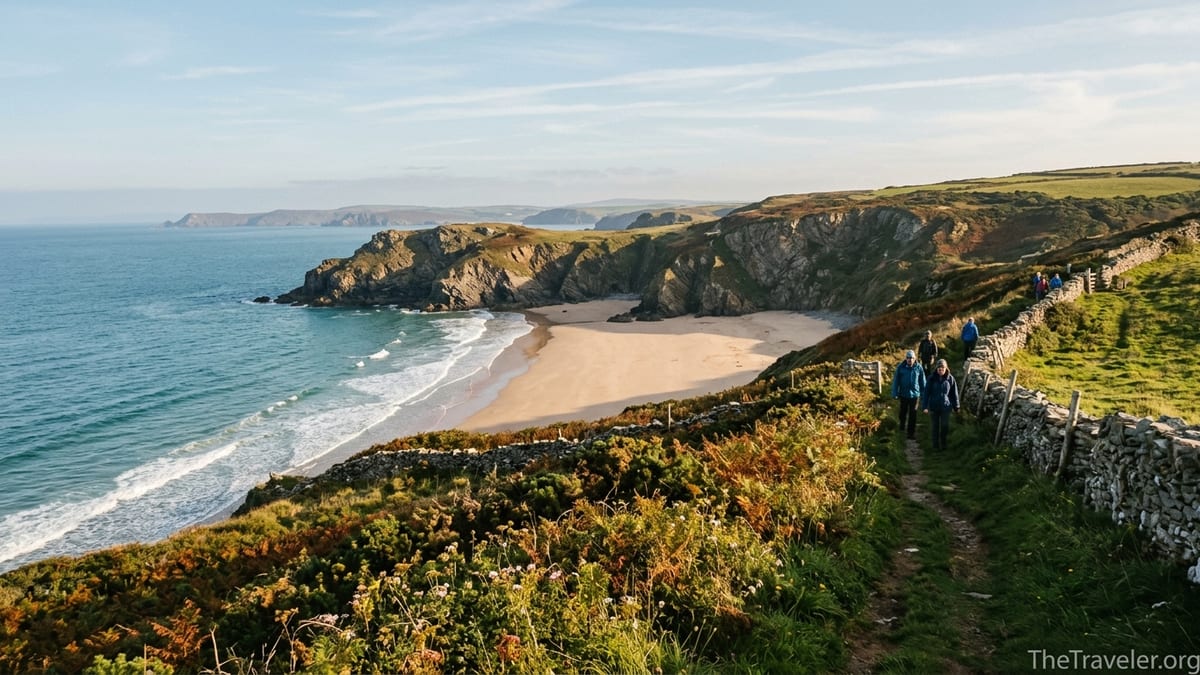
How Welsh seasons shape your trip
Wales has a temperate maritime climate, with relatively mild temperatures year round but frequent rain and fast changes in cloud and wind. The wettest and coolest conditions are in the uplands of Eryri (Snowdonia) and the Bannau Brycheiniog (Brecon Beacons), while the sunnier and slightly warmer spots include the south and west coasts around the Gower Peninsula and Pembrokeshire. Coastal resorts such as Tenby in Pembrokeshire are among the sunniest places in the country, which is why they are classic family holiday choices in late spring and summer.
Daylight is a major factor when planning hiking days. Around the June solstice, sunrise in North Wales is shortly after 4:45 am and sunset is close to 10 pm, giving huge windows for long routes like the Snowdon Horseshoe or the Nantlle Ridge. By contrast, in December you might only get around eight hours of usable daylight, which restricts big mountain ambitions but can work well for short coastal or waterfall walks near towns.
Rain is spread through the year, but winter months typically bring more rainy days and stronger winds, especially in the mountains. Summer is not “dry season” in the way Mediterranean destinations are, though the number of rainy days generally drops between June and August. This means even in high summer it is sensible to pack a good waterproof jacket, quick drying layers and proper footwear whether you are on the Pembrokeshire Coast Path or heading up Cadair Idris.
Crowds and prices follow a very clear pattern. The absolute peak is usually from late July through the end of August, covering English and Welsh school holidays and major events such as the National Eisteddfod and the Green Man Festival. Shoulder seasons in May, June, September and early October often offer the best compromise of long days, manageable prices and quieter paths, particularly if you can travel midweek.
January & February: Quiet trails, wild seas and winter waterfalls
January and February are the quietest months almost everywhere in Wales. In the mountains, average daytime temperatures hover in single digits Celsius, with frequent rain, sleet and occasional snowfall on higher peaks. Trails such as the popular Llanberis Path on Yr Wyddfa (Snowdon) can be icy, and higher routes on the Glyderau or Tryfan demand winter equipment and experience. For most casual visitors, this is not the ideal time for big summit days, but valley walks around places like Beddgelert or Betws y Coed can still be rewarding on clear, cold days.
For beachgoers, winter in Wales is about drama rather than sunbathing. Stormy swells pound the beaches at Rhossili on the Gower and Freshwater West in Pembrokeshire. Surfers with good wetsuits often rate these months, but families will find the wind and temperatures challenging for long stays on the sand. The upside is that coastal car parks which are rammed in August are near empty, and accommodation rates in towns such as Tenby, Llandudno or Aberystwyth can be significantly lower compared with school holidays, especially for midweek stays.
Waterfalls are at their most powerful in winter. The famous “Four Waterfalls Walk” near Ystradfellte in the southern Bannau Brycheiniog, and Aber Falls near Abergwyngregyn in North Wales, often thunder after prolonged rain, creating spectacular scenes for photographers. Paths can be muddy and slippery, so waterproof boots and trekking poles are useful, but you will share the viewpoints with only a handful of locals instead of summer crowds.
On the crowd front, many smaller guesthouses and some rural campsites close or renovate during January and February, but you will typically find excellent off season deals on larger hotels in hubs like Cardiff, Swansea and Llandudno. It is a good time for budget conscious travellers who are happy to focus on short hikes, coastal drives and cosy pubs with log fires rather than big outdoor itineraries.
March & April: Early wildflowers and changeable hiking conditions
March is when Wales starts to shrug off winter, though conditions can swing wildly. You might find snow lingering on north facing slopes in Eryri while daffodils appear in the castle grounds at Conwy or Caernarfon. Average temperatures edge up into the low teens Celsius in the lowlands, but strong showers and gusty winds are common. Hikers often use March for lower level routes such as the Mawddach Trail near Dolgellau or sections of the Wales Coast Path between Mumbles and Caswell Bay on the Gower.
By April, daylight is increasing rapidly and lambing season is underway in many rural valleys. Hillsides in places like the Conwy Valley and the Brecon Beacons foothills become a patchwork of fresh green fields. Some higher routes become more accessible on dry weeks, though you still need warm layers, waterproofs and a flexible plan. The popular circular hike around Llyn Idwal in the Ogwen Valley, for example, can feel like a summer day one weekend and a winter hike the next, depending on cloud and wind.
Beaches begin to feel more inviting in late April, especially on sheltered south facing bays. On sunny days you might comfortably spend a few hours exploring the rock pools of Barafundle Bay or the sweeping sands of Oxwich without the summer crush. However, sea temperatures remain cold and most casual swimmers will prefer a quick paddle to a long dip. Lifeguard services typically ramp up closer to late spring and early summer, so check locally if you plan to swim or surf.
Crowds and prices in March and April are modest, apart from the Easter school holidays when popular villages like Betws y Coed and St Davids can feel unexpectedly busy. Outside those peak weeks, you will often find good value B&B rooms under prices commonly seen in July and August, and it is easier to secure last minute bookings for small inns on the Llŷn Peninsula or in coastal villages near Cardigan.
May & June: The sweet spot for hikers and coastal walkers
For many hikers, May and June are the stand out months to visit Wales. Weather statistics show fewer rainy days than in winter and early spring and mild temperatures that are ideal for sustained effort on the hills. In North Wales, routes like the Snowdon Horseshoe, the Glyderau from Ogwen and the ridge of Cadair Idris above Dolgellau often come into their best condition, with clear paths free of snow and long daylight hours that allow you to start late and still finish in daylight.
On the coast, May and June offer a superb compromise of quiet and comfort. The Pembrokeshire Coast Path between St Davids and Solva, or between Broad Haven and Marloes, showcases carpets of sea thrift and bluebells along the cliffs. In South Wales, the Gower beaches such as Three Cliffs Bay and Rhossili feel far less crowded than in August, yet you can often sit on the sand in a light jacket, enjoy a picnic and watch surfers while avoiding queues at the small car parks that fill early in summer.
Festivals start to appear on the calendar around this time. Late May often coincides with the Hay Festival of literature just beyond the Welsh border, which has a big knock on effect on accommodation prices in the northern Brecon Beacons and around Hay on Wye. In early May, multi venue music event FOCUS Wales in Wrexham adds a buzz to North East Wales and can make city center rooms more expensive for a few nights. In June, boutique festivals such as Gottwood on Anglesey or smaller food and walking events in Snowdonia and Mid Wales help fill up campsites and glamping sites nearby.
Prices climb compared with March, but they are generally lower than peak summer, especially midweek. In early June you might secure a room in a mid range Pembrokeshire guesthouse for a rate that would be considerably higher during school holidays. Families tied to term times often target the late May half term, so if you want lower crowds, aim for the first half of May or the first two weeks of June and avoid UK bank holiday weekends when beaches and national park car parks get noticeably busier.
July & August: Peak beaches, long days and big festivals
July and August deliver Wales at its warmest and liveliest. Daytime temperatures in coastal areas often reach the high teens or low twenties Celsius, and even upland areas can feel pleasantly warm on calm days. This is the best time for full on beach holidays, especially for families who want lifeguarded beaches, open beach cafes and reliable bus services connecting resorts along the Ceredigion and North Wales coasts. Tenby, Saundersfoot, Abersoch, Barmouth and Llandudno all see their busiest weeks at this time.
Hikers enjoy maximum daylight, but popular mountain routes are crowded. On clear Saturdays in August it is not unusual to see steady lines of walkers on the main Snowdon paths, the Miners and Pyg tracks from Pen y Pass, or the Pen y Fan routes in the central Brecon Beacons. Car parks at Pen y Pass, Pont ar Daf and popular Gower beaches can fill before mid morning, so early starts or use of park and ride buses are essential if you want to avoid frustration. Wild camping regulations are strict in Wales, so many visitors rely on formal campsites which should be booked well in advance for late July and August weekends.
Festival season is in full swing. The National Eisteddfod, Wales’s largest cultural festival, usually runs for a week in early August and rotates between locations in North and South Wales, which can temporarily push up demand for accommodation within an hour’s drive. The Green Man Festival in the Brecon Beacons each August draws tens of thousands of people to fields near Crickhowell, filling local B&Bs and holiday cottages across the Usk Valley. Around Swansea Bay, the Wales Airshow weekend in July brings extra visitors and busy seafronts.
Prices reflect this intense demand. Seafront guesthouses in Tenby or Llandudno can be significantly more expensive in the first half of August compared with late September, and minimum stay requirements are common. If you want to enjoy the summer atmosphere but keep costs under control, consider two strategies: base yourself slightly inland, perhaps in market towns like Carmarthen or Dolgellau, and drive to beaches and mountains; or target the first week of July and the last week of August, which are often a shade quieter and better value than the absolute core school holiday weeks.
September & October: Golden light, quieter trails and good value
As school holidays end in early September, Wales slips into one of its best seasons for hikers and crowd averse travellers. Early September often feels like an extension of summer, especially on the south and west coasts, with comfortable temperatures and sea water that is as warm as it gets all year. Beaches at Newgale, Whitesands Bay, Caswell and Manorbier are noticeably quieter, and you may find ample space on the sand even on sunny weekends.
In the mountains, many experienced walkers consider late September and October prime months. The air tends to be clearer after the heat haze of summer, giving crisp views from summits like Tryfan, Crib Goch and the Rhinogs. Autumn colours develop first in the higher valleys of Eryri and the Brecon Beacons, then in wooded river gorges like Pontneddfechan’s waterfalls area. Daylight hours do shorten, but you still have enough time in late September for full day routes without needing headtorches, assuming reasonable pace and start times.
Waterfalls and rivers can be especially photogenic in autumn, as occasional heavy showers are balanced by calmer spells. The famous “Waterfall Country” south of the Brecon Beacons, including Sgwd yr Eira where you can walk behind the curtain of water, tends to see a second busy spell of photographers and walkers on September and October weekends. However, overall visitor numbers are generally lower than in July and August, and midweek you may have sections of the trails almost to yourself.
Prices for accommodation begin to soften. In coastal hotspots, many guesthouses shift from strict week long bookings to more flexible short breaks, and nightly rates can drop compared with high summer. Autumn festivals, such as food and drink events in Abergavenny or Conwy, can cause brief spikes in demand, but they are usually limited to specific weekends. For a North Wales hiking trip with lower crowds, aim for mid to late September and avoid the weekends of any major regional events you identify when planning.
November & December: Short days, cosy bases and atmospheric coastlines
By November, Wales has largely moved back into low season. Daytime temperatures cool into single digits, rain becomes more frequent again and daylight shrinks. For serious hikers, short days limit long mountain routes, though crisp high pressure days can bring beautiful winter light across ridges like the Black Mountains in the eastern Brecon Beacons. For most visitors, this is a time to focus on shorter walks from a comfortable base, combining a few hours on the trails with long evenings in pubs and restaurants.
Beaches and clifftops in November and December are quiet and often dramatic. Walking the Wales Coast Path near places such as Porthcawl, Aberystwyth or Anglesey’s South Stack lighthouse on a blustery day can be exhilarating, with big Atlantic waves and seabirds riding the wind. You will need good waterproofs, hats and gloves, and it is wise to keep an eye on local forecasts and any coastal flood or high wind warnings.
Waterfalls often return to near winter strength, making November a strong option for photographers who missed the early year spate conditions. Trails can be muddy, and in gorge areas like those near Pontneddfechan or the wooded valleys near Betws y Coed you should expect slippery rocks and roots. Some rural cafes and attractions move to reduced hours or close midweek altogether, so always check opening times if you are relying on specific services.
On the positive side, prices are among the lowest of the year outside the Christmas and New Year period. Historic towns such as Conwy, Caernarfon and Tenby decorate their streets and castles with festive lights, and Christmas markets in cities like Cardiff and Swansea add a different kind of attraction for visitors. If you are less concerned with long hikes and more interested in ambience and value, late November or the first half of December can be a rewarding and affordable time to see Wales.
North vs South Wales: choosing your base by season
North Wales is dominated by Eryri National Park and its surrounding coastlines. It is the best choice for travellers whose priority is mountain hiking: classic ridges like Crib Goch, Tryfan and the Carneddau all sit within easy driving distance of bases such as Llanberis, Betws y Coed and Capel Curig. Snowdonia’s higher rainfall and exposure mean conditions can be harsh in winter, but late spring and early autumn are superb for long routes and photography. The North Wales coast, including resorts like Llandudno and Colwyn Bay and the Llŷn Peninsula, provides a mix of sandy beaches and headlands that work in almost any season.
South Wales offers a more varied mix of city culture, rolling hills and coast. The Bannau Brycheiniog to the north of Cardiff and Swansea give quick access to mountain and waterfall walks, such as Pen y Fan, the Central Beacons and Waterfall Country. The Gower Peninsula, just west of Swansea, has some of the best beaches in the UK, including Rhossili, Three Cliffs Bay and Oxwich. Further west, Pembrokeshire combines pastel harbours like Tenby and Solva with wild cliff scenery around St Davids and Strumble Head, making it ideal for multi day coastal hiking between spring and autumn.
Seasonality affects the two regions in slightly different ways. North Wales mountains can hold snow and ice longer into spring and see sharper cold spells in October and November, while coastal South Wales often remains mild enough for pleasant walking even in winter. However, summer crowds can feel heavier in compact coastal resorts in the south and west, where beaches sit right against village streets, compared with the more spread out valleys and car parks in parts of Snowdonia.
If your focus is hiking, consider North Wales in May, June or late September, and South Wales for coastal routes in April, May, September and October. For beach centred trips, target Pembrokeshire, the Gower or the Llŷn Peninsula from late June to early September, with a preference for June or early July if you want warm sand without peak August crowds.
Trip planning tips for lower crowds and better value
Whatever month you choose, there are ways to nudge your trip toward quieter trails and better prices. Travelling midweek rather than over a Friday to Sunday block has a big impact, particularly in school holidays. For example, a guesthouse in St Davids or Beddgelert might charge noticeably higher weekend rates in August but offer more competitive prices from Monday to Thursday, along with greater room availability.
Another strategy is to base yourself slightly away from the biggest name locations. In North Wales, staying in villages like Llanrwst, Harlech or Bala instead of Betws y Coed or Llanberis can reduce costs while keeping you within a 30 to 40 minute drive of major trailheads and beaches. In South Wales, towns such as Narberth, Haverfordwest or Carmarthen can serve as practical hubs for exploring Pembrokeshire and the Gower, spreading your driving but avoiding the highest nightly prices in Tenby or Mumbles.
For hikers, timing your days within each season matters as much as choosing the right month. Start earlier in the morning during peak summer to beat both heat and crowds on popular ascents, or aim for less obvious routes such as the quieter southern paths up Pen y Fan, the Nantlle Ridge instead of Crib Goch, or lesser known stretches of the Pembrokeshire Coast Path around Moylegrove or Pwllgwaelod. In shoulder seasons, plan some lower level backup walks in case wind or cloud make ridges unsafe or unrewarding.
Finally, always check local event calendars when booking. A seemingly random weekend in early August might coincide with the National Eisteddfod within driving distance, an agricultural show in Mid Wales or a triathlon that closes roads around a particular lake. These can add colour to your stay, but they also tighten parking and room availability. A quick check of regional tourism and festival listings before finalising dates can save money and frustration.
The Takeaway
There is no single “best” time to visit Wales, but there is almost certainly a best time for the kind of trip you want. If hiking is your priority and you can be flexible, late April through June and mid September through mid October usually deliver the most reliable mix of daylight, manageable weather and moderate crowds in both North and South Wales. Beach lovers who need school holiday dates will find July and August ideal for warm sand and lifeguarded shores, but should book early and brace for higher prices and busier paths.
For travellers most interested in waterfalls, wild coastlines and value for money, the quieter edges of the year from November to March can be surprisingly rewarding, provided you pack serious waterproofs and keep hiking ambitions realistic. North Wales leans towards mountain adventures and rugged scenery, while South Wales offers softer hills, cities, and some of the finest beaches in Britain. With a clear sense of what matters most to you and an eye on the seasonal rhythms of weather, festivals and school holidays, you can match your ideal Welsh landscape to the right month and enjoy the country at its best.
FAQ
Q1. What is the best month to visit Wales overall?
For a balance of hiking, coast walks, reasonable prices and moderate crowds, May or mid September are often the strongest choices for most travellers.
Q2. When is the best time to hike Snowdon and other big North Wales peaks?
Late May, June and late September usually offer good daylight and more stable conditions, but you should always check mountain forecasts and be ready for sudden changes.
Q3. Which months are best for beach holidays in Wales?
Late June through early September is the main beach season, with July and August offering the warmest air and fully open facilities but also the biggest crowds.
Q4. When can I see Welsh waterfalls at their most impressive?
Waterfalls are typically most powerful from November to March after sustained rain, though autumn and early spring can provide a good mix of flow and safe trail conditions.
Q5. How do school holidays affect crowds and prices in Wales?
Late July and August, plus Easter and late May half term, bring the highest demand, with busier paths, fuller car parks and higher accommodation prices in popular areas.
Q6. Is winter a bad time to visit Wales for hiking?
Winter is challenging for high mountains due to short days and potential snow or ice, but it can be excellent for low level valley walks, coast paths and waterfall routes with proper gear.
Q7. Should I choose North or South Wales for a first hiking trip?
Choose North Wales for classic mountain routes around Eryri and coastal headlands, and South Wales for a mix of hills, waterfalls and renowned beaches like those on the Gower and in Pembrokeshire.
Q8. How far in advance should I book summer accommodation in Wales?
For July and August, especially in hotspots such as Tenby, St Davids, Betws y Coed and Llanberis, booking several months ahead is advisable, particularly for weekends and school holidays.
Q9. Are there good months to visit Wales for festivals and hiking together?
May, June and August often combine major cultural and music festivals with workable hiking conditions, though you will need to plan around specific event dates to manage crowds and prices.
Q10. What is a good time to visit Wales for lower crowds but still enjoy the coast?
Late April, early June and September are ideal for quieter beaches and coast paths, with milder temperatures and far fewer visitors than in the core summer holiday weeks.