


Wales combines rugged coastline, storybook castles and walkable cities, but it is the practical question that often decides a trip: how much will it actually cost per day. Prices have shifted in recent years, especially for accommodation and fuel, so using up to date figures matters if you want a realistic budget. This guide uses current examples from across Wales to show what you can expect to pay for hotels, cottages, restaurants, trains, rental cars, fuel, castle admission and guided tours, with sample daily budgets for budget, mid range and higher end trips.
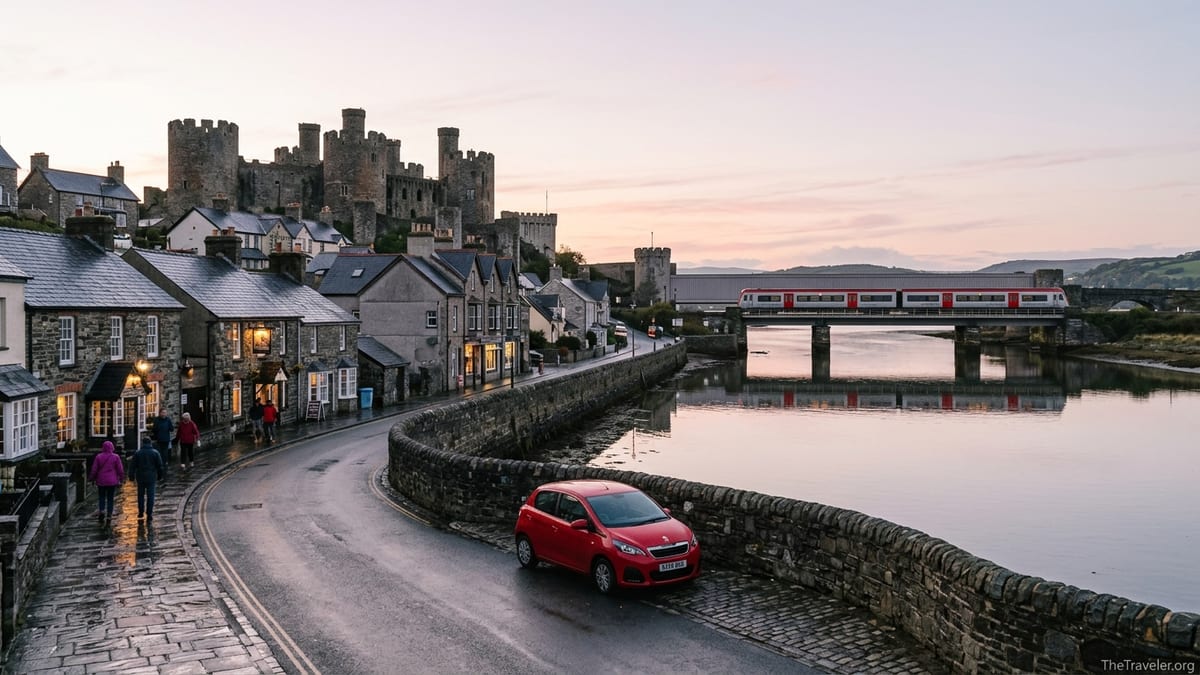
How Much Does a Trip to Wales Cost in 2026
For most travelers in 2026, a comfortable rule of thumb for Wales is around 90 to 140 pounds per person per day if you share a room, excluding flights. Shoestring backpackers using hostel dorms and self catering can push that down to roughly 55 to 75 pounds. Travelers who prefer boutique hotels, frequent restaurant meals and some private tours are more likely to sit between 160 and 250 pounds per person per day.
Prices vary by region and season. Cardiff, Conwy and popular Snowdonia hubs such as Betws y Coed or Beddgelert see higher rates in summer and on holiday weekends. Coastal towns on the Gower Peninsula and Pembrokeshire can be noticeably cheaper in March or November than in August. As a simple benchmark, a mid range city hotel room in Cardiff for two people typically runs around 110 to 150 pounds per night in spring and autumn, while a similar standard in a smaller town might be 90 to 120 pounds.
Transport choices also have a clear impact on your budget. Relying on trains and buses is usually cheaper for solo travelers and couples, especially on linear routes like Cardiff to Swansea to Tenby to Pembroke or Cardiff to Shrewsbury to Conwy. Once you add two or three people and plan to explore rural areas, a rental car quickly becomes cost competitive despite relatively high fuel prices.
This guide assumes prices that British travelers are seeing on the ground in 2025 and early 2026, using a mix of official sources and real booking examples. Individual deals fluctuate, but these ranges will help you avoid big surprises and build a realistic day by day plan.
Hotels, Cottages and Other Accommodation Costs
Accommodation will absorb a large share of your Wales budget. In Cardiff, short notice searches for central three star or four star chain hotels, such as properties near Cardiff Central station or by the Principality Stadium, commonly show midweek rates around 110 to 150 pounds for a double room outside major events. During concerts or rugby internationals, those same rooms can jump above 200 pounds, so checking the events calendar before fixing dates can save a lot of money.
In North Wales, where many visitors base themselves to see Snowdonia and the castles, coastal towns like Llandudno and Conwy have a broad mix of family run guesthouses and small hotels. It is normal to find en suite doubles in a traditional Victorian guesthouse in Llandudno in the 90 to 130 pound range in shoulder season, including cooked breakfast. In smaller inland villages such as Betws y Coed, pretty riverside hotels or inns may run from about 110 to 160 pounds per night depending on the level of comfort and the time of year.
Self catering cottages are popular and often economical, especially for families. On major cottage platforms, it is common to see simple two bedroom cottages in West Wales, for example near St Davids or on the Ceredigion coast, starting around 80 to 110 pounds per night in low season and 130 to 180 pounds in summer. A smart stone cottage sleeping four near Harlech or Barmouth might list for 150 to 220 pounds in July and August, with weekly rates sometimes shaving a small discount off the nightly price.
At the lower end, hostel dorm beds still exist in key spots like Cardiff, Swansea, Snowdonia and the Brecon Beacons. Expect many to charge roughly 25 to 40 pounds per night for a bunk in a shared dorm, with private rooms in basic hostels or budget hotels usually in the 60 to 90 pound range. Campsites are widespread, and a simple pitch for a tent or small camper van typically sits between 20 and 35 pounds per night for two people, rising during big events or on prime coastal sites.
Getting Around: Trains, Buses, Rental Cars and Fuel
Transport for Wales operates most train services, and advance purchase can produce decent savings compared with walk up fares. On a typical day, advance singles for the roughly three hour journey from Cardiff to Bangor, gateway to Anglesey and Snowdonia, can appear in the 25 to 45 pound range if booked early, while buying close to departure often costs more. Shorter hops, such as Cardiff to Swansea, are usually around 8 to 15 pounds each way depending on time of day and how far ahead you buy.
Regional buses remain important, especially in rural areas and national parks. Between coastal towns in Pembrokeshire or on key routes in Snowdonia, day tickets on local bus networks often cost somewhere between 6 and 10 pounds per adult, giving unlimited travel on participating services for the day. They are slower than trains but can reach places like small coves, village pubs and trailheads that rail lines miss entirely.
Car rental prices in Wales move with demand. In practical terms, a compact manual car collected in Cardiff, Swansea or Bangor might run about 35 to 55 pounds per day in spring or autumn, with automatic transmission or larger vehicles pushing total daily costs into the 60 to 90 pound range. Many rental companies require a three day minimum and add charges for one way drops, additional drivers and young drivers, so it pays to read the full breakdown. Excess insurance is another potential cost that can add roughly 10 to 20 pounds per day if purchased from the rental desk.
Fuel is where road trips can feel expensive. Recent pump prices in Wales have often hovered around the equivalent of roughly 1.40 to 1.60 pounds per litre of petrol or diesel, though they shift with global markets and local competition. A modest rental car might average about 45 miles per gallon on mixed roads. On a one week loop from Cardiff through the Brecon Beacons, Pembrokeshire, the Cambrian Mountains and up to Conwy, covering say 650 to 750 miles, you could easily spend 130 to 170 pounds on fuel alone. Tolls are not a major factor inside Wales itself, but paid parking in cities and at popular beaches, usually 3 to 8 pounds per session, should be built into the budget.
Food and Drink: From Pub Meals to Tasting Menus
One of the easier parts of budgeting Wales is food. Everyday options are broadly in line with wider UK prices, and it is straightforward to mix cheaper supermarket and takeaway meals with a few special nights out. A typical independent cafe in Cardiff or Swansea might charge about 8 to 11 pounds for a cooked breakfast plate, while takeaway sandwiches or pies from a bakery such as Greggs usually come in under 5 pounds. A coffee shop chain latte tends to hover around 3 to 4 pounds depending on size.
For lunch or dinner, pub meals are the workhorse option. In a standard Welsh pub in towns like Tenby, Conwy or Brecon, main courses such as steak and ale pie, fish and chips or a vegetarian curry often run around 12 to 18 pounds. Add a pint of local beer at 4.50 to 6 pounds, or a soft drink at 2.50 to 3 pounds, and an informal pub meal can be comfortably under 25 pounds per person. In more remote spots that depend heavily on tourism and have limited competition, like some villages on the Llŷn Peninsula or in Snowdonia, prices can trend toward the upper end of that range.
Mid range restaurants in cities and popular resorts usually price main dishes from around 16 to 24 pounds, with starters and desserts adding roughly 6 to 9 pounds each. In Cardiff Bay, for example, it is easy to find contemporary Welsh and British restaurants where three courses with a drink will end up around 35 to 45 pounds per person before tip. At the higher end, fine dining venues in places like Abergavenny, the Wye Valley or North Wales resort towns can set tasting menus at 75 to 120 pounds per person, not including wine pairings.
Budget conscious travelers can keep daily food spend low by booking accommodation with breakfast included, then relying on supermarkets such as Tesco, Sainsbury’s or Aldi for picnic lunches and simple dinners. A basket with bread, cheese, fruit and snacks for a couple rarely exceeds 10 to 15 pounds, and microwave ready meals for self catering cottages usually range from 3 to 6 pounds each. Combining that approach with a pub dinner every second night creates a balanced and affordable routine.
Castles, Attractions and Guided Tours
Wales is famous for its castles, and admission prices have crept upward in recent years but remain manageable if you plan ahead. Cardiff Castle in the capital is one of the flagship sites, and current adult entry is typically in the low to mid teens in pounds, with small discounts for children and concessions and optional extra charges for specialist house tours. Families who want to spend multiple days exploring the grounds sometimes upgrade to an annual pass, paying a supplement on top of their day ticket to return throughout the year.
In North Wales, iconic fortresses like Conwy Castle and Caernarfon Castle are managed by Cadw, the Welsh Government’s heritage service. Recent published examples show adult admission for Conwy Castle at just over 11 pounds, with juniors around 8 pounds and family tickets offering better value for groups. Similar pricing applies at Caernarfon. For travelers visiting several castles in a short period, Cadw’s multi day explorer passes can work out cheaper than separate tickets, especially if you add sites such as Harlech Castle or Beaumaris Castle to your itinerary.
Beyond castles, there are small but cumulative costs for museums, heritage railways and national park activities. Many city museums in Cardiff and Swansea are free, but donation boxes are common. Scenic heritage railways, like the Ffestiniog & Welsh Highland Railway out of Porthmadog or the Brecon Mountain Railway in the south, typically charge in the region of 20 to 35 pounds per adult for a return trip. Boat trips to see wildlife off Pembrokeshire or Anglesey often sit around 35 to 60 pounds per adult depending on length and whether wildlife watching or island landings are included.
Guided small group tours are widely available for travelers who prefer not to drive. Day tours to Snowdonia from Llandudno, Conwy or Bangor, taking in viewpoints, villages and one or two attractions, usually run from about 55 to 90 pounds per person, sometimes including castle admission. From Cardiff, guided day trips to the Brecon Beacons or Wye Valley often fall in a similar range. Private guides cost more, and in popular season it is not unusual to see full day private tours priced at 300 to 500 pounds per vehicle, making sense for small groups who want flexibility.
Sample Daily Budgets: Budget, Mid Range and Higher End
To turn these pieces into workable numbers, it is helpful to look at three sample per person daily budgets for a typical two person trip sharing accommodation. These examples assume you exclude international flights and focus on on the ground costs inside Wales. They will of course vary by exchange rate and season, but they provide solid planning anchors.
A budget traveler staying in hostel dorms or the cheapest guesthouses, self catering most meals and using buses and slower trains could aim for about 60 to 80 pounds per person per day. In practice, that might look like 30 pounds for a dorm bed or 45 pounds each for a very basic twin room, 15 to 20 pounds for simple food from supermarkets with the occasional pub meal, 10 to 20 pounds for buses or off peak train tickets and 10 to 15 pounds for attractions spread over a few days.
Mid range travelers, booking comfortable three star or four star hotels or well rated cottages, eating one sit down restaurant or pub meal per day and mixing trains or car hire with occasional paid tours, are more likely to sit between 120 and 170 pounds per person per day. A realistic breakdown might be 60 to 90 pounds per person for accommodation in a shared double, 30 to 40 pounds for food and drink, 15 to 30 pounds for trains, car fuel and parking, plus 15 to 25 pounds for castles and other paid activities.
Higher end travelers who favor boutique hotels, upgraded car classes, more frequent guided activities and some fine dining experiences will commonly reach 180 to 260 pounds per person per day. In that range, accommodation might be 100 to 140 pounds each in a characterful inn or design hotel, with 60 to 90 pounds for meals, 20 to 40 pounds for transport and 20 to 40 pounds for admissions and tours. Those planning multiple tasting menu dinners or private guiding in national parks should add a cushion above that top figure.
Seasonality, Money Saving Tips and Hidden Costs
When you travel affects Wales costs as much as how you travel. July and August bring school holiday crowds, higher accommodation rates and busy coastal roads. Easter, bank holiday weekends and major Cardiff events have a similar effect. By contrast, visiting in late April, May, September or early October often delivers gentler weather, fewer crowds and noticeably lower room rates, especially in seaside towns like Tenby, New Quay or Aberystwyth.
Winter in Wales is far from a write off, though stormy weather can disrupt hiking plans and some rural attractions close or reduce hours. From November to March, it is common to find steep discounts on city hotels and countryside cottages. A four star hotel in central Cardiff or Swansea that can command 150 pounds in summer might drop toward 90 or even lower on some winter nights, and self catering cottages may offer attractive off season weekly rates. Building flexibility into your dates and checking both weekend and midweek prices can unlock additional savings.
Some of the easiest ways to save money are simple habits. Booking train tickets in advance, especially on longer intercity routes, often lowers the fare significantly compared with buying on the day. Choosing accommodation with breakfast included reduces the need for an extra cafe stop, and self catering at least one meal a day keeps restaurant costs in check. Discount passes for attractions, such as multi castle passes or city sightseeing tickets that bundle transport and entry, can pay for themselves quickly if used intensively over a few days.
Hidden or easily overlooked costs include card transaction fees from your bank, parking charges at beaches and attractions, luggage storage if you arrive before check in, and tips or service charges at restaurants. In Wales, tipping is more restrained than in some countries, but rounding up or adding about 10 percent at sit down restaurants for good service is customary. Factoring in an extra 5 to 10 percent buffer on top of your calculated daily budget helps absorb these small but persistent expenses.
The Takeaway
A trip to Wales can be tailored to a wide range of budgets, from hostel based hiking adventures in Snowdonia to indulgent castle view stays in Conwy or boutique weekends in Cardiff. The key is to align your expectations with current prices. In 2025 and 2026, comfortable mid range trips for two travelers generally fall near 250 to 320 pounds per day in total, rising or falling as you adjust accommodation quality, transport choices and how many restaurants and tours you include.
Castles, coastal walks and friendly pubs remain accessible, and with a clear understanding of what hotels, cottages, trains, car hire, food, fuel and admissions cost in practice, you can build an itinerary that suits both your travel style and your wallet. Whether you plan to ride scenic railways through slate country, road trip between Pembrokeshire beaches, or explore Cardiff’s Victorian arcades and waterfront, a realistic budget will let you enjoy Wales for what it is best at: slow, atmospheric travel and plenty of room to breathe.
FAQ
Q1. How many days do I need in Wales for a first trip and what total budget should I plan?
For a first visit, five to seven days lets you see Cardiff, at least one coastal area and a taste of castle country. For two mid range travelers sharing rooms, a realistic on the ground budget is usually between 1,200 and 2,000 pounds in total, excluding flights, depending on how much you move around and how many paid tours you include.
Q2. Is it cheaper to explore Wales by train or by rental car?
For solo travelers and couples moving mainly between cities and larger towns, trains and buses are usually cheaper, especially with advance purchase tickets. For families or small groups planning to visit rural areas, national parks and scattered beaches, sharing the cost of a rental car and fuel often becomes cost effective despite higher pump prices.
Q3. When is the cheapest time of year to visit Wales?
The lowest overall costs usually appear from November to March, when hotel and cottage rates drop, though the days are shorter and weather is less predictable. A good compromise between price and conditions is often late April to early June or September to early October, when accommodation is typically cheaper than high summer and popular areas are less crowded.
Q4. How much should I budget per day for food in Wales?
Budget travelers relying on supermarket food, takeaway and the occasional pub meal can often stay around 15 to 25 pounds per person per day. Mid range travelers who include at least one sit down restaurant or pub meal daily tend to spend roughly 30 to 45 pounds, while food focused visitors who seek out fine dining or tasting menus will want to allow significantly more on days they book those experiences.
Q5. Are Welsh castles expensive to visit?
Individual castle tickets are not prohibitive but do add up over a week. Many major sites cost around 10 to 13 pounds per adult, with family tickets and concessions lowering the per person rate. Travelers planning to visit several Cadw managed castles in a short period can usually save money by buying a multi day pass rather than separate single entry tickets.
Q6. How much does a typical hotel night in Wales cost?
Budget hotels and simple guesthouses often charge about 60 to 90 pounds for a double room outside of very busy dates. Central three star and four star hotels in cities and resort towns usually sit between 110 and 160 pounds, depending on season and demand. Boutique properties and hotels with standout locations or facilities can run higher, especially at weekends and in peak summer.
Q7. What does car hire and fuel usually cost for a weeklong Wales road trip?
A compact rental car for a week, collected and returned in the same city, might cost in the region of 250 to 400 pounds before extras, depending on time of year and transmission type. Adding fuel for a roughly 700 mile circuit that takes in one or two national parks and coastal regions can add another 130 to 170 pounds, so a couple might realistically spend 380 to 570 pounds in total on car related costs for that week.
Q8. Can I visit Wales on a backpacker budget?
Yes, provided you are willing to compromise on comfort and move a little more slowly. By choosing hostel dorms or the cheapest guesthouses, cooking your own meals, traveling by regional buses and limiting paid attractions, it is possible to travel on roughly 55 to 75 pounds per person per day. You may need to prioritize a few key castles or activities rather than trying to see everything.
Q9. How much cash do I need, and are cards widely accepted?
Contactless cards and mobile payments are widely accepted across Wales in hotels, restaurants, shops and public transport. Some small rural pubs, independent cafes or campsites still prefer cash, especially for small transactions, so carrying around 30 to 60 pounds in notes and coins is useful. Most travelers otherwise rely primarily on cards, adjusting for any foreign transaction fees their bank may charge.
Q10. Do I need to tip in Wales, and should I add that into my budget?
Tipping is more restrained than in many countries but still expected in some situations. Leaving around 10 percent for good service in sit down restaurants is customary if a service charge has not already been added. Rounding up taxi fares and leaving small change in cafes or pubs is appreciated but not obligatory. Adding a small cushion of a few pounds per person per day to your budget will comfortably cover normal tipping.