


Wales rewards visitors who slow down. Craggy Eryri peaks, storybook castles and wild Pembrokeshire coves sit within a small country that is surprisingly easy to explore once you understand your options. This guide compares the main types of tours and independent trips across North Wales, Eryri, the great castles and the Pembrokeshire coast, with real world examples of prices, routes and experiences to help you decide how to see Wales your way.
How Wales Tours Work: Key Regions and Trip Styles
Most visitors interested in North Wales, Eryri and Pembrokeshire are choosing between four broad approaches: day tours from hubs like Cardiff or Llandudno, multi day small group tours from London or Cardiff, private driver guiding, and fully independent travel using trains, buses and a rental car. The right choice depends less on budget alone and more on your confidence with UK driving, your time frame and how deeply you want to get off the main routes.
For example, a typical five day small group tour from London that loops through Eryri, Caernarfon, St Davids and Tenby can start from around 700 to 1,100 pounds per person including mid range hotels and transport, based on recent prices from operators running 16 seat minibuses. By contrast, a self driven week in Wales with a compact hire car, simple guesthouses and fuel might cost a couple closer to 1,000 to 1,400 pounds in total, depending on season and how early you book. Private driver guided trips usually sit at the top end of the price range, but offer the greatest flexibility.
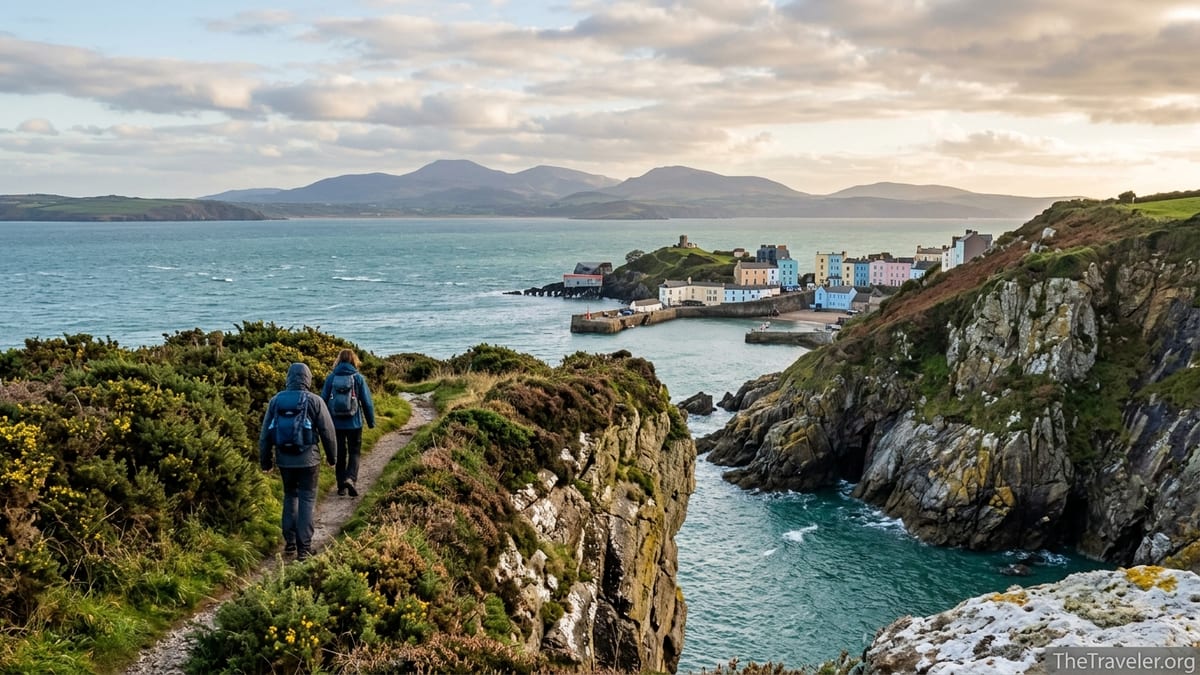
It is also useful to think in regions rather than single “Wales tours.” North Wales and Eryri combine mountains, narrow gauge railways and the strongest concentration of big name castles such as Conwy and Caernarfon. Pembrokeshire on the far west coast feels different again, with pastel harbour towns, offshore islands packed with seabirds, and one of the UK’s finest coastal walking paths. You can cover one region thoroughly in three to four days, or link both on a five to eight day itinerary.
Finally, Wales has a strong domestic tourism industry, which means you will find plenty of coach companies and local guides offering short breaks and day trips aimed at UK travelers. International visitors are welcome on many of these, but information, pacing and accommodation standards can differ slightly from small group “discovery” tours marketed in North America or Australia. Reading recent reviews and checking group size and included activities is essential before you commit.
North Wales and Eryri: Comparing Guided and Independent Options
North Wales is the easiest place to sample the “classic” image of Wales: a base in a seaside town like Llandudno, Conwy’s town walls, Eryri’s peaks and steam railways, and a choice of huge medieval castles. Many visitors do this area on a small group tour from London or independently with a rental car, while some rely on the good rail links to hubs such as Llandudno Junction and Bangor.
Several companies run four or five day small group tours from London that spend two nights around Eryri and North Wales, often including Caernarfon Castle, a scenic drive through passes like Llanberis or Pen y Pass, and time in harbour towns on the Llŷn Peninsula. Prices for these multi day itineraries typically sit in the range of about 700 to 1,100 pounds per person for five days, including transport, guiding and mid range accommodation, but not necessarily all entry fees and meals. These tours work well if you want to avoid driving narrow Welsh lanes, or if you are short on time and happy to let someone else handle logistics.
If you prefer a single day excursion, look for local operators based in Llandudno or Conwy offering full day Eryri circuits. A typical day tour by minibus might cost around 60 to 90 pounds per adult and cover highlights like Llanberis, a short walk near a lake such as Llyn Ogwen, and photo stops below Yr Wyddfa (Snowdon). This is a straightforward way to experience mountain scenery without attempting a summit hike, which can require a full day and good weather even via the famous mountain railway.
Independent travelers often structure three nights in North Wales with a rental car: day one for Conwy and the town walls, day two for Eryri passes and the slate landscapes near Llanberis, and day three for Caernarfon or the Llŷn Peninsula. Driving in this region involves some single track sections and steep, winding roads, but the main routes between Conwy, Betws y Coed, Llanberis and Caernarfon are manageable for most confident drivers. Public transport is possible, especially using the scenic Conwy Valley Line and local buses, but expect slower journeys and less flexibility for short hikes.
Castle Tours: Conwy, Caernarfon and Beyond
Wales has more castles per square mile than almost anywhere in Europe, but most short trips naturally focus on the big Edwardian fortresses of the north coast and a few star sites in the south. Conwy Castle and Caernarfon Castle are widely regarded as two of the most impressive, with huge curtain walls and towers set above estuaries and harbours. Both are managed by Cadw, the Welsh government heritage body, and offer self guided visits with optional guidebooks and occasional guided tours.
On a guided tour, these castles are often combined with historic town walks. For instance, a North Wales day tour might weave together Conwy Castle, a walk on the almost complete circuit of Conwy town walls, and a short visit to Plas Mawr, a restored Elizabethan townhouse. In Caernarfon, guides sometimes connect the castle’s history to more recent events such as the 1969 investiture of the former Prince of Wales, helping you interpret what can otherwise feel like a maze of stone staircases and battlements.
Entry fees to major castles are typically around the price of a casual restaurant meal. Tour operators may or may not include these tickets in the overall cost, so always check the inclusions. If you plan to visit several castles independently, a Cadw explorer-style pass can quickly become good value, especially over a week in North and South Wales. A realistic independent itinerary might see you visiting Conwy, Caernarfon, Harlech and Criccieth over three days while using Eryri and the coast as the landscape backdrop in between.
In South Wales, day trips from Cardiff often combine Cardiff Castle in the city centre with Caerphilly Castle or Castell Coch just outside the capital. These are easy to access with public transport and can be explored self guided, but a local walking tour in Cardiff that includes the castle interiors and Bute Park can add helpful context. For travelers who are deeply interested in medieval and industrial history, specialist operators sometimes offer multi day “castles and heritage” routes that link North and South Wales by coach, but these are usually aimed at group bookings or certain age niches.
Pembrokeshire Coast and Offshore Islands: Tours vs DIY
Pembrokeshire feels more remote than North Wales but is reachable in around two and a half to three hours’ drive from Cardiff. The big decision here is whether to base yourself in one coastal town such as Tenby, St Davids or Pembroke and explore independently, or to rely on organised activities like wildlife boat trips, kayaking sessions or guided coastal walks.
Boat trips are the marquee experience on many Pembrokeshire itineraries. Wildlife cruises around islands such as Ramsey, Skomer and Grassholm, typically in rigid inflatable boats, often cost in the region of 35 to 60 pounds per adult for one to two hours on the water, depending on the exact route and season. Recent schedules show one hour Ramsey Island voyages starting around the mid 30 pound mark and longer Skomer or dolphin spotting trips priced higher, with discounts sometimes available for children. These excursions usually run from small harbours like St Justinians near St Davids or from Neyland and Martin’s Haven further along the coast.
On land, the Pembrokeshire Coast Path offers some of the best coastal walking in Britain, but it is not always a straightforward out and back. Some travelers book luggage transfer services and do multi day hikes between villages, while others use local buses and taxis to stitch together shorter point to point sections. Guided walking days are available, especially in high season, and can be a smart choice if you are new to cliff path hiking or want detailed information on the birdlife and geology.
If you are travelling without a car, a guided tour or structured activity can transform what you see. Basing yourself in Tenby with only trains and local buses can limit you mostly to that town and nearby Saundersfoot. Joining a full day coastal tour or a pre booked boat trip opens up Ramsey or Skomer Island, the wild headlands near St Davids, and quieter beaches such as Barafundle and Freshwater West that are awkward by public transport alone.
For drivers, Pembrokeshire is rewarding but demands patience. Many lanes are narrow and hedged, and summer traffic can be slow. Having a local guide for at least one day can help you learn realistic journey times, parking spots and tide dependent routes to coves and islands, which you can then replicate on your own for the rest of your stay.
Multi Day Wales Tours: London vs Cardiff Starts
Multi day tours that combine North Wales, Eryri, castles and Pembrokeshire are particularly attractive to overseas visitors who are starting and ending in London. Several operators offer five day loops from London that travel via the English border, cross into South Wales near Cardiff, continue up through the Brecon Beacons and Mid Wales, then finish in North Wales before returning to London. A handful also allow you to start in London and leave the tour in Cardiff or vice versa, which can be a neat way to add Wales to a broader UK rail itinerary.
As a rough guide, five day small group tours of Wales from London often cost around 900 to 1,200 US dollars or the sterling equivalent, depending on season, room type and inclusions. These tours typically include transport by 16 seat minibus, a driver guide, four nights’ accommodation and some breakfasts. Entrance fees to attractions, lunches and dinners are often extra. Itineraries usually promise at least one castle visit in the north, one or two scenic drives through Eryri, and one or two coastal stops in places such as Tenby, St Davids or the Gower Peninsula.
If you are already in Wales, starting from Cardiff can save travel time and sometimes money. You might find three or four day tours that focus on South and West Wales only, or North Wales short breaks that depart from regional cities such as Chester or Manchester rather than London. For example, a five day coach holiday based in a North Wales seaside resort might be advertised to UK residents for around 400 to 500 pounds per person including half board accommodation, but with less in depth guiding and more free time than international small group itineraries.
The trade off with any multi day tour is flexibility versus convenience. You will see a lot of landscapes in a short period, but stop lengths are limited. If you know you want a full day for a long ridge hike in Eryri or several hours on a boat around Skomer, consider adding independent days before or after the tour, or choosing a slower paced specialist itinerary that focuses on one region such as North Wales only.
Private Drivers and Independent Travel: When a Guide Is Worth It
Hiring a private driver guide in Wales can seem expensive at first glance, but for certain travelers it represents good value. Family groups with limited mobility, photographers chasing specific light in Eryri, or visitors with only two or three days who want to cover a lot of ground without stress can all benefit. Daily rates vary widely, but a typical full day with a licensed driver guide and comfortable vehicle often starts somewhere around 350 to 550 pounds for the vehicle, not per person, plus your accommodation and meals.
Consider a couple based in Conwy who want to see both Eryri mountain scenery and a slice of the Llŷn Peninsula in one day without driving. A private guide might collect them at 9 am, loop through Llanberis Pass and Beddgelert, arrange a short steam railway ride or lake walk, and detour to a quiet beach such as Porth Oer before returning by early evening. Trying to do the same route independently with unfamiliar roads and parking rules could easily become stressful in peak season, and public transport would make the loop almost impossible in a single day.
Independent travel remains the most flexible and often the most economical choice for those comfortable behind the wheel and happy to handle their own logistics. Trains connect London and Cardiff in around two hours, while services from London to Bangor or Llandudno Junction for North Wales take roughly three to four hours with one connection. From these gateways, rental cars are available, or you can rely on regional bus networks such as TrawsCymru for longer hops through Mid and West Wales. Journey times can be longer than they appear on a map, so building slack into your itinerary is essential.
A sensible compromise for many is a hybrid approach: travel by rail between major hubs like London, Cardiff and Bangor, then rent a car for three or four days in North Wales or Pembrokeshire only. Add a single guided tour or private driver day at the start of each region to get your bearings and local insight. This keeps costs moderate while still giving you one or two days of expert interpretation and hassle free logistics.
When Booking a Guided Tour Makes the Most Sense
Some parts of Wales can be enjoyed easily without formal tours, such as wandering around Cardiff on foot or strolling Llandudno promenade. In other situations, a guided tour adds clear value. Eryri is a prime example. Weather in the mountains can change quickly, parking at popular trailheads fills early, and summit routes like the Pyg Track or Miners’ Track are more demanding than many first time visitors expect. Booking an experienced mountain guide for a Yr Wyddfa ascent can cost significantly more than a regular sightseeing tour, but it buys safety, route finding and realistic pace setting.
Wildlife boat trips are another area where guided experiences are virtually mandatory. You cannot simply hire your own boat to land on protected islands like Ramsey or Skomer. Licensed operators control access, set group sizes and brief passengers on conservation rules. In peak puffin season from late spring into early summer, seats on the more popular departures often sell out days or weeks ahead, so reserving in advance is sensible, especially if you are building a short Pembrokeshire stay around a specific island visit.
Castle visits sit somewhere in the middle. You can absolutely visit Conwy, Caernarfon or Cardiff Castle independently and have a rewarding time by following information panels and downloadable audio guides. However, if medieval history is a highlight for you, a dedicated castle tour that links several sites in one day can help you see patterns in architecture and politics that are harder to grasp when you see each fortress in isolation. Specialist guides often weave in stories about Welsh princes, English conquest and later romantic restoration that bring the stonework to life.
Finally, guided tours tend to be more valuable when your time is short. If you only have two full days in Wales as a side trip from London, booking one structured day in North Wales or on the Pembrokeshire coast can deliver more scenery and context than trying to coordinate multiple buses and trains on your own. With a week or more, you gain enough time to experiment with independent travel and reserve guided experiences for targeted highlights.
The Takeaway
Planning a Wales trip means balancing freedom with support. North Wales and Eryri are well suited to a mix of independent exploration and short guided tours, especially if you want someone else to handle mountain roads or a summit hike. Pembrokeshire rewards a base and slow coastal days, with wildlife boat trips and occasional guided walks to unlock offshore islands and quieter sections of the coast path. Castles thread through both regions, and you can choose between casual self guided visits and more structured heritage tours.
Multi day small group tours from London or Cardiff make sense if you value simplicity, are nervous about driving, or have limited time and want to see both North and South or West Wales in a single loop. Private drivers and specialist guides are worth the outlay for complex mountain days, family groups and travellers with mobility or time constraints. Confident, budget conscious visitors can do much of Wales independently, using trains and buses between hubs and renting a car in just one or two regions.
Whichever route you choose, aim for at least three nights in one region rather than rushing through the entire country. Wales reveals itself in conversations in pub lounges, on quiet cliff paths and at the top of stone staircases in half ruined towers. A well chosen mix of tours and independent days lets you see the famous highlights while still leaving room for the slow moments that make a trip to Wales feel truly memorable.
FAQ
Q1. Is it better to base in one place in North Wales or move around?
For most visitors, a three or four night base in a town like Conwy, Llandudno or Caernarfon works well, with day trips into Eryri and along the coast. Moving every night can eat into your time and add stress with parking and check in logistics.
Q2. Do I need a car to visit Eryri National Park?
You can reach gateway towns like Betws y Coed and Llanberis by public transport, and some local buses and tours run into the park. However, a car or guided minibus tour gives you far more flexibility for short walks, photo stops and detours to quieter valleys.
Q3. How far in advance should I book Pembrokeshire boat trips?
In peak season from late spring through summer, it is wise to book popular wildlife and island trips at least several days ahead, and earlier if your schedule is tight. Outside school holidays you can sometimes reserve just a day or two before, depending on weather and demand.
Q4. Are Wales multi day tours suitable for children?
Many small group tours accept children over a certain age, but seating, long driving days and limited downtime can be tiring. Families often prefer either a private driver guide for one or two days or a self drive trip, adding specific child friendly activities like short coastal walks, castles with interactive exhibits and boat trips.
Q5. What is a realistic budget for a five day small group tour of Wales from London?
Recent prices suggest a range of roughly 700 to 1,100 pounds per person for a five day small group tour including transport and accommodation but excluding most meals and entry fees. Premium or very small group tours with higher end hotels can cost more.
Q6. Is driving in Wales difficult for visitors used to wide roads?
Main roads between cities and larger towns are straightforward, but rural routes in Eryri and Pembrokeshire often involve narrow, winding lanes with passing places. If that sounds stressful, consider combining trains between hubs with a single guided day tour or a short rental car period.
Q7. Can I visit both North Wales and Pembrokeshire in one short trip?
It is technically possible to visit both regions in five days, especially on a structured tour, but it will feel busy. If you are travelling independently, focusing on just one region for a first visit usually leads to a more relaxed and rewarding experience.
Q8. Are castle tours accessible for travellers with limited mobility?
Many Welsh castles have uneven surfaces, steep steps and limited lifts, but some, such as Caernarfon, have recently improved access to key areas. Check individual sites for updated accessibility information and consider a private guide who can tailor stops and pacing to your needs.
Q9. When is the best time of year to visit Wales for outdoor activities?
Late spring through early autumn offers the most reliable weather for hiking, boat trips and coastal walks, although conditions can still be changeable. Winter visits can be atmospheric and quieter but bring shorter days, cooler temperatures and a higher chance of rain or low cloud.
Q10. Do guided tours in Wales usually include meals?
Most small group and coach tours include breakfast with your accommodation but leave lunches and dinners at your own expense, giving you freedom to choose where and what to eat. Some specialist tours may include selected group dinners or picnics, so always read the detailed inclusions before booking.