


Wales packs an astonishing variety of landscapes and experiences into a relatively small corner of the UK. Within a few hours’ travel you can move from Victorian seaside promenades to wild mountain ridges, from pastel harbour towns to cliff‑backed coves that feel almost Mediterranean on a sunny day. This guide compares Wales’s headline destinations so you can match the right mix of mountains, beaches, castles and scenic towns to your style of travel, whether you are planning a long weekend or a two‑week road trip.
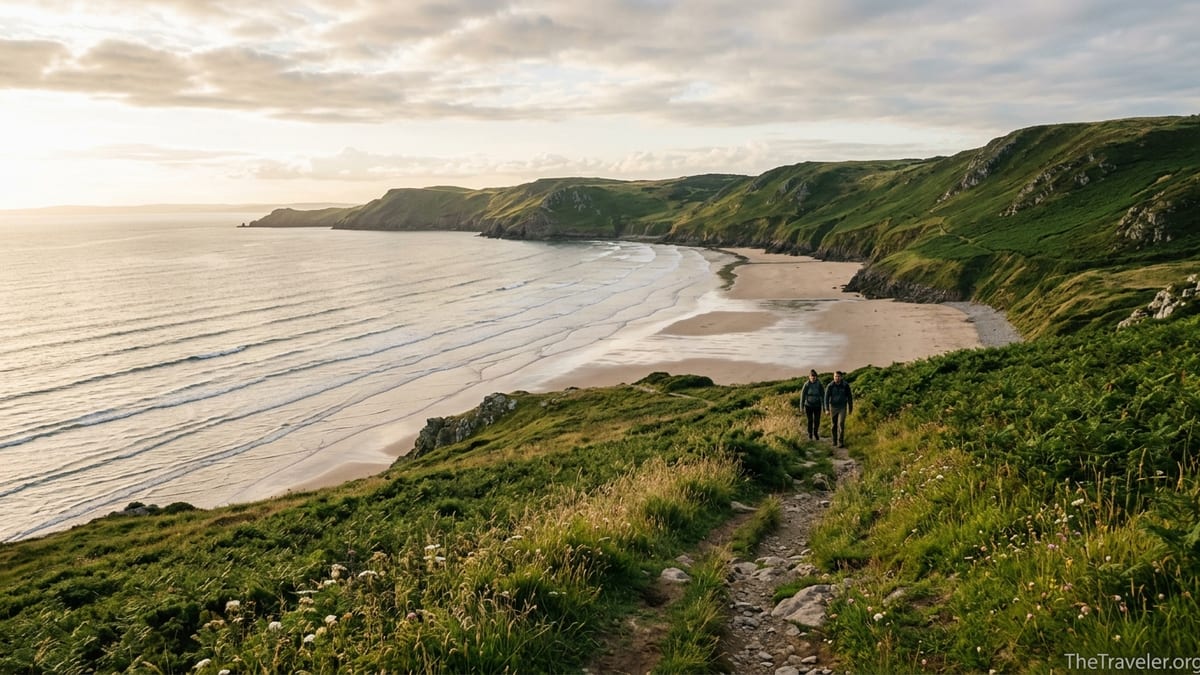
How to Choose Where to Go in Wales
First‑time visitors are often surprised by how varied Wales feels from region to region. South Wales is dominated by the capital, Cardiff, with its nightlife, stadiums and castle, and easy access to the Gower Peninsula and Bannau Brycheiniog National Park. West Wales offers Pembrokeshire’s famous coastal national park and harbour towns like Tenby and St Davids. North Wales is where you find Eryri (Snowdonia) National Park, the castle towns of Conwy and Caernarfon, Anglesey’s beaches and classic resorts such as Llandudno.
Distances look small on the map but roads are often slow and winding, especially in rural areas and national parks. Cardiff to Tenby can take around 2.5 hours by car; Cardiff to Betws‑y‑Coed in Eryri is closer to 4.5 hours. For a one‑week trip you will generally enjoy your time more if you focus either on the south and west (Cardiff, Gower, Bannau Brycheiniog, Pembrokeshire) or on the north (Eryri, Conwy, Llandudno, Anglesey) instead of trying to see the whole country.
Prices across Wales are usually lower than in London, but they vary by season. A central Cardiff hotel might be 140 to 220 pounds per night in summer, dropping outside major events, while simple B&Bs in rural areas can still be found for under 100 pounds per night. Peak times such as school summer holidays and bank‑holiday weekends see accommodation in Tenby, Pembrokeshire and Eryri book out months ahead, so if you are aiming for July or August, advance reservations are essential.
Think about what you want most: mountain hiking, beach days, castles and heritage, family‑friendly attractions, or atmospheric towns and villages. The sections below compare the main destinations through those lenses so you can mix and match: for example, combining two days in Cardiff with hiking in Bannau Brycheiniog, or pairing a week of coastal walking in Pembrokeshire with a night or two in Conwy or Llandudno.
Cardiff: Best for First‑Timers, Culture and Castles with Nightlife
Cardiff works well as an entry point and base, especially if you are arriving by train or flying into Cardiff or Bristol. The compact city centre puts Cardiff Castle, the shopping arcades and the Principality Stadium within a 10‑minute walk of each other. Cardiff Castle combines a Roman fort, medieval keep and Victorian Gothic mansion, and you can take guided tours to see the ornate interiors and climb the Norman keep for views over the city skyline.
Cardiff also offers some of the country’s top museums and family attractions. The National Museum Cardiff showcases Welsh art and natural history, while St Fagans National Museum of History on the city’s edge is an open‑air museum where historic buildings from across Wales have been re‑erected in parkland. Families gravitate to Techniquest science centre on Cardiff Bay and to Cardiff International White Water for rafting and paddleboarding sessions. A typical family ticket for a major attraction here is often in the 30 to 60 pound range, with many museums remaining free to enter.
Down at Cardiff Bay, regenerated docklands have become a waterfront district with the Wales Millennium Centre, the Senedd (Welsh Parliament building) and a mix of restaurants and bars overlooking the water. From here you can take short boat trips around the bay or longer RIB tours that head out towards the Severn Estuary. Evenings are lively but not overwhelming, so Cardiff suits both couples looking for dining and craft beer, and small groups wanting nightlife without London prices.
For scenery and hiking, Cardiff is more a jumping‑off point than a destination in itself. However, you can be in the hills of Bannau Brycheiniog or on Gower’s beaches in roughly 60 to 90 minutes by car, and day tours from the city often include Caerphilly Castle, the Rhondda Valleys or the waterfalls of the southern Brecon Beacons. If you want a city break with easy day trips to mountains and coast, Cardiff is hard to beat.
Eryri (Snowdonia): Best for High Mountains and Classic Hiking
Eryri National Park in North Wales is the country’s mountain heartland, home to Yr Wyddfa (Snowdon), Wales’s highest peak, plus a tangle of rugged ranges and glacial valleys. This is where to go if you imagine sharp ridges, slate quarries turned to lakes, stone villages and long mountain days. Popular bases include Betws‑y‑Coed, Beddgelert and Llanberis, all with outdoor shops, pubs and a range of B&Bs and hostels.
For many visitors, climbing Yr Wyddfa is the main goal. The Llanberis Path offers the most gradual route and is usually recommended for fit first‑timers; most people allow six to seven hours for the round trip, and in summer you will share the trail with plenty of other walkers. More experienced hikers might choose the Pyg Track or Miners’ Track from Pen‑y‑Pass, which involve steeper sections and some easy scrambling near the top. Weather changes quickly here, so even in July it is common to see people with waterproofs and layers at the summit while the valleys sit in warm sunshine below.
Beyond Yr Wyddfa there are many quieter ranges. The Ogwen Valley gives access to the rugged Glyderau and Tryfan, while the Rhinogydd offer remote, pathless walking that appeals to experienced hikers seeking solitude. Families and casual walkers are not left out: short trails around Cwm Idwal or up to viewpoints above Beddgelert deliver mountain drama in under two hours, and heritage railways such as the Ffestiniog and Welsh Highland Railway provide scenic journeys without any effort.
Eryri is less about beaches and more about lakes, rivers and waterfalls, though the coast at Harlech or Criccieth is not far by car. Travellers who value nightlife or shopping may find the evenings quiet, especially outside school holidays. For photographers, climbers and serious walkers, however, this is where Wales is at its most impressive. If your main aim is hiking, plan three to five nights here and pair the trip with nearby Conwy or Anglesey for contrast.
Pembrokeshire & Tenby: Best for Coastal Scenery, Beaches and Multi‑Day Walking
Pembrokeshire in southwest Wales is home to Britain’s only coastal national park, with more than 180 miles of sea cliffs, sandy bays and sea stacks linked by the Pembrokeshire Coast Path. Walk almost any section of this trail and you will pass secluded coves, seabird‑covered islands and occasional remnants of the region’s maritime and industrial past. The path is broken into manageable day sections, from three‑mile family strolls to longer 10‑ to 15‑mile hikes that demand a full day and a packed lunch.
Tenby is the area’s postcard town, a small harbour with medieval walls, pastel‑painted houses and three sandy beaches within walking distance of the centre. On a summer weekend, locals and visitors spread out on Castle Beach and North Beach with windbreaks, fish‑and‑chip suppers and buckets and spades. Boat trips run to nearby Caldey Island, where you can walk quiet clifftop paths and visit the monastery shop that sells chocolate and perfume made by the resident Cistercian monks.
Beyond Tenby, some of Wales’s most photogenic beaches sit at the end of minor lanes: Barafundle Bay, often described as one of the country’s most beautiful beaches, involves a short walk over headlands before you drop to an enclosed crescent of sand; Freshwater West is loved by surfers for its consistent swell and by film fans for its appearance in Harry Potter; Whitesands Bay near St Davids offers surf schools and a lifeguarded beach ideal for families. Many beaches here hold Blue Flag or similar awards, and in summer lifeguards are present on the main strands, though you should always check local signage when you arrive.
For walkers, a classic day might start in the tiny harbour of Porthgain, follow the clifftops past Traeth Llyfn and Abereiddy, then loop back inland. Transport logistics are eased by seasonal coastal bus services that allow one‑way walks without needing a second car. Accommodation ranges from campsites with sea views to boutique guesthouses in St Davids, Britain’s smallest city. Pembrokeshire suits active couples, families with school‑age children who enjoy outdoor time, and long‑distance hikers keen on a multi‑day coastal trail that balances physical effort with regular access to small towns and pubs.
Bannau Brycheiniog (Brecon Beacons) & Gower Peninsula: Best Twin Center for South Wales Mountains and Beaches
South of mid‑Wales, Bannau Brycheiniog National Park offers rounded peaks, upland moor and a landscape of reservoirs and waterfalls that contrasts with the sharp ridges of Eryri. The central Brecon Beacons range, including Pen y Fan, is the most popular part for walking, with broad paths to summits that give extensive views on a clear day. Many first‑timers tackle Pen y Fan from the Pont ar Daf car park, taking two to three hours for a straightforward out‑and‑back hike that is steep in places but manageable for reasonably fit beginners in good conditions.
The park’s southern edge is known informally as Waterfall Country, where rivers like the Mellte and Hepste carve steep, wooded gorges. Well‑managed car parks such as Cwm Porth and Gwaun Hepste provide starting points for waymarked walks to cascades where in some places the path even passes behind the curtain of water. Elsewhere in the park, Henrhyd Falls drops into a wooded valley managed by the National Trust, and shorter waymarked trails here make it accessible to families. These areas can be busy on summer weekends, and parking charges apply, so arriving early or later in the afternoon helps avoid crowds.
Less than a two‑hour drive southwest of the central Brecon Beacons lies the Gower Peninsula, designated the UK’s first Area of Outstanding Natural Beauty. For beach lovers who prefer somewhere smaller and quieter than Pembrokeshire, Gower is ideal. Rhossili Bay regularly appears in lists of the UK’s best beaches, a huge sweep of sand backed by cliffs and dunes, and at low tide you can walk out towards the rocky promontory of Worm’s Head. Closer to Swansea, beaches like Caswell and Langland combine family‑friendly sands with beach huts, cafes and easy parking, making them good choices for short visits or mixed‑ability groups.
A practical approach for many travellers is to stay two or three nights around Brecon or Crickhowell for mountain hiking and waterfalls, then move on to a base near Mumbles or Rhossili for coastal walking and beach days. This combination suits active couples, groups of friends and families with teenagers. Those who prioritise nightlife will find more going on in Swansea and Cardiff, while travellers seeking dark skies and quiet evenings may prefer small towns like Brecon or villages on Gower where pub gardens overlook the sea.
Conwy, Llandudno & Anglesey: Best for Castles, Seaside Atmosphere and Coastal Drives
North Wales’s coast offers an appealing mix of medieval history and traditional seaside charm. Conwy is a highlight: a walled town wrapped around a tidal estuary, dominated by the towers and battlements of Conwy Castle. You can walk the town walls for views over the harbour and into the nearby hills, then explore narrow streets lined with independent shops and cafes. Conwy is small enough to feel intimate yet busy enough to provide good accommodation and dining options, from simple inns to smart small hotels.
Just along the coast, Llandudno is a classic Victorian resort with a long promenade, wide bay and a pier lined with kiosks selling ice creams and doughnuts. The Great Orme headland rises at the end of the town; a tramway and cable car provide easy access to the summit, where walking trails and sea views reward even the least energetic visitor. Families appreciate the flat seafront and easy beach access, while older travellers value the town’s relaxed atmosphere, tearooms and theatres. In peak summer, deckchairs dot the sand and evening strolls along the promenade are part of the appeal.
Anglesey, reached by bridges over the Menai Strait, feels more rural and spacious. Its coastline is ringed by sections of the Wales Coast Path, which link sandy bays, working harbours and low cliffs. Popular beaches include Rhosneigr for surfing, Red Wharf Bay for its vast low‑tide sands and Newborough, backed by pine forest with views to the mountains of Eryri across the water. Inland, the island is dotted with prehistoric sites and small villages, and driving its quiet lanes gives a sense of stepping away from the mainland’s busier tourist circuit.
For travellers, this north‑coast trio offers flexibility. You might base yourself in Conwy or Llandudno and make day trips to Eryri’s mountains one day and Anglesey’s beaches the next, or split your time between a few nights by the sea and a few inland. Public transport here is more workable than in some rural parts of Wales, thanks to train links along the coast and local buses, though a car still gives more freedom. This region particularly suits visitors keen on castles and heritage, older travellers or families wanting gentle walking, and those looking to combine mountains with classic seaside holiday nostalgia.
Which Welsh Destinations Work Best for Different Traveler Types
Solo travellers often gravitate to areas with a mix of outdoor activities and social opportunities. Eryri and Bannau Brycheiniog are popular with solo hikers who stay in hostels or small guesthouses and spend days on the trails, then swap stories in local pubs at night. Towns like Betws‑y‑Coed, Llanberis, Brecon or Abergavenny provide that balance, with outdoor shops, cafes and occasional festivals or food markets. Solo city explorers will be comfortable in Cardiff, which feels manageable compared to larger capitals and has clear public transport and plenty of cultural events.
Couples looking for romance and scenery might prioritise Pembrokeshire, Gower or Anglesey for sunset walks and quiet beaches, paired with a night or two in Cardiff or Conwy. For example, a one‑week itinerary could start with two nights in Cardiff for museums and dining, followed by four nights near St Davids in Pembrokeshire for coast‑path walks and boat trips, finishing with a final night near Tenby or back in the capital before departure. Boutique B&Bs and small inns along the coast increasingly cater to this market, with local seafood dinners and sea‑view rooms.
Families with younger children tend to do well in Tenby, Llandudno, Gower and Cardiff. These locations offer easy beach access, playgrounds, short walks and attractions like aquariums, castles and science centres that break up the day. A practical pattern is to plan one “headline” activity, such as a castle visit or boat trip, in the morning, then allow free time on the beach or in parks later. Self‑catering cottages or holiday parks can help keep costs down, especially in school holidays when hotel prices rise.
Active groups and experienced hikers will likely focus their time on Eryri, Bannau Brycheiniog and the longer stretches of the Pembrokeshire Coast Path. A car makes it much easier to string together big days in the hills or along the cliffs, and many walkers plan hut‑to‑hut style trips using B&Bs, inns and occasional taxis or baggage transfer services between stages. Travellers primarily interested in nightlife, shopping and sports events will find the best fit in Cardiff and, to a lesser extent, Swansea; for them the mountains and coasts become day‑trip options rather than the main event.
The Takeaway
Wales rewards travellers who slow down and dig into one or two regions rather than racing from castle to mountain to beach in a single long loop. Cardiff offers a user‑friendly introduction to Welsh culture, food and history, while Eryri and Bannau Brycheiniog deliver serious hiking and big‑sky views within a few hours’ drive. Along the coasts, Pembrokeshire, Gower, Anglesey and the north‑coast towns around Conwy and Llandudno each give a different flavour of seaside life, from pastel harbours to wild surf beaches and Victorian promenades.
When choosing where to go, start with your priorities. For mountains first, look to Eryri and Bannau Brycheiniog, adding nearby towns like Conwy or Brecon. For beaches and coastal walking, Pembrokeshire and Gower lead the pack, with Tenby and St Davids among the most atmospheric bases. For castles and history, Conwy, Caernarfon and Cardiff stand out, while Llandudno and Anglesey provide softer adventures and wide coastal views.
Logistics matter as much as inspiration. Build in travel time between regions, book key accommodations early in summer, and be flexible with plans in the face of Welsh weather, which can change quickly in the mountains and on the coast. With a realistic itinerary and a bit of planning, you can stitch together a trip that moves from Cardiff’s castle walls to Pembrokeshire cliffs and on to the peaks of Eryri or the sands of Anglesey, all within a single journey.
Above all, leave space in your schedule. Some of the best Welsh travel moments happen not at the headline sites but when you pause in a village cafe on a rainy day, watch the tide slide out across a wide bay, or find yourself alone on a hilltop with views rolling away in every direction. Choose two or three destinations that match your style, give each a few unhurried days, and let Wales’s mountains, beaches, castles and towns do the rest.
FAQ
Q1. How many days do I need for a first trip to Wales?
For a meaningful first visit, five to seven days works well. That gives time for two nights in Cardiff and three to four nights in either the north (Eryri, Conwy, Llandudno, Anglesey) or the southwest (Pembrokeshire, Tenby, Gower, Bannau Brycheiniog) without constant driving.
Q2. If I love hiking, should I choose Eryri or Bannau Brycheiniog?
Eryri offers higher, rockier mountains and more dramatic ridges, while Bannau Brycheiniog has rounded peaks, easier classic walks like Pen y Fan and famous waterfall valleys. Strong hikers often prefer Eryri; those newer to mountains or travelling with mixed‑ability groups may find Bannau Brycheiniog more forgiving.
Q3. Which area of Wales is best for beaches?
The standout coastal regions are Pembrokeshire, the Gower Peninsula and parts of Anglesey and the Llŷn Peninsula. Pembrokeshire has the greatest concentration and variety, from surf beaches like Freshwater West to sheltered coves such as Barafundle Bay and family‑friendly sands around Tenby and St Davids.
Q4. Is Cardiff a good base for day trips to the countryside?
Yes. From Cardiff you can reach the central Bannau Brycheiniog peaks or Gower’s beaches in about 60 to 90 minutes by car. Day tours also run to Caerphilly Castle, the Rhondda Valleys and selected waterfall walks, so it suits visitors who want a city base with easy access to green landscapes.
Q5. Do I need a car to explore Wales properly?
You can travel between major hubs such as Cardiff, Swansea, Llandudno Junction and Bangor by train, and there are local buses to many towns. However, a car makes reaching rural valleys, small beaches and trailheads far easier, and significantly expands your options in Pembrokeshire, Gower, Bannau Brycheiniog and Eryri.
Q6. When is the best time of year to visit Wales?
Late spring and early autumn, typically May to June and September, offer a good balance of milder weather, longer days and fewer crowds. July and August bring the warmest temperatures and most services but also higher prices and busy beaches, especially in Tenby, Pembrokeshire and on Gower.
Q7. Where should I go in Wales with kids?
Cardiff, Tenby, Llandudno and the Gower Peninsula are particularly family‑friendly, with a mix of safe beaches, short walks and child‑oriented attractions. Cardiff adds museums, a science centre and stadium tours; Tenby and Gower give classic bucket‑and‑spade days and simple coastal adventures.
Q8. What are the must‑see castles in Wales for a short trip?
For a first visit, Cardiff Castle combines easily with time in the capital, while Conwy and Caernarfon Castles in the north are among the finest medieval fortresses in Europe. Travellers in the south might add Caerphilly Castle, and those in Pembrokeshire often visit Pembroke Castle alongside coastal walks.
Q9. How should I split a one‑week Wales itinerary between regions?
A balanced option is two nights in Cardiff, three nights in either Eryri or Bannau Brycheiniog for mountains, and two nights on the coast in Tenby, Pembrokeshire, Gower or Anglesey. If you prefer less moving around, choose just one mountain base and one coastal base and add extra nights in each.
Q10. Is Wales suitable for travellers without strong hiking experience?
Yes. While images often focus on sharp peaks, there are plenty of gentle walks, coastal paths with shorter sections, heritage railways and scenic drives. By choosing easier routes, joining guided walks where needed and checking local advice about weather, visitors without serious hiking backgrounds can still enjoy Wales’s landscapes comfortably.