


Snow-dusted peaks, glassy lochs, roads that curl past stone cottages and grazing sheep, a dram of peaty whisky by a pub fire: Scotland’s Highlands are the postcard image many travelers dream about. Yet once you start planning, the options quickly multiply, from Loch Ness day trips to three-day Isle of Skye circuits, whisky pilgrimages to Speyside or Islay, and week-long small-group itineraries that try to do it all. This guide breaks down the main types of Highland, Skye, Loch Ness and whisky tours on offer in 2026, compares them with independent travel, and helps you decide when it really is worth booking an organized tour.
Highlands in a Nutshell: What You Can Realistically See
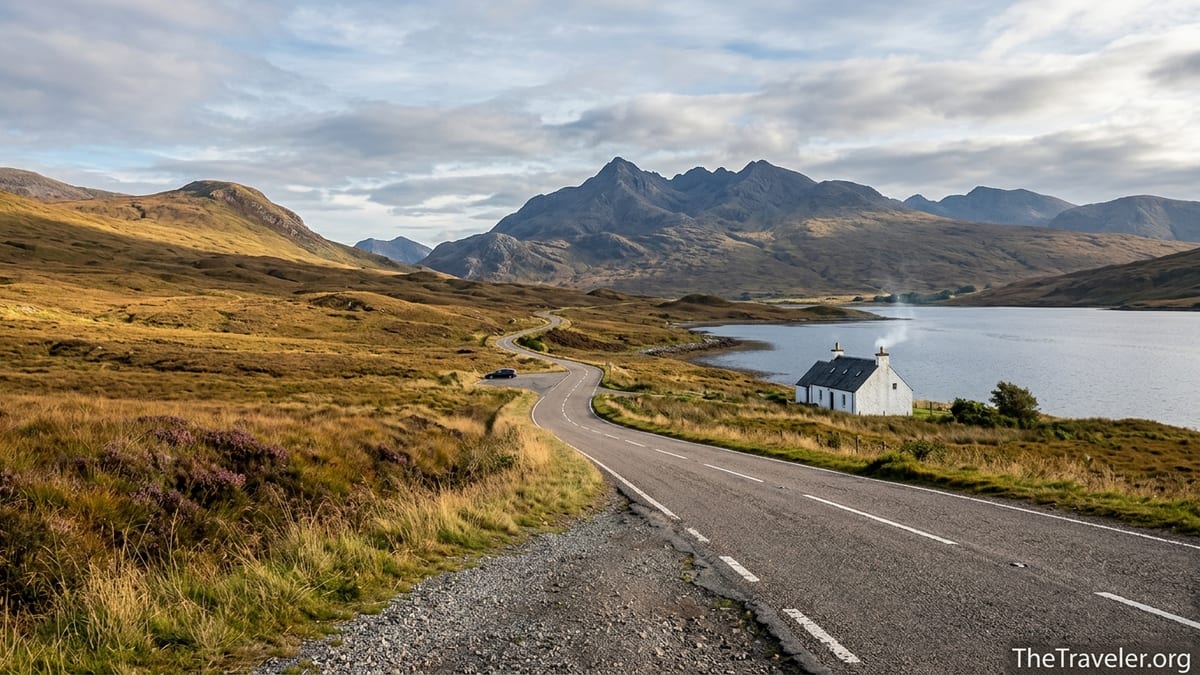
When travelers talk about “the Highlands,” they are usually thinking of a few headline areas: Glencoe’s dramatic valley, the road skirting Ben Nevis near Fort William, the Great Glen leading to Loch Ness, and the wild coastal fringes on the route to the Isle of Skye. From Edinburgh or Glasgow, these regions can be reached on a long day trip, but they are better appreciated over several days when you can actually get out on the trails or linger in small villages like Ballachulish or Inveraray rather than viewing everything from a bus window.
Most first-time visitors base themselves in Edinburgh, then look at Highland day tours that loop through Glencoe and up toward Loch Ness before returning late in the evening. Typical coach or small-group minibus departures leave Edinburgh around 7 am, travel via Stirling and Rannoch Moor, pause for photos at the Three Sisters of Glencoe, continue through the Great Glen to Fort Augustus or another Loch Ness village, then return south via Pitlochry. It is a classic circuit that delivers a sense of the Highland landscape in a single day, but you will spend eight to ten hours on the road with relatively short stops.
If you want slower travel, consider making Inverness your Highland hub for a few nights. From there you can day-trip to Loch Ness and Urquhart Castle, the Black Isle, or nearby whisky distilleries without rushing to get back to the Central Belt. Train services from Edinburgh or Glasgow to Inverness are regular and offer scenic views through the Cairngorms, and once in the Highland capital you can join local day tours in smaller vehicles or hire a car for short drives. This approach often costs a little more overall than a single long day tour, but it gives you far more flexibility with weather, photography, and hiking.
Whatever base you choose, remember that Highland distances are deceptive. A quick look at a map might suggest you can fit Glencoe, Glenfinnan, Skye and Loch Ness into one day, but narrow roads, single-track sections and tour coach traffic in peak months slow everything down. Organized tours work around this with fixed schedules, but if you are driving yourself it is wise to plan short daily routes and accept that you will only see a slice of the Highlands on a typical week-long trip.
Loch Ness Day Trips: When a Tour Makes Sense
Loch Ness day trips from Edinburgh or Glasgow remain one of Scotland’s biggest sellers. In 2026, full-day excursions by reputable operators typically cost in the region of £70 to £120 per adult, depending on group size and whether a boat cruise or castle entry is included. Many itineraries follow a similar pattern: photo stops in the Highlands south of Fort William, a lunch break in Fort Augustus or another village on the loch, an optional cruise on the water, and a quick glimpse of Urquhart Castle from the shoreline or visitor center.
The advantage of these tours is logistical simplicity. You can roll out of an Edinburgh hotel, board a minibus outside a central meeting point, and be in the heart of the Highlands without needing to hire a car or navigate rural roads. Fuel, parking and route planning are handled for you, and commentary from local guides can add context about Jacobite history around Fort William or folklore connected to the Loch Ness Monster. For solo travelers or couples without a car, the price often compares favorably to hiring a vehicle, paying for fuel on a 350 to 400 kilometer round trip, and covering a one-day rental surcharge in peak season.
However, the trade-off is pace and crowds. On a typical twelve-hour Loch Ness tour, you will spend perhaps two to three hours total actually at the loch and its immediate surroundings, the rest in transit with toilet and photo stops. In July and August, several coaches can arrive in the same village within minutes of each other, leading to busy cafes, queues for boat cruises and crowded viewpoints. If your priority is quiet scenery rather than ticking off a famous name, you might prefer an independent drive that spends more time in Glencoe or Glen Shiel, or a smaller local tour from Inverness that focuses on lesser-known lochs and glens.
Booking a Loch Ness excursion is most worthwhile if you have limited time in Scotland, if you are nervous about driving on the left on unfamiliar Highland roads, or if you are traveling in winter when daylight is short and local knowledge of road conditions is valuable. In shoulder seasons like April, May, September and early October, a day tour can still feel relaxed, with thinner crowds, a higher chance of seeing snow on the mountain tops, and greater flexibility for guides to add bonus stops if conditions allow.
Isle of Skye Tours: Day Trips vs 3-Day Adventures
The Isle of Skye has become a must-see destination, with the Old Man of Storr, Quiraing and Fairy Pools regularly appearing on social media feeds. This popularity has shaped how tours operate. From Edinburgh or Glasgow, a true one-day Skye tour is not practical; the island is simply too far for a comfortable there-and-back excursion. Instead, most travelers choose a three-day small-group tour that overnights in or near Portree and includes Highland scenery both coming and going. These tours often cost between roughly £300 and £500 per person in 2026, excluding some meals and optional attractions, with prices rising for single-occupancy rooms or peak summer dates.
A typical three-day Skye circuit starts in Edinburgh, overnighting in the Fort William or Lochaber area the first night, then spends most of the second day exploring Skye, before returning south via Loch Ness and the Cairngorms on day three. Small-group operators using 16-seat minibuses tend to prioritize scenic detours, viewpoint stops and short walks to waterfalls or coastal outlooks. Because accommodation is pre-booked and ferry or bridge timings are built into the schedule, you avoid the common independent traveler headache of finding last-minute rooms in Portree in July or trying to thread a rental car through narrow, congested lanes at the Quiraing car park.
For visitors with more time and budget, private or bespoke Skye tours allow even greater flexibility. A private driver-guide picking up in Inverness or Fort William can tailor two or three days on the island to your interests, perhaps prioritizing photography at sunrise around Elgol, or shorter walks if mobility is a concern. Prices for these private arrangements vary widely but typically start in the low hundreds of pounds per day for the vehicle and guide, rising significantly for premium vehicles, longer routes or luxury accommodation. For families or small groups of friends traveling together, the per-person cost can be similar to, or only slightly higher than, joining a scheduled small-group departure, with the added benefit of a custom pace.
If you prefer independent travel, it is feasible to self-drive to Skye, but you will need to book accommodation months ahead for summer dates and accept that some car parks and popular photo spots will be crowded from mid-morning to late afternoon. In this case, consider visiting in late spring or early autumn, building in extra days so you can adjust plans around weather. An organized tour is most valuable on Skye if you are short on planning time, visiting in July or August, or uneasy about coastal single-track roads and rapidly changing weather in the Cuillin mountains.
Whisky Tours: From Easy Distillery Hops to Specialist Itineraries
Scotland has more than 150 operating whisky distilleries, and many welcome visitors with guided tours and tastings. In and around Edinburgh, urban sites like Holyrood Distillery and Port of Leith Distillery offer convenient introductions to production, often in around an hour, for ticket prices typically in the £20 to £30 range, sometimes more for premium tastings. These make excellent low-effort add-ons if you have an afternoon spare in the capital and want to understand the basics before venturing north.
Beyond the cities, organized whisky tours cluster in a few key regions. From Edinburgh or Glasgow, day trips frequently head to Lowland distilleries such as Glenkinchie or to Deanston near Stirling, combining tastings with stops at historic sites or scenic viewpoints. From Inverness, you are within range of a number of Highland and Speyside distilleries, and local operators run half-day or full-day circuits that might include two or three production sites plus time for lunch. These often cost from roughly £80 to £150 per person, depending on how many distilleries are included, whether tastings are standard or premium, and how far you travel.
For dedicated whisky enthusiasts, multi-day itineraries through Speyside or out to Islay can become the centerpiece of a Scotland trip. Specialist operators design three- to seven-day tours that might include marquee names such as Glenfiddich, Macallan or Ardbeg, as well as small family-run distilleries and independent bottlers. Package prices vary widely with accommodation and group size but often run to several hundred pounds per person for shorter trips and into the low thousands for week-long, high-end experiences that include private tastings, special cask samples and gourmet meals.
Organized whisky tours come into their own where drinking and driving are a concern. Rural public transport may not align well with tour times, and taxis between distilleries can quickly become expensive or hard to arrange. Having a driver-guide means everyone in your group can taste safely, and you can rely on local knowledge to adjust the order of visits, avoid overcrowded time slots, or find a quieter tasting room if one site is busy with cruise passengers or coach groups. If budget is a concern, remember that you can often mix approaches: for example, joining a small-group Speyside day tour from Inverness for one intensive tasting day, then visiting a single additional distillery independently by bus or train on another day.
Multi-Day Small-Group vs Private vs Independent Travel
Multi-day small-group tours are the backbone of many Highland and Isle of Skye itineraries. These usually carry between 8 and 16 passengers in a minibus, stay in locally owned guesthouses or small hotels, and follow a semi-flexible itinerary where your driver-guide chooses viewpoints or short walks depending on weather and daylight. Prices for three- to five-day itineraries that combine the Highlands, Skye, Loch Ness and perhaps a distillery stop often fall between about £350 and £900 per person in 2026, with budget options using simpler B&Bs and more expensive options including higher-end hotels and some dinners.
These tours are especially useful if you are traveling solo, do not want to drive, prefer to meet fellow travelers, or simply dislike detailed logistics. Your luggage is handled, accommodation is secured, and route choices are made by someone who knows which roads are prone to delays or which viewpoints catch the evening light best. The main downside is that your schedule is fixed. If you fall in love with a place like Ullapool or Plockton, you usually cannot spontaneously stay an extra night, and early starts are common to make full use of daylight.
Private tours, by contrast, give you full flexibility at a price. A driver-guide with a comfortable car or people-carrier can design a route around your priorities, whether that means slow travel focused on photography and short hikes, a whisky-heavy circuit that builds in generous time at tasting rooms, or a family-friendly tour with space for nap breaks and playground stops. Daily rates commonly start in the low hundreds of pounds for a basic private day tour, increasing for larger vehicles, extended driving hours or premium-language guiding. If you are a group of four to six people, the per-person cost often compares surprisingly well with mid-range small-group products.
Independent travel offers maximum freedom and the chance to spend money where it matters most to you, whether that is a splurge hotel overlooking a sea loch or several special bottlings from a distillery shop. Car rental costs vary by season but often start around £40 to £70 per day for a compact vehicle, with additional charges for automatic transmission, one-way drop-offs or extra drivers. You will also need to budget for fuel, parking, and potentially increased insurance coverage if you are unfamiliar with single-track roads. Self-drive is particularly attractive off-season when traffic eases and last-minute accommodation becomes easier to find, but it places full responsibility for logistics and safety in your hands.
Costs, Seasons and Booking Strategy
Tour prices in Scotland fluctuate with demand and seasonality. High summer, from late June through August, commands the highest rates, both for organized tours and for hotels and guesthouses that supply the beds those tours rely on. Three-day Isle of Skye trips, for example, tend to be more expensive on school holiday dates and may sell out weeks or months ahead. In contrast, April, May, September and early October often see slightly lower prices, better availability, and a pleasant balance of light evenings and quieter roads.
If you are planning on a Loch Ness or Highlands day trip from Edinburgh, booking at least a few weeks ahead is wise for summer departures, especially for weekends. Shoulder season departures can sometimes be booked just a few days before travel, but popular dates such as public holiday weekends or major festival periods in Edinburgh can still fill quickly. Whisky tours linked to festivals, such as regional tasting events or special open days at distilleries, also require advance planning, as ticketed experiences with limited capacity can sell out quickly among enthusiasts.
When comparing tours, look closely at what is included. A Highlands and Loch Ness day tour priced at the lower end may not include boat cruises, castle entry or lunches, which can add significantly to your final spend. More expensive tours might wrap these costs into a single package, reducing the need to handle cash or card payments at every stop. For whisky tours, check whether standard tastings are included, whether you can pay extra for premium flights, and whether a designated driver or guide is included in the price or needs to be arranged separately.
Finally, consider weather as both a practical and financial factor. Winter trips, especially in January and February, can be atmospheric, with snow on the hills and low sun angles that make for dramatic photography, but tours may be less frequent, daylight is short, and some minor roads or island routes can be affected by storms. Some operators run reduced winter schedules or adjust itineraries when particular passes are unsafe. Travel insurance that covers weather-related disruption is sensible if you are booking non-refundable tour slots far in advance.
When an Organized Tour Is Genuinely Worth Booking
Organized tours are not necessary for every traveler or every route. If you enjoy slow road trips, are comfortable driving on the left, and have a flexible schedule, you can absolutely explore much of the Highlands, Skye, Loch Ness and whisky country independently. However, there are scenarios where a tour delivers clear value. One is time compression: if you only have three or four days in Scotland and want to see both Edinburgh and key Highland scenery, a structured two- or three-day tour can offer more sights with less stress than trying to assemble the same route yourself.
Another is specialist access. Whisky-focused tours sometimes arrange out-of-hours tastings, warehouse visits or meetings with distillery staff that are difficult to secure as an independent visitor, particularly at popular sites with heavy demand. Likewise, some small-group Highland tours incorporate short guided walks with leaders who are familiar with local conditions, wildlife and history, giving you a richer experience than a quick photo stop by the roadside. For photographers, a driver-guide who understands light and timing around locations such as Eilean Donan Castle or the Quiraing can transform a day’s shooting.
Comfort and safety are also important. For many visitors, the combination of jet lag, unfamiliar roads, narrow bridges and variable weather makes the idea of driving long distances immediately after landing unappealing. Joining a Loch Ness or Highlands tour on your first full day in Scotland can offer gentle acclimatization, allowing you to enjoy the scenery while someone else handles navigation and parking. For winter or early-spring travel, the reassurance of a professional driver who knows how local authorities respond to icy conditions or sudden snow can be worth the cost on its own.
Lastly, consider social and cultural benefits. Multi-day small-group tours can be a low-pressure way to meet other travelers, especially if you are exploring alone. Even a single-day Loch Ness excursion or whisky circuit often includes informal conversations with guides and fellow passengers that lead to recommendations for pubs, walks or viewpoints you might not discover through guidebooks alone. If those connections matter to you, booking at least one organized experience can enrich your trip beyond the logistics.
The Takeaway
Planning a Scotland itinerary around the Highlands, Isle of Skye, Loch Ness and whisky often involves balancing ambition with realism. You can see a surprising amount on well-structured day tours from Edinburgh or Inverness, and multi-day small-group itineraries make it feasible to combine Skye, classic Highland landscapes and a taste of whisky country without ever turning a steering wheel. For solo travelers, short-stay visitors and anyone uneasy about rural driving, organized tours are frequently the smart, stress-free choice.
On the other hand, independent travel shines when you have more time, are comfortable renting a car, and want to linger in lesser-known corners: a quiet evening by a loch in Wester Ross, a detour to a tiny Highland distillery, or an unscheduled extra day on Skye because the forecast finally promises clear views of the Cuillin ridge. Private tours sit between these extremes, offering custom routes and local insight at a higher upfront cost that can make sense for families or groups of friends.
Whichever approach you choose, the key is not to try to do everything. Decide whether your priority is big scenery, island time, classic sights like Loch Ness, or a deep dive into whisky. Then build your transport and tour choices around that focus, leaving space for weather, rest and serendipity. Scotland rewards those who slow down, whether that is on a minibus pausing at an unmarked viewpoint or behind the wheel of a rental car pulling into a lay-by simply because the light on the hills looks too beautiful to ignore.
FAQ
Q1. Is a Loch Ness day trip from Edinburgh really worth it, or is it too rushed?
For many first-time visitors with only a few days in Scotland, a Loch Ness day trip is worthwhile because it combines Highland scenery and a famous landmark in one package. It is rushed, with a lot of driving and relatively short stops, but if you accept the pace and pick a reputable small-group operator, it can be an efficient way to sample the Highlands without renting a car.
Q2. How many days do I need for the Isle of Skye?
If you are joining an organized tour, three days is the common minimum to see Skye plus the journey through the Highlands on the way there and back. For independent travel, two full days on the island itself is an absolute minimum, and three or four allows for bad-weather days and slower exploration of areas like Trotternish, the Cuillin foothills and the Sleat Peninsula.
Q3. Are whisky tours suitable if I am not a serious whisky drinker?
Yes. Introductory tours at distilleries near Edinburgh or Inverness focus on the production process and history, with small tastings at the end. You can usually request lighter pours, non-alcoholic alternatives for drivers, or simply focus on learning rather than drinking. Multi-day specialist whisky tours are more intense and best suited to guests who already enjoy Scotch.
Q4. Is it safe to drive myself in the Highlands and on Skye?
Most visitors who are confident drivers adapt quickly to left-side driving and the slower pace of Highland roads, but you must be comfortable with narrow lanes, single-track sections and variable weather. If you are nervous about any of these, or visiting in winter, consider joining organized tours for the most remote or challenging sections and limiting self-drive to easier routes between major towns.
Q5. When is the best time of year to visit the Highlands and Skye?
Late spring and early autumn, roughly from late April to early June and again in September and early October, often offer a good balance of longer days, milder temperatures and lighter crowds. July and August bring the warmest weather but also the heaviest visitor numbers and highest prices, while winter can be beautiful but requires flexibility due to shorter daylight and possible weather disruptions.
Q6. How far in advance should I book multi-day tours in Scotland?
For popular three-day Isle of Skye and Highlands tours in peak summer, booking several months in advance is sensible, especially if you need specific dates or room types. In shoulder seasons, a few weeks’ notice is often enough, but departures around public holidays or major events in Edinburgh can still fill early, so it is always safer to secure core tours before arranging smaller details.
Q7. Are small-group tours really better than big coach tours?
Small-group tours in minibuses usually allow for more flexible stops, easier access to minor viewpoints or single-track roads, and a more personal relationship with your guide. Large coach tours can be cheaper per person and may feel more structured. If you value quieter experiences, shorter queues and easier communication with your guide, a small-group format is generally worth the extra cost.
Q8. Can I combine whisky tours with other sightseeing on the same day?
Many organized itineraries are designed that way already, for example pairing a distillery visit with a castle stop or scenic glen. If you are planning your own day, remember that tastings should be spaced out and that you must not drive after drinking. Using a local tour company, hiring a driver, or relying on public transport and taxis makes combining whisky and sightseeing much safer and more relaxing.
Q9. Is Inverness a better base than Fort William for touring the Highlands?
Each has strengths. Inverness works well for Loch Ness, the Black Isle and access to some Highland and Speyside distilleries, and it has better rail connections to the north and east. Fort William sits closer to Ben Nevis, Glencoe and the Road to the Isles. If your focus is Loch Ness and whisky, Inverness may be more convenient; if you care more about mountain scenery and west coast views, Fort William is often the stronger base.
Q10. Do I need travel insurance for tours in Scotland?
While not legally required, travel insurance is sensible, especially if you are prepaying for multi-day tours or visiting during months when weather can disrupt travel. Policies that cover missed departures, delays, medical care and unforeseen cancellations provide peace of mind if storms close roads, illness forces you to cancel at short notice, or airline changes affect your ability to join a booked tour.