


In Scotland, you do not just visit castles; you can sleep in them. From turreted baronial mansions in the Highlands to family friendly estates near Edinburgh, the country’s castle hotels range from atmospheric and affordable to ultra luxe, once in a lifetime splurges. Choosing well matters. The right property can turn a Scotland itinerary into a storybook escape, while the wrong one may leave you paying a “castle premium” for what feels like a standard country hotel with a few decorative suits of armor. This guide focuses on concrete options, typical prices and practical booking tips so you can pick the castle stay that actually fits your trip.
Understanding Scotland’s Castle Hotel Landscape
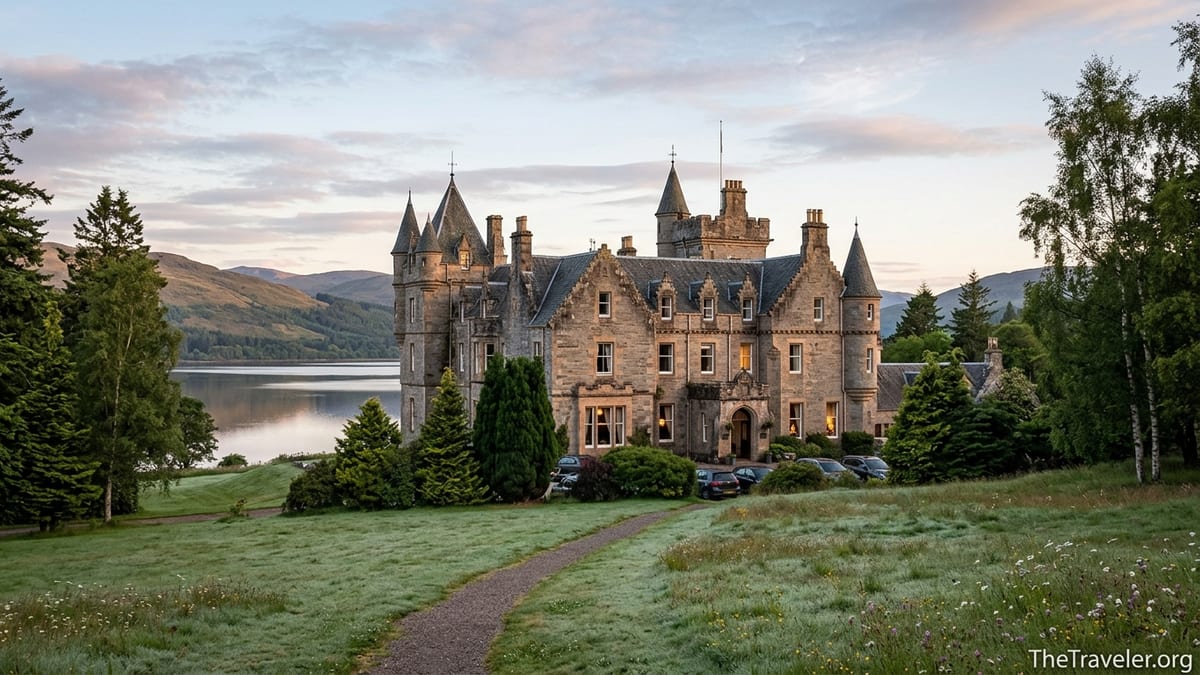
“Castle hotel” is an elastic term in Scotland. At one end are genuine historic castles and baronial mansions that have been converted into small luxury hotels, like Inverlochy Castle Hotel near Fort William in the West Highlands and Glenapp Castle on the Ayrshire coast. These are period buildings with original stonework, turrets, staircases and often listed status, paired with contemporary comforts such as fine dining, modern bathrooms and curated activities.
Next are castle style country houses, often Victorian or Edwardian, that were built to look romantic rather than defensive. Examples include Fonab Castle Hotel & Spa near Pitlochry in Perthshire, which sits above Loch Faskally with a contemporary wing and spa. Properties in this category still feel grand and historic, but you are more likely to find lift access, spa facilities and a range of room types that work better for families or mixed age groups.
Finally, there are stately homes and estates that trade on a castle like aesthetic without technically being castles. Some have a tower house or castellated facade, others simply offer sweeping grounds, drawing rooms with fireplaces and country sports. These can be excellent value if your priority is atmosphere and service rather than sleeping inside ancient stone walls. Knowing which category a hotel belongs to helps you understand why a suite at Glenapp Castle can cost several times more than a family room in a country house an hour away.
When you compare options, look closely at the building’s age and history page, photos of exteriors and public rooms, and the number of bedrooms. A genuine castle conversion will usually have fewer than 40 rooms and highly individual layouts. Larger properties with 80 or more rooms, standardized bathrooms and conference spaces are more likely to be castle themed resorts rather than heritage buildings.
Romantic Castle Stays Worth the Splurge
For couples, the most sought after Scottish castle hotels are small, service driven properties where the experience feels private and tailored. Inverlochy Castle Hotel typically sits at the top of romance lists because of its Highland setting beneath Ben Nevis, its intimate size and its focus on fine dining. Expect polished, traditional interiors, drawing rooms with log fires and a multi course tasting menu in the evening. In peak season between April and October, published nightly rates for standard rooms often start in the high hundreds of pounds per night and climb for suites, reflecting both the limited room count and high demand.
On the southwest coast, Glenapp Castle in South Ayrshire offers a similarly high end, cocooned experience. The hotel occupies a 19th century baronial mansion surrounded by woodland and gardens that run toward sea views and, on clear days, the profile of Ailsa Craig offshore. Couples are drawn to extras here: a small number of suites with sea facing bathtubs, curated activities like boat trips and stargazing, and a restaurant that regularly features in luxury press roundups. Recent online rates for entry level rooms commonly fall in the upper mid hundreds of pounds per night in shoulder season and can push higher in summer, while the penthouse suite is priced as a true special occasion indulgence.
If you want something romantic but slightly more accessible, Fonab Castle near Pitlochry is a strong compromise. The original turreted building holds characterful rooms and public spaces, but the contemporary wing adds rooms with floor to ceiling glass and loch views, plus a spa. You still get castle styling, Highland scenery and a good restaurant, but you may find midweek or off season deals that are noticeably below marquee names like Inverlochy or Glenapp. For many couples, that price difference funds experiences such as a private whisky tasting in Pitlochry or a guided hike in nearby forests.
For any of these romance focused properties, book direct on flexible rates if your budget allows. Top castle hotels often require a deposit of at least the first night and may charge the full stay if you cancel within a window that can be 14 to 30 days before arrival. Check terms carefully and factor travel insurance into the cost if you are planning the stay around a proposal or milestone celebration.
Highland Estates and Scenic Locations
Many travelers dream of waking up in a castle with mist hanging over a Highland loch. For that specific fantasy, location is as important as architecture. Inverlochy Castle Hotel sits a short drive from Fort William, giving you quick access to Ben Nevis, the Road to the Isles, Glenfinnan Viaduct and day trips to the Isle of Skye. Staying here works especially well if you are traveling by car between Glasgow and the western Highlands, because you can fold a one or two night stay into a broader road trip without detouring far off primary routes.
In the Central Highlands, Fonab Castle in Pitlochry offers a different kind of Highland base. Rather than remote seclusion, you are within walking distance of a busy small town with theatres, restaurants and outdoor outfitters, yet your room may look onto tree lined loch shores and hills. This suits travelers who want scenic walks, distillery visits and some nightlife, or who prefer not to feel too cut off if they are visiting Scotland without a car. Expect a 10 to 15 minute walk into town along roads or paths depending on your route.
Further north and east, several smaller castle style lodgings and tower houses function more as self catering rentals or lodges with limited hotel services. These can be excellent Highland bases for groups and extended families who prioritize scenery and privacy over restaurants and spas. Typical inclusions might be access to river or loch fishing, guided stalking in season, or hosted field sports days. Nightly pricing is often quoted for the whole property and can look high at first glance, but divided by multiple bedrooms and guests it can work out cheaper than individual rooms in a five star hotel.
Weather in the Highlands is highly changeable, so aim for flexibility in your plans. If you are paying a premium for a view from your castle room, a shoulder season stay in late April to June or September to early October often delivers a balance of long daylight hours, decent odds of clear days and slightly lower rates than peak August school holiday periods. Winter stays can feel very atmospheric with snow on the hills and roaring fires inside, but be prepared for shorter days, more limited local services and the possibility of travel disruptions.
Family Friendly Castles and Multi‑Generation Trips
Families often assume castle hotels are exclusively for couples, but several Scottish properties actively court multi generation groups. Larger baronial houses and castle style hotels usually offer twin rooms, interconnected options and family suites, which are rare in smaller true castles. Fonab Castle’s mix of lodge rooms and contemporary wing accommodations is one example, giving families the option of modern rooms with lift access and straightforward layouts in addition to the more atmospheric but quirkier main building.
When traveling with children, look beyond the word “castle” and check what activities and facilities are available. Some luxury properties focus on fine dining and quiet lounges, which can feel restrictive with younger kids. Others embrace a “country house” feel, with board games, woodland trails, informal afternoon teas and early children’s dinner sittings. Properties on large estates may arrange falconry displays, archery, pony trekking or simple treasure hunts in the grounds, making them more entertaining for teenagers without needing to leave the property each day.
An alternative for families is to book a private wing or self contained apartment within a castle estate. For example, some Scottish castles now offer multi bedroom suites with shared living spaces and kitchenettes, marketed specifically to groups. These arrangements give you the option to enjoy breakfasts or simple dinners on your own schedule while still walking down to the main hotel restaurant for a special evening. Nightly rates can sound high but, split across three or four bedrooms, they may compete favorably with separate hotel rooms plus restaurant meals for every sitting.
Pay attention to child policies in the booking conditions. It is common for high end castle hotels to charge supplements for extra beds, to restrict access to spa facilities for under 16s and to set expectations about noise in certain lounges or dining rooms. If you are planning a big family celebration, communicate directly with the property about your group size, ages and mealtimes to avoid friction later. Many estates are happy to arrange private dining rooms or early seatings if they know in advance.
Accessibility, Practicalities and Fine Print
Because many Scottish castle hotels are historic buildings, full step free access is not guaranteed. Before booking, study floorplans and photo galleries and, if accessibility is a priority, email or call the hotel to request specific information. Some properties have installed lifts in discreet locations and offer a limited number of accessible rooms with walk in showers and wider doors, often located in newer wings. Others may have bedrooms that are only reachable via narrow staircases or hallways with uneven floors, which can be challenging for guests with mobility issues or those traveling with bulky luggage.
Castle grounds can also be demanding. Paths from car parks to main entrances may be gravel or cobbled, and inner courtyards sometimes have steps or slopes. If you rely on a wheelchair or scooter, ask whether there is a level entrance or staff assistance on arrival. For visually impaired travelers, the combination of low light, polished floors and historic rugs can create trip hazards, so it is worth requesting a room near lifts or in modern wings where corridors are generally straighter and better lit.
On the booking side, read cancellation and deposit policies carefully. High end castles such as Glenapp Castle typically require a deposit at the time of booking and set a cut off date, often around two weeks before arrival, after which cancellations become non refundable. Special promotional rates at many properties are fully prepaid and non cancellable, sometimes with savings of roughly 10 to 20 percent compared to flexible rates. Decide whether the discount is worth the loss of flexibility, especially if you are coordinating flights, ferries or train journeys that could be disrupted by weather.
Finally, keep an eye on what is included in the nightly rate. Many Scottish castle hotels quote prices per room including breakfast and VAT, but extras such as dinner, activities, spa treatments and service charges are normally on top. At luxury properties, a couple can easily spend as much again on dining and drinks as they did on the room, particularly if they opt for tasting menus and wine pairings. When comparing properties, add a realistic estimate for on site spending to your accommodation budget so you are not surprised by the final bill.
Dining, Whisky and On‑Site Experiences
Dining is a major part of the appeal at Scotland’s top castle hotels, and it often justifies the premium compared with a standard country inn. Inverlochy Castle is widely known for its formal, multi course dinners served in dining rooms filled with period art and antiques, with menus that lean into local game, seafood and seasonal produce. Glenapp Castle similarly highlights fine dining, with a restaurant that has gained attention in luxury and food focused publications and offers elaborate tasting menus for guests who want to make dinner the main event.
More relaxed castle style properties, such as Fonab Castle, usually offer a spectrum of options from brasserie style dining to more formal rooms. This flexibility suits mixed groups and longer stays, allowing you to alternate between multi course evenings and simpler meals. Many hotels now accommodate vegetarian, vegan and gluten free diets as a matter of course, but if you have severe allergies or specific religious dietary requirements it is wise to notify the property before arrival, especially in smaller rural kitchens where sourcing can take time.
Whisky is the other pillar of the experience. Even mid range castle hotels tend to maintain well stocked bars with single malts from across Scotland, and some run guided tastings on site. If you are staying in the Highlands or Speyside, your hotel can often arrange transfers or guided tours to nearby distilleries, which is safer and more relaxing than self driving between tastings. In Pitlochry, for instance, guests at Fonab Castle commonly visit local distilleries during the day and return to the hotel bar to compare notes over a nightcap.
In addition to food and drink, look at what is available in terms of on site activities. Large estates might offer clay pigeon shooting, archery, falconry displays, boat trips, dark sky stargazing sessions or guided wildlife walks. These experiences can significantly increase your overall spend but also turn a one night stay into a full weekend of memorable moments. When budgeting, it can be useful to think in terms of a total trip cost per day that bundles room, dining and one paid activity, rather than focusing solely on the listed room rate.
How to Choose and Book the Right Castle Hotel
Choosing between Scotland’s castle hotels comes down to balancing authenticity, location and budget. If sleeping in a genuine historic castle with period interiors is your top priority, properties like Inverlochy Castle and Glenapp Castle are strong candidates, with the understanding that you will pay a clear premium. If you are more flexible on strict “castle” definitions and mainly want dramatic views and a sense of occasion, castle style hotels such as Fonab Castle or larger country estates near Edinburgh, Perthshire or the Borders may deliver a similar emotional impact at lower nightly prices.
Start by mapping your broader itinerary. If you have only a week in Scotland, forcing a remote castle stay into a packed schedule can mean long drives for a single night, which may not feel worth it. Instead, look for castle hotels that sit naturally along your route: for example, combining a stay at Inverlochy with a West Highlands road trip, or using Fonab Castle as a base for exploring Pitlochry, Aberfeldy and surrounding glens. If your trip is city heavy, a castle within two hours of either Edinburgh or Glasgow can make a satisfying finale without burning a full day on travel.
When it comes to booking channels, compare direct rates with major booking platforms. Direct bookings at upscale castle hotels sometimes include small extras such as complimentary upgrades when available, welcome drinks or flexible cancellation windows. Large booking sites, on the other hand, occasionally run limited time discounts or package deals that roll room and car hire together at a lower combined rate. For very high demand dates, such as summer weekends or holiday periods, it is worth booking as early as you comfortably can and then watching for small price drops that you can sometimes capture if your rate allows free changes.
Before you commit, read a mix of recent guest reviews and professional write ups. Pay attention to comments about room maintenance, service consistency and how well the property manages expectations around formal dining and dress codes. In 2026, reviews of top Scottish castle hotels generally remain positive, but even the best properties can experience occasional staffing pressures or refurbishments that affect certain wings. A quick scan of recent feedback can alert you to short term issues like spa closures or dining room renovations that might influence your decision.
FAQ
Q1. Are Scottish castle hotels worth the higher price compared with regular country hotels?
For many travelers, yes, provided the castle stay is a highlight of the trip rather than just a place to sleep. The premium buys architecture, atmosphere, service and often exceptional dining. If you only need a base for day trips and plan to be out most of the time, a good country inn or smaller hotel may represent better value.
Q2. How much should I budget per night for a stay in a Scottish castle hotel?
At the luxury end, expect typical entry level rooms at renowned castles to cost in the high hundreds of pounds per night in peak season, with suites higher. Castle style hotels and estates in less famous locations can start lower, especially midweek or in shoulder seasons, but you should still plan for a per night spend that is meaningfully above a standard three or four star hotel once dining and drinks are included.
Q3. When is the best time of year to book a romantic castle stay in Scotland?
Late spring and early autumn often strike the best balance between atmosphere, daylight hours and price. From late April to June, gardens are coming to life and days are long, while September and early October bring autumn color and slightly calmer visitor numbers than peak August. Winter can be magical with fires and snow on the hills, but weather is less predictable and some activities are limited.
Q4. Do Scottish castle hotels welcome children and families?
Many do, but the experience varies widely by property. Some castles position themselves as quiet retreats for couples, while others lean into a relaxed country house feel with family rooms, board games and estate activities. Always check child policies, available room configurations and mealtime arrangements before booking if you are traveling with younger guests.
Q5. How far in advance should I book a popular castle hotel like Inverlochy or Glenapp?
For peak summer weekends or special occasions, booking several months in advance is sensible, especially if you want specific room types or suites. Shoulder season dates often have more flexibility, but availability can still tighten around public holidays and local events. If you are planning a proposal, wedding or anniversary celebration, the earlier you open a conversation with the hotel, the better your options.
Q6. Are castle hotels in the Highlands accessible without a car?
Some are, but many of the most atmospheric properties sit in rural locations where public transport is limited. You can reach regional hubs such as Fort William or Pitlochry by train and then use taxis or private transfers to reach nearby castles. If you prefer not to drive, look specifically for hotels that mention proximity to rail stations and are accustomed to arranging transfers for guests.
Q7. What should I pack for a stay at a Scottish castle hotel?
Bring smart casual clothing suitable for country house dining, plus layers and waterproof outerwear for exploring the grounds or nearby hills. Even in summer, evenings can be cool. Sturdy shoes are helpful for walking on gravel, lawns and woodland paths. If the hotel has a spa or pool, remember swimwear, and if you are planning activities like stalking or shooting, ask in advance whether any specific clothing is required.
Q8. Do castle hotels cater for dietary requirements and food allergies?
Most upscale Scottish castle hotels are used to accommodating vegetarian, vegan and gluten free diets, and many can manage common allergies with notice. Because kitchens in smaller rural properties may have limited storage and suppliers, it is important to let the hotel know your needs well before arrival, ideally at the time of booking. This gives chefs time to plan menus and ensure safe options for you.
Q9. Can I visit a castle hotel for afternoon tea or dinner without staying overnight?
In many cases, yes. Several castle hotels open their restaurants, lounges or terraces to non residents for afternoon tea, drinks or dinner, often by advance reservation. This can be a good way to sample the atmosphere if an overnight stay is beyond your budget or fully booked. Always check current policies and make a booking, especially in busy seasons.
Q10. What is the tipping etiquette at Scottish castle hotels?
Tipping in Scotland is appreciated but not as rigid as in some countries. In castle hotels with table service, adding a gratuity of around 10 percent in restaurants and bars is customary if service is not already included. For porters, housekeeping and activity guides, small cash tips are welcome for good service but not obligatory. If you are unsure, you can always ask reception whether a service charge has been added to your bill.