


Northern Ireland rewards visitors with dramatic coastlines, compact cities and a deep cultural story, but it is no longer the ultra-cheap corner of the UK many travelers remember. Prices in Belfast and along the Antrim Coast have risen in recent years, and understanding what things really cost will make the difference between an anxious trip and an enjoyable one. This guide walks through current, on-the-ground prices for hotels, rental cars, food, fuel, public transport and major sights so you can build a realistic daily budget for any travel style.
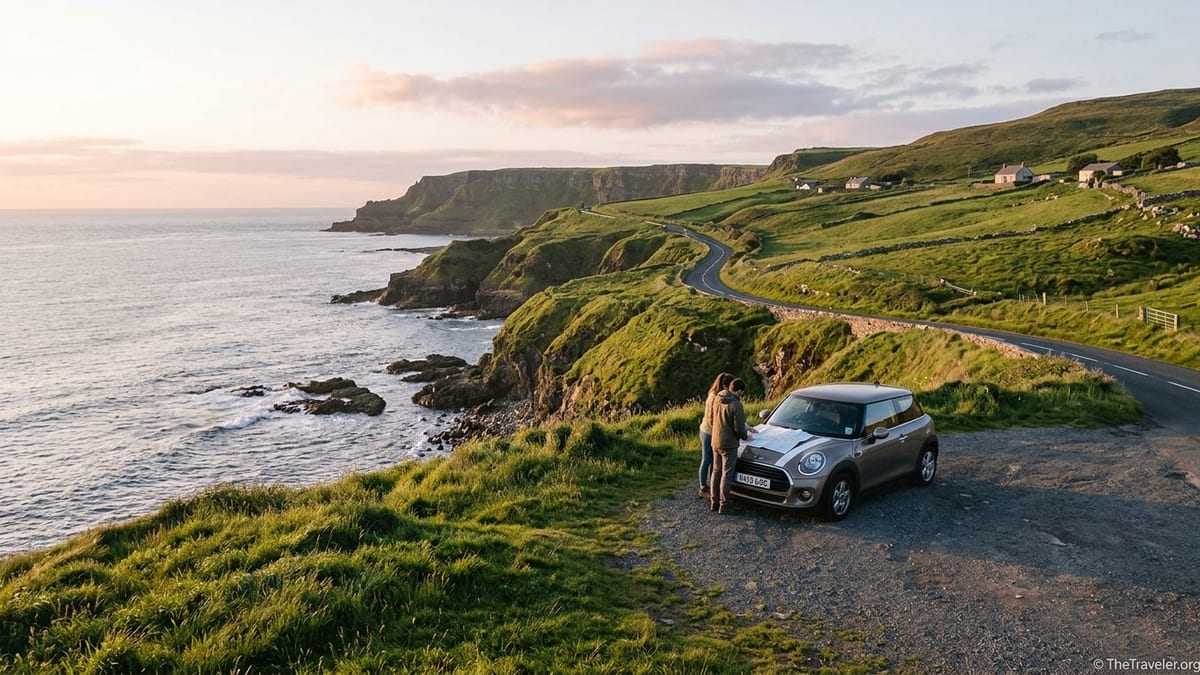
How Much Does a Trip to Northern Ireland Really Cost?
For most visitors, Belfast is the entry point and a good benchmark for prices across Northern Ireland. Recent cost-of-living data for Belfast shows that restaurant and accommodation prices have climbed to levels similar to many mid-sized UK cities, although they generally remain a little below London. A simple pub lunch can still be found for under 10 pounds in local neighborhoods, but dinner in popular city-center restaurants often edges toward big-city pricing.
For a typical traveler, a realistic daily budget in 2026, excluding flights, ranges roughly from 70 to 100 pounds per person for strict budget trips, 130 to 200 pounds for mid-range comfort, and 220 pounds or more for higher-end stays. These estimates assume you share accommodation costs between two people and include food, local transport or car rental, some attractions and a modest amount of drinks and incidentals.
Costs outside Belfast, such as in Derry, the Mourne Mountains area or small towns like Portrush and Bushmills near the Causeway Coast, can be slightly lower for food and local transport, but popular coastal hotspots and weekends still push up hotel rates. High-season demand, especially in July and August and around major events, can easily increase room prices by 20 to 40 percent compared with shoulder season dates in May, June, September and October.
Currency also matters for international visitors. Prices in this guide are given in pounds sterling, which is used across Northern Ireland. When converting to euros or US dollars, remember that exchange rates can shift from year to year, so treat any converted totals as approximate rather than fixed.
Accommodation Costs: From Hostels to Boutique Hotels
Hotel prices have risen steadily in Belfast, driven by record visitor numbers and limited room supply in prime locations. Local tourism and business reports put the average daily rate for Belfast hotels around the low one-hundreds in pounds per night in 2025, and online booking platforms in 2026 commonly show standard double rooms at around 90 to 130 pounds for well-rated three-star properties on typical non-event dates. Budget travelers willing to compromise on location or book very early can sometimes find basic three-star or guesthouse rooms closer to 70 to 80 pounds per night.
For four-star and boutique hotels in Belfast city center, such as stylish converted townhouses around the Cathedral Quarter or branded properties near Donegall Square, nightly rates frequently cluster between 140 and 190 pounds for a standard double room, depending on season and day of the week. Five-star or destination hotels with spa facilities often start around 220 to 250 pounds per night and can rise much higher on peak Fridays and Saturdays. Coastal towns like Portrush and Ballycastle can feel just as expensive in midsummer, with seafront rooms at popular small hotels easily exceeding 180 pounds per night on July weekends.
Hostels and budget accommodation options still exist, though they fill quickly in warmer months. Beds in shared dormitories in Belfast or Derry typically run from around 25 to 40 pounds per night, with private hostel rooms sometimes reaching 60 to 80 pounds for two people. Rural bed-and-breakfast stays, a classic way to experience Northern Ireland hospitality, usually cost around 90 to 130 pounds per night for a double room including a cooked breakfast, depending on the location and standard of the property.
For a budget traveler sharing a room, plan on roughly 35 to 45 pounds per person per night if you are content with hostels or the cheapest guesthouses. Mid-range travelers looking for comfortable central three or four-star hotels should allow around 70 to 110 pounds per person per night when sharing. Higher-end travelers booking four and five-star properties, seafront rooms and boutique hotels in prime locations should expect at least 120 to 180 pounds per person per night for accommodation alone during popular months.
Food, Drink and Daily Eating Costs
Restaurant prices in Belfast and larger towns have climbed in recent years, but there is still a big spread between quick, casual meals and sit-down dinners in fashionable venues. Recent menus and cost-of-living surveys suggest that a simple main course in an inexpensive restaurant costs around 13 to 20 pounds per person, while a three-course dinner for two in a mid-range restaurant, excluding drinks, often lands between 70 and 80 pounds. In practice, a casual dinner of burgers or pizza with soft drinks for two might come to 35 to 45 pounds, while a more polished bistro with starters, mains and wine can easily reach 100 pounds or more for two people once service is included.
Lunch is the easiest place to save. Many Belfast cafes offer soup and a sandwich or a daily special for around 8 to 12 pounds, and takeaway bakeries selling sausage rolls and filled baps can bring a quick meal down to 5 to 7 pounds. Chain coffee shops sell coffees in the 3 to 4 pound range, while independent cafes might charge similar prices but offer more character. A pint of beer in less touristy Belfast pubs can still be found for under 5 pounds, though popular bars in the city center often charge 5.50 to 6.50 pounds for a standard lager or craft ale.
Self-catering makes a notable difference on a longer trip. Supermarkets in Northern Ireland sell ready-made sandwiches for around 3 to 4 pounds, while a bag of groceries suitable for two simple self-cooked dinners and breakfasts might cost 15 to 25 pounds depending on what you buy. Self-catering also helps if you plan remote hikes in places like the Mourne Mountains or the Sperrins, where restaurant options can be limited and pricier.
A realistic daily food budget for a budget traveler might be 20 to 30 pounds, relying on supermarket breakfasts, quick lunches and only one modest restaurant meal per day. Mid-range travelers who want a sit-down lunch and a comfortable dinner with a drink should budget around 35 to 55 pounds per day. Higher-end travelers dining in some of Belfast’s acclaimed spots, such as tasting-menu restaurants or upscale seafood places along the coast, should expect daily food costs of 70 to 120 pounds per person if they choose wine pairings or cocktails.
Transport: Rental Cars, Fuel, Trains and Buses
Northern Ireland is small enough that you can cover a lot of ground in a week, and how you move around will shape your budget. Many visitors collect a rental car at Belfast International or Belfast City airport to explore the Causeway Coast and more remote countryside. Recent rental car data for Belfast airports suggests that compact rentals, when booked in advance, are often found around the low 30s in pounds per day on average, with peak summer rates and last-minute bookings jumping into the 40 to 60 pound range. Automatic transmission cars typically cost a bit more than manuals.
On top of base rental rates, factor in insurance, fuel and parking. Comprehensive or reduced-excess insurance packages can add 10 to 20 pounds per day if you buy them from the rental company rather than relying on a credit card policy. Petrol prices in Northern Ireland fluctuate, but planning on roughly 1.50 to 1.70 pounds per liter helps build a conservative budget. On a compact car, that means a full tank can easily cost 70 to 90 pounds, and a full day of mixed driving along the Antrim Coast might use 20 to 30 pounds worth of fuel. City-center parking in Belfast often costs around 2 to 3 pounds per hour in multi-storey car parks, with daily caps around 15 to 20 pounds.
Public transport is a valid alternative if you prefer not to drive. Northern Ireland Railways operates trains between Belfast and Derry, as well as commuter routes to places like Bangor and Portadown. Advance fares on the Belfast to Derry line can be surprisingly affordable, sometimes under 15 pounds one way, especially on off-peak services. Translink buses connect Belfast with the Causeway Coast, including services to towns like Coleraine and Portrush, and local buses within Belfast serve neighborhoods and attractions for just a few pounds per ride. Day tickets and multi-journey smartcards can bring per-trip costs down if you use public transport frequently.
For a budget traveler relying on regional buses and trains, 8 to 15 pounds per day will often cover most journeys, with occasional longer hops perhaps pushing that figure higher. A couple sharing a rental car and exploring widely might see daily transport costs around 50 to 80 pounds once fuel, insurance and parking are included, which averages to roughly 25 to 40 pounds per person. Higher-end travelers booking private drivers or chauffeured day tours for sightseeing days should allow 250 to 400 pounds for vehicle and driver for the day, depending on distance and group size.
Attractions, Tours and Sightseeing Costs
Many of Northern Ireland’s most striking sights remain free in principle, but there are often charges for visitor centers, guided tours, car parks and added experiences. The Giant’s Causeway, the famous basalt columns on the coast, is a good example. The stones themselves are part of the coastline and are free to access on foot, but most visitors choose to pay for the National Trust visitor experience, which includes parking, exhibitions and a guided audio tour. Current ticket prices for adults are typically a little under 20 pounds, with discounted family and child tickets available, and advance online booking is generally recommended during summer.
The Titanic Belfast visitor attraction, built on the former shipyard where the ship was constructed, charges one of the higher admission fees in the city, with adult tickets commonly priced around 25 pounds depending on package and timing. Other key city sights, such as Crumlin Road Gaol, which offers historical and political tours of the former prison, tend to charge adult entry prices in the 15 to 20 pound range. Smaller museums and galleries in Belfast and Derry often cost less, and some, like certain city museums and public art galleries, may be free or ask for a voluntary donation.
Guided tours are an important part of many itineraries, especially for visitors who want context around Northern Ireland’s recent history or to avoid driving. Political black taxi tours in Belfast, which explore peace walls and mural-lined neighborhoods, usually cost around 20 to 25 pounds per person in a small shared group, or 60 to 100 pounds for a private cab depending on length and the number of passengers. Full-day coach tours from Belfast to the Giant’s Causeway and Carrick-a-Rede rope bridge are widely available, often costing between 45 and 70 pounds per person, with some itineraries also including stops at locations used in popular television series filmed in the region.
Outdoor experiences like guided hikes in the Mourne Mountains, sea kayaking tours around the Causeway Coast or boat trips in places like Strangford Lough have a broad price range. Half-day small-group activities commonly cost between 40 and 80 pounds per person, while private guiding can exceed 150 pounds for a day. When budgeting, a practical rule is to set aside 15 to 30 pounds per day per person for entry fees in a low-key itinerary and 30 to 60 pounds per day for an itinerary heavy on paid attractions, coach tours or guided adventures.
Sample Daily Budgets: Budget, Mid-Range and Higher-End
Putting all these elements together, it becomes easier to picture what a full day in Northern Ireland might cost in real terms. Imagine a budget-conscious couple sharing a twin room in a Belfast hostel at 70 pounds per night. Split between two, accommodation comes to 35 pounds per person. They buy supermarket breakfast for 3 pounds, grab a café lunch for 8 pounds and enjoy a casual pub dinner for 15 pounds, putting food at around 26 pounds. Using city buses and perhaps a regional train, they might spend 7 pounds on transport. If they visit a single paid attraction such as Crumlin Road Gaol for around 17 pounds, their total daily spend lands roughly around 85 pounds per person.
A mid-range example might involve a three-star hotel near Belfast City Hall priced at 150 pounds per night, or 75 pounds per person when shared. Breakfast is included, and they spend 12 pounds on a light lunch and 30 pounds on dinner with a drink, for a food total of 42 pounds. They rent a compact car that averages 40 pounds per day including insurance and fuel, split to 20 pounds per person. Entry to Titanic Belfast at roughly 25 pounds and a small extra budget for coffee and snacks, say another 8 pounds, brings the daily total to around 170 pounds per person.
A higher-end day might feature a four-star boutique hotel for 220 pounds per night, or 110 pounds per person when shared. The travelers enjoy a coffee and pastry out for breakfast at around 7 pounds, lunch at a popular city restaurant for 20 pounds and a refined dinner at a contemporary tasting-menu restaurant, which could easily cost 80 to 120 pounds per person including wine. Conservatively, food and drink might be 140 pounds for the day. They join a privately guided political tour of Belfast at 80 pounds per person and allow another 10 pounds for taxis. Without any serious shopping, their daily total can reach 340 pounds per person, and special splurges or spa treatments can climb even higher.
These examples are not hard ceilings but practical benchmarks. Weekend surcharges, special events, concerts and sports fixtures can inflate accommodation prices, particularly in Belfast, sometimes doubling rates for popular properties on specific dates. On the other hand, traveling midweek in shoulder season, staying slightly outside the city center and mixing self-catering with occasional restaurant meals can pull even a mid-range budget noticeably downward without sacrificing the heart of the experience.
Money-Saving Tips and When to Splurge
Controlling costs in Northern Ireland is less about hunting for extreme bargains and more about choosing where to allocate your spending. One of the easiest levers is seasonality. Visiting in May, early June, September or early October often brings milder weather, fewer crowds and noticeably lower hotel rates than peak summer. Shifting your stay from Friday and Saturday nights to Sunday through Thursday can also shave a sizable chunk off accommodation in Belfast and coastal towns.
Food-wise, many travelers find that making lunch their main restaurant meal and keeping dinner simpler works well. Fixed-price lunch menus in Belfast, Derry and seaside towns can be good value, sometimes offering two courses for 15 to 20 pounds. Dining slightly away from the most touristed streets, where rents and demand are highest, often reveals more reasonably priced pubs and cafes that still deliver a strong local atmosphere. Self-catering breakfast in hotel rooms with kettles and mini-fridges, using supermarket yogurt, fruit and pastries, can save 5 to 10 pounds per person each day.
In terms of attractions, consider which experiences truly benefit from a guide or immersive visitor center and which can be enjoyed independently. You might decide that paying for the full visitor experience at the Giant’s Causeway is worthwhile for context on geology and local stories, while exploring some coastal viewpoints and small villages on your own for free. Similarly, you may choose a single well-reviewed political taxi tour instead of multiple overlapping walking tours in Belfast, concentrating your spend on one strong interpretive experience.
Many travelers also like to identify one or two personal splurges before they arrive, such as a night in a seafront hotel in Portrush, an elaborate tasting menu in Belfast, or a full-day photography tour along the Causeway Coast. Building these into your plan from the start makes it easier to save in other areas without feeling deprived. A clear sense of your daily ceiling, combined with flexible choices on food and activities, keeps the trip enjoyable while preventing unpleasant surprises on your credit card statement once you return home.
The Takeaway
Northern Ireland is no longer a rock-bottom budget destination, but it remains excellent value for travelers who prioritize atmosphere, landscapes and storytelling over constant high-end consumption. Understanding current prices for hotels, food, transport and attractions allows you to match your itinerary to your wallet without unexpected shocks. In 2026, most visitors will find that budget travel is still possible with careful choices, mid-range comfort is attainable for many, and higher-end experiences deliver quality to match their cost.
The core advantages remain the same regardless of budget. Distances are short, which keeps transport costs under control compared with larger countries. Many of the standout experiences, from windswept clifftop walks to exploring murals and public art, are free or low-cost. By mixing a handful of ticketed highlights such as Titanic Belfast, the Giant’s Causeway visitor experience or a coastal day tour with independent exploration and local food, you can enjoy a rich and varied journey without overspending.
Most importantly, build in some financial slack. Currency shifts, weather changes and the temptation of an unexpected festival or show can nudge your daily spending above the initial plan. If you budget slightly on the generous side and then choose when to save, you will experience Northern Ireland as it is meant to be seen: relaxed, curious and with enough room in your schedule and wallet to say yes to the moments that matter.
FAQ
Q1. How much should I budget per day for a trip to Northern Ireland? For most travelers in 2026, a realistic daily budget excluding flights is roughly 70 to 100 pounds for tight budget travel, 130 to 200 pounds for comfortable mid-range travel, and 220 pounds or more for higher-end stays that include upscale dining and guided tours.
Q2. Are hotels in Belfast expensive compared to the rest of Northern Ireland? Belfast generally has higher hotel prices than smaller towns, especially around big events and weekends, but the difference is not dramatic. In summer, a central three-star room in Belfast might be 140 pounds while a similar standard in a coastal town could be 120 to 150 pounds, so availability and timing matter more than location alone.
Q3. Is it cheaper to rent a car or use public transport? For solo travelers who stay mainly in cities and make a few excursions, public transport is usually cheaper, with daily costs around 8 to 15 pounds. For couples or small groups wanting to explore rural areas and the Causeway Coast flexibly, sharing a rental car often works out similar in cost or slightly more, but offers far greater convenience.
Q4. How much does food cost per day in Northern Ireland? A budget traveler relying on supermarket food and simple pub meals might manage on 20 to 30 pounds per day for food. Mid-range travelers who enjoy a café lunch and a sit-down dinner with one drink should plan for 35 to 55 pounds, while those dining in higher-end restaurants or ordering multiple courses with wine can easily spend 70 to 120 pounds per day.
Q5. Are major attractions like Titanic Belfast and the Giant’s Causeway worth the cost? Most visitors find that the price of major attractions reflects the quality of the experience, particularly at Titanic Belfast and the Giant’s Causeway visitor center, which offer strong interpretation and facilities. If you are on a strict budget, you can prioritize one or two big-ticket sights and balance them with free walks, museums and coastal viewpoints.
Q6. When is the cheapest time of year to visit Northern Ireland? The best value tends to be in the shoulder seasons, particularly May, early June, September and early October. Hotel rates are generally lower than in July and August, attractions are less crowded, and you can still enjoy long days and relatively mild weather in most years.
Q7. How much should I allow for tours and activities? For a trip that mixes free exploration with some guided experiences, budgeting 15 to 30 pounds per person per day for attractions and tours is usually sufficient. If you plan several coach trips, private guides or adventure activities, increasing that allowance to 30 to 60 pounds per day gives more flexibility.
Q8. Do I need to tip in restaurants and on tours? Tipping practices are similar to the rest of the UK. Service is not always included, so if it is not added to your bill and you are happy with the experience, leaving around 10 percent in restaurants is common. For guides and taxi drivers, rounding up or offering a few pounds is appreciated but not compulsory.
Q9. Can I visit the Giant’s Causeway for free? The rock formations themselves are part of the coastline and do not have an admission charge, but parking at the official site and using the visitor center and its facilities require a ticket. Many travelers feel the guided information and convenience justify the fee, while strict budget travelers sometimes choose alternative parking and a simple walk along the coast.
Q10. How much extra should I budget for unexpected expenses? Allowing an extra 10 to 20 percent on top of your planned daily budget is sensible. This buffer covers exchange rate shifts, weather-related changes such as last-minute taxi rides, occasional splurge meals and spontaneous activities like live music events or local festivals that you may want to join once you are on the ground.