


The United Kingdom rarely sits in the middle of anyone’s travel list. For some, London, Edinburgh and rolling green hills are dream destinations. For others, images of drizzle, high prices and crowded cities raise doubts. With visitor numbers again exceeding pre‑pandemic levels and more than 40 million international trips recorded in 2024, the UK is clearly back on the global travel map, but is it worth your limited vacation time and budget?
Why the UK Appeals: A Snapshot for Trip Planners
For many travelers, the UK offers a dense mix of city culture, historic sites and accessible countryside in a compact area. In a single week you can visit blockbuster museums in London, tour a medieval castle in Wales, hike through the Lake District and finish with whisky and live music in Edinburgh. Frequent trains and domestic flights make it feasible to cover several regions without renting a car, though driving opens up more remote corners such as the Scottish Highlands or rural Devon.
Tourism numbers suggest that, despite perceptions of grey skies, the UK remains one of the world’s most visited destinations. London consistently appears near the top of global city rankings for international arrivals, drawing people with headline sights such as the British Museum, Tower of London and West End theatre. Beyond the capital, cities like Edinburgh, York, Bath, Manchester and Belfast have invested heavily in visitor infrastructure, from revamped museums to modern hotels and upgraded rail links.
On the downside, costs can be high, especially in London and during peak summer. Budget travelers will find that accommodation and transport eat into funds more quickly than in many parts of southern Europe. The weather is also variable, meaning you must plan around rain and cool temperatures, even in July. Whether the UK is “worth it” ultimately depends on what you value most: depth of history, English‑speaking convenience and varied landscapes, or warmer weather and beach time.
City Highlights: London and Beyond
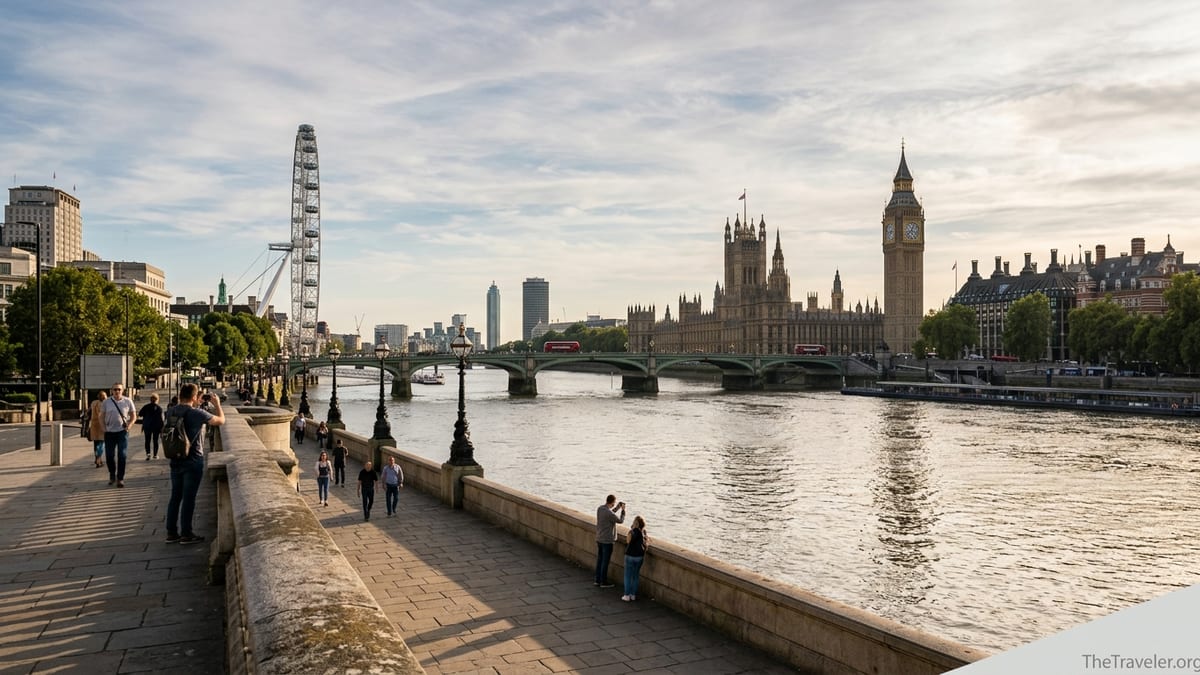
London is usually the entry point and can easily absorb four or five days. Central sights cluster along the Thames and in the West End: visitors often pair the Tower of London with a walk over Tower Bridge, then explore the galleries of Tate Modern or the National Gallery. Many of the city’s major museums do not charge an entry fee, including the British Museum, Tate Modern, the Victoria and Albert Museum and the National Gallery, which can significantly stretch your budget if you are willing to spend more time in exhibitions and less in shops.
Outside London, Edinburgh is the standout city break. Its compact Old Town and New Town are walkable, with Edinburgh Castle perched on volcanic rock at one end of the Royal Mile and the Palace of Holyroodhouse at the other. In August, the Edinburgh Festival Fringe transforms the city into one of the world’s largest arts festivals, with thousands of shows in pubs, churches and pop‑up venues. Prices and crowds spike during those weeks, so travelers seeking lower costs often choose late May, June or September instead.
Smaller historic cities reward a slower pace. York offers intact medieval city walls, the Gothic York Minster and winding lanes like the Shambles that feel purpose‑built for aimless strolling. Bath, known for Georgian architecture and Roman Baths, works well as a day trip from London or as a base for exploring the Cotswolds. In Wales, Cardiff combines a renovated waterfront and a castle in the city center, while in Northern Ireland, Belfast’s Titanic Quarter and political mural tours give insight into recent history.
For travelers interested in contemporary culture as much as stonework, cities such as Manchester, Glasgow and Liverpool offer strong music scenes, street art, football culture and growing food options. A weekend in Manchester might include a Premier League match, a visit to the Science and Industry Museum and dinner in the Northern Quarter, while Liverpool mixes Beatles history with waterfront museums and galleries.
Castles, Historic Sites and Coastal Scenery
The UK is densely packed with historic castles and stately homes. In England, Windsor Castle remains a working royal residence and can be visited as a day trip from London by train in under an hour. Warwick Castle, with its towers and recreated medieval events, is popular with families. In Wales, Conwy Castle and Caernarfon Castle dominate their respective towns and give panoramic views of the countryside and coast from their ramparts. Scotland’s Stirling Castle and Edinburgh Castle are must‑sees for many first‑time visitors.
Many of these sites are managed by national heritage organizations such as English Heritage, Historic Scotland and Cadw in Wales. Entry fees typically range from about 12 to 30 pounds for adults at major castles and palaces, with discounts available for children, families and members. Travelers planning to visit several sites in a short period often find value in regional or national passes, especially if their itinerary includes multiple high‑profile attractions such as Edinburgh Castle, Stirling Castle and Urquhart Castle on Loch Ness.
Coastlines are another argument in favor of a UK trip. England’s Jurassic Coast in Dorset offers fossil‑rich cliffs and small seaside towns like Lyme Regis, while Cornwall is known for its surf beaches, fishing villages and coastal trails. In the north, the Northumberland coast features wide sandy beaches, Bamburgh Castle looking out over the sea and easy day trips to Holy Island. Scotland’s west coast and islands, including Skye and the Outer Hebrides, provide rugged scenery with sea cliffs, white‑sand beaches and frequent wildlife sightings of seals and seabirds.
If your idea of a vacation involves dramatic viewpoints, the UK delivers more in cliffs and coastal paths than in tropical sand. You can expect cool water temperatures most of the year and short true “beach days,” but walking the South West Coast Path in Devon or the Causeway Coast in Northern Ireland can be as memorable as any time spent sunbathing in southern Europe.
Countryside, National Parks and Outdoor Experiences
One of the UK’s biggest draws is how quickly you can reach green space from major cities. From London, a one‑hour train ride can place you among the chalk cliffs of the South Downs, the woods of Surrey or riverside walks along the Thames outside the urban core. For visitors with more time, the national parks showcase the most celebrated rural landscapes: the Lake District in northwest England, Snowdonia in north Wales, the Peak District between Manchester and Sheffield, and the Cairngorms in the Scottish Highlands, among others.
The Lake District is particularly popular with international travelers. Base towns such as Windermere, Ambleside and Keswick offer guesthouses, pubs and boat trips on the lakes, while hiking options range from easy lakeside paths to full‑day ascents of peaks like Scafell Pike. In Wales, Snowdonia offers similar choices, with Llanberis and Betws‑y‑Coed serving as common bases. A clear day on the summit of Yr Wyddfa (Snowdon) can provide expansive views across the mountains and out to the sea.
Rural areas also showcase another side of UK culture: village pubs, farm shops and historic walking paths that cross fields and moorland. In the Cotswolds, travelers often walk between honey‑colored stone villages such as Bourton‑on‑the‑Water, Stow‑on‑the‑Wold and Chipping Campden, stopping for tea rooms and country inns along the way. In Scotland, driving routes like the North Coast 500 loop around the northern Highlands combine beaches, lochs, castles and small villages over about 500 miles of road.
Weather and terrain require preparation. Trails can be muddy even in summer, and conditions can shift quickly in the hills. Sturdy shoes, a waterproof jacket and layers are usually more useful than fashion‑forward outfits. For many visitors, however, slipping into a pub with a fireplace after a windy coastal walk becomes part of the UK’s charm rather than a drawback.
Weather, Seasons and Ideal Trip Length
The UK’s maritime climate brings relatively mild temperatures year‑round but plenty of changeable weather. Summer daytime highs in London and southern England often sit in the low to mid‑20s Celsius, with occasional hotter spells. Further north and in coastal areas, temperatures tend to be cooler. Rain is possible in any month, with some regions, such as western Scotland and the Lake District, seeing frequent showers. Travelers quickly learn that carrying a compact umbrella or waterproof jacket is a wise habit regardless of the season.
Spring and autumn are often the most comfortable periods for sightseeing. April, May, September and early October typically offer moderate temperatures and fewer crowds than the peak summer school holiday period. In spring, parks and gardens such as London’s Kew Gardens or Edinburgh’s Princes Street Gardens are lush with new growth, while autumn brings colorful foliage to areas like the New Forest and Scottish Highlands. Winter brings shorter daylight hours, especially in northern Scotland, but city visits can still be rewarding, with Christmas markets, illuminated streets and lower accommodation prices.
For first‑time visitors focusing on England and Scotland, a typical trip length ranges from 7 to 14 days. A week might include four nights in London and three in Edinburgh, with day trips to sites such as Stonehenge, Windsor or the Highlands. Ten to fourteen days allow you to add a region like the Cotswolds, the Lake District, North Wales or Belfast and the Causeway Coast. Those keen on extensive hiking, self‑drive routes or multiple countries within the UK may want two to three weeks to avoid constant packing and moving.
It is worth considering daylight when planning activities. In June, long evenings make it easy to combine daytime sightseeing with after‑dinner walks along rivers or city streets. In December, darkness can fall as early as mid‑afternoon in Scotland, which affects how many outdoor sights you can comfortably fit into a day but leaves more time for indoor attractions and festive events.
Transport, Costs and How to Keep Spending in Check
Public transport coverage is one of the UK’s strengths from a visitor’s point of view. Long‑distance trains link London with cities such as Edinburgh, Glasgow, Manchester, Birmingham, Cardiff and Bristol, often in three to five hours. Advance fares booked directly with train operators or national booking platforms can be significantly cheaper than tickets purchased on the day of travel. Rail passes such as BritRail, sold primarily to visitors, can offer value if you plan multiple long journeys within a limited period, particularly across England, Scotland and Wales.
Within cities, buses, trams and urban rail networks handle most journeys. London’s Oyster and contactless payment system caps daily spending on buses and the Underground. In cities like Manchester and Edinburgh, tap‑on bus systems work in a similar way. Taxis and ride‑hailing services are widely available but can add up quickly, especially during busy times or late at night. Renting a car becomes worthwhile if your itinerary focuses on rural areas such as the Scottish Highlands, Yorkshire Dales or coastal Cornwall where buses may run infrequently.
Costs are often the factor that make travelers hesitate about the UK. As a broad indication in 2026, a simple hotel room in central London at a mid‑range chain such as Premier Inn or similar might fall in the range of roughly 130 to 220 pounds per night, depending on season and location, while smaller cities and rural areas can be considerably cheaper. Private rooms in hostels or budget hotels may run from around 60 to 120 pounds, with dorm beds available for less. A takeaway coffee in central London typically costs between about 3 and 4.50 pounds, and a basic pub meal might be 12 to 20 pounds, rising for more elaborate dishes.
Travelers can contain spending with a few strategies. Booking train tickets several weeks in advance, traveling outside rush hours, and making use of discount railcards where eligible can significantly cut rail costs. In cities, leaning on free museums, self‑guided walking tours and parks can balance occasional paid attractions such as the Tower of London or Edinburgh Castle. Self‑catering some meals by choosing accommodations with a kitchenette or by buying sandwiches and snacks from supermarkets can also keep budgets from spiraling. Overall, the UK tends to cost more than many destinations in Eastern Europe but can be similar to or slightly less than top‑tier cities like Paris when you factor in the wide range of free cultural institutions.
How the UK Compares to Ireland, France and Italy
Many travelers considering the UK also weigh it against Ireland, France or Italy. Each alternative offers its own strengths. Ireland shares the English language and has a similar blend of friendly pubs, coastal scenery and small cities. Dublin, Galway and Killarney are common bases, and the Wild Atlantic Way has become almost as famous as Scotland’s Highlands for road trips. Ireland’s landscape feels wilder and less densely populated in some areas, but it lacks a city on the scale of London or the sheer number of large museums and palaces found in the UK.
France often wins when it comes to food and climate. Paris, the Loire Valley and Provence offer world‑class museums, wine regions and sunnier weather than much of the UK. The French Riviera provides more reliable beach weather than Brighton or Bournemouth. However, if you are seeking English‑language convenience, a shared legal and cultural backdrop, and the chance to see familiar literature and history settings in person, the UK holds clear advantages. That said, France’s extensive high‑speed rail network can make cross‑country travel faster than many equivalent UK routes.
Italy is the strongest contender if your priorities include sunshine, historic city centers and food culture. Rome, Florence and Venice deliver dense layers of art and architecture, and coastal areas such as the Amalfi Coast or Cinque Terre attract travelers looking for sea views and Mediterranean light. Compared with the UK, Italy generally has warmer weather, particularly from late spring to early autumn, and a more relaxed café culture. On the other hand, the UK may feel easier for first‑time international travelers because of language, predictable queues, widespread card payments and a long tradition of accommodating tourists.
In cost terms, the UK, France and Ireland are broadly comparable at the mid‑range level, with Italy sometimes offering slightly better value outside its biggest hotspots. When deciding, think less in terms of which country is “best” and more about what combination of weather, food, history and language will make your particular trip feel satisfying. For fans of literature, royal history, pub culture and walking holidays, the UK will often be the more compelling choice.
The Takeaway
So is the United Kingdom worth visiting? For travelers drawn to layered history, varied landscapes and an English‑speaking environment, the answer is usually yes. The country offers a combination of world‑class cities, atmospheric castles, accessible countryside and dramatic coastlines that can fit into one reasonably short itinerary. Its museums, theatres and music scenes rival those of any major European destination, and the ability to step from dense urban streets into green parks or rural walking paths adds to the appeal.
The trade‑offs are clear: weather that demands flexibility, and costs that require active management, especially in and around London. If your ideal vacation revolves around sun‑lounger time and warm seas, southern Europe may suit you better. But if your image of a successful trip includes wandering cobbled streets at dusk, exploring centuries‑old universities, hearing different regional accents over pub dinners and taking spontaneous detours down footpaths lined with stone walls and hedgerows, the UK delivers consistently rich experiences.
Ultimately, the UK works best when you lean into what it does well. Build an itinerary that blends at least one major city with a smaller historic town and a dose of countryside or coast. Prepare for rain but celebrate the clear moments when they arrive. Accept that you will not see everything and allow space for unplanned discoveries, whether that means ducking into a local market, talking with fellow train passengers or watching a village cricket match from a pub garden. Approached with realistic expectations and a flexible mindset, a trip to the United Kingdom can easily justify its place at the top of your travel list.
FAQ
Q1. How many days do I need for a first trip to the UK?
For a first visit focused on England and Scotland, 7 to 10 days is a practical minimum, allowing time for London plus at least one other region such as Edinburgh, the Cotswolds or the Lake District without feeling rushed.
Q2. Is the UK very expensive compared with other European countries?
The UK is on the higher side for Europe, similar to France or Ireland at mid‑range level. London is the most expensive part, while smaller cities and rural areas can be notably cheaper, especially outside peak summer.
Q3. What is the best month to visit the UK for decent weather and fewer crowds?
Late April to June and September to early October often balance mild temperatures, longer daylight and somewhat lower visitor numbers compared with the mid‑July to August school holiday peak.
Q4. Do I need a car to see the UK properly?
You can see major cities and many popular regions entirely by train and bus, but a car is useful for remote parts of Scotland, rural Wales, Northumberland, Cornwall and other countryside areas with limited public transport.
Q5. How much should I budget per day for a mid‑range UK trip?
Budgets vary, but many travelers find that allowing roughly 150 to 250 pounds per day for two people, excluding flights, can cover mid‑range hotels, local transport, food and a couple of paid attractions, especially outside the highest season.
Q6. Is London worth the high costs and crowds?
Most visitors feel London is worth at least several days thanks to its free museums, historic landmarks and theatre, but costs and crowds are real. Staying slightly outside the most central districts and using public transport can help.
Q7. How does UK weather compare with Ireland, France and Italy?
The UK and Ireland have similar mild but changeable weather with frequent rain. France and especially Italy are generally warmer and sunnier, particularly from late spring through early autumn, which favors outdoor dining and beach time.
Q8. Are UK castles and heritage sites child‑friendly?
Many castles and historic houses are designed with families in mind, offering audio guides, interactive exhibits and open grounds. Sites such as Warwick Castle, Caernarfon Castle and Edinburgh Castle are particularly popular with children.
Q9. Can I visit several parts of the UK without constantly changing hotels?
Yes. You can base in a hub such as London, Edinburgh, Manchester or Cardiff and take day trips by train or guided tour to nearby regions, which reduces packing and unpacking while still letting you sample a variety of areas.
Q10. If I have already visited France or Italy, will the UK feel similar?
The UK shares some European features but has a distinct feel, from pub culture and literary heritage to its style of cities and countryside. Many travelers who enjoy France or Italy find the UK offers a complementary, not redundant, experience.