


Choosing the best time to visit the United Kingdom is less about finding “perfect” weather and more about matching your expectations to a country where conditions can change three times in a day. From long, golden evenings in the Cotswolds to misty winter streets in Edinburgh and packed summer terraces in London, each month offers a distinct experience for weather, crowds, prices and countryside escapes.
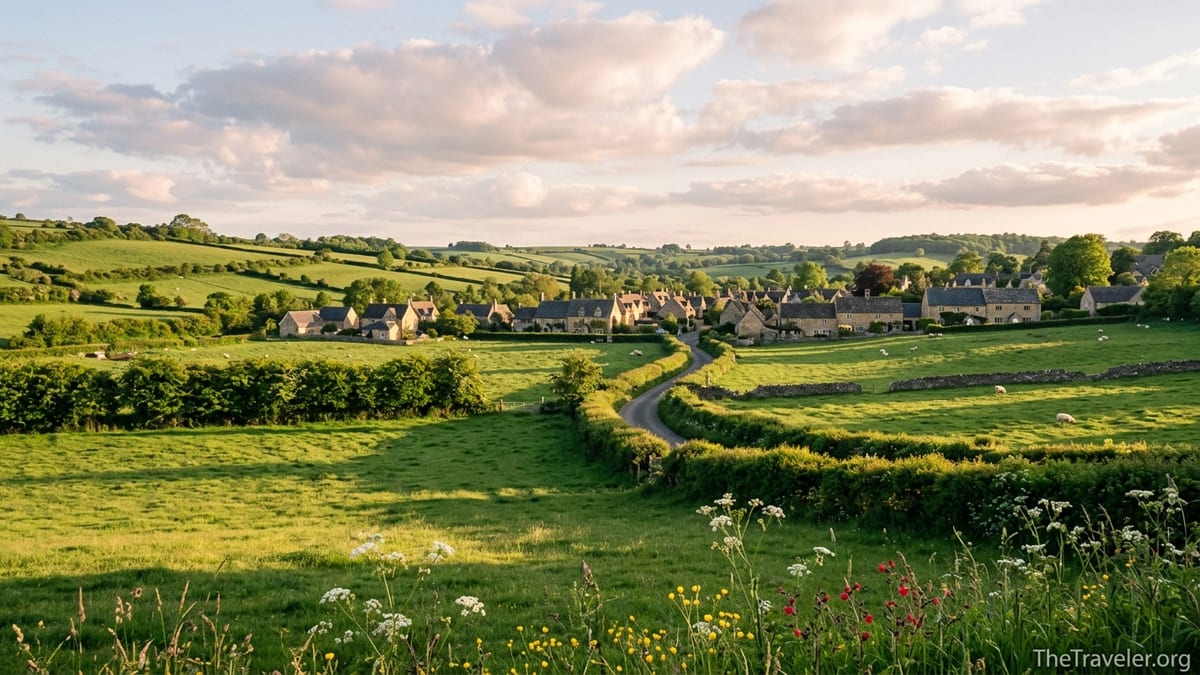
How UK seasons really feel for travelers
The UK has a temperate maritime climate, which means relatively mild temperatures year round, frequent cloud cover and rain that can appear at any time. In London, average daytime highs creep from around the mid 40s Fahrenheit in January to the low 70s in July, then ease back again into the 40s by December. Coastal areas in Cornwall or the Welsh coast tend to be windier and slightly milder in winter, while the Scottish Highlands feel noticeably colder and more exposed.
For visitors, the bigger factor than pure temperature is often daylight. In London in June you can have roughly 16 hours of usable light, with sunset after 9 pm, which is ideal for long walking days and evening pub gardens. In December, daylight can shrink to about eight hours, with dusk mid afternoon, especially in northern cities like Edinburgh and Inverness. That short winter daylight window changes how much you can realistically schedule in a day trip to places like the Lake District or the Yorkshire Dales.
Crowds follow a clear pattern. Peak international tourism runs from roughly late May through early September, spiking during UK school holidays in late July and August when London’s South Bank, Edinburgh’s Royal Mile and popular national parks such as Snowdonia are at their busiest. Shoulder seasons in April, May, September and early October have become more popular in recent years as repeat visitors aim for cheaper rooms and fewer crowds while still getting relatively gentle weather.
Prices for flights and accommodation usually mirror that demand. A midrange boutique hotel in central London that might cost the equivalent of a high three-figure sum per night in August can fall significantly in January or February, especially midweek. In rural areas such as the Cotswolds or the Isle of Skye, small inns and guesthouses often impose minimum stays in high summer, while the same rooms are easier to secure at short notice in late autumn.
Month by month: weather, crowds and costs
January and February are the quietest months across most of the UK. Expect short days, frequent rain and occasional frost, with snow more likely in upland areas such as the Highlands, the Peak District or North Wales. London attractions like the British Museum, Tate Modern and the Tower of London are noticeably less crowded, and you can often find last minute hotel deals near hubs like King’s Cross or Paddington that would be far more expensive in summer. In the countryside, some small B&Bs and rural restaurants close or reduce hours, so check opening times before planning a winter escape.
March brings a gradual shift. Daffodils appear in London’s parks, the South Downs and the gardens of stately homes such as Blenheim Palace. The weather can oscillate between chilly showers and surprisingly mild, sunny days, especially in the south of England. Crowds are still moderate except for Easter, when British families travel domestically and popular spots like Bath, York and the Jurassic Coast fill up. Prices begin to inch upward around that holiday period, particularly for family oriented hotels and city center apartments.
April and May are prime shoulder season for many travelers. In much of the UK, April is often among the drier months, with fresh green landscapes and longer evenings. May is widely regarded by Scotland specialists and outdoor guides as one of the best all round months in the Highlands, with long days, a lower chance of persistent midges compared with later summer, and hillsides starting to turn vivid green. Across the country, countryside hotels in the Cotswolds, Devon and the Yorkshire Dales start charging near summer rates on weekends, but midweek stays can still be relatively good value.
June, July and August are peak season. Daytime highs in London typically sit in the upper 60s to low 70s Fahrenheit on average, but recent years have seen hotter spells and occasional short heatwaves. Cities lay on a dense festival calendar: open air theatre in London parks, food festivals in Bristol and Brighton, and coastal events from Cornwall to Northumberland. School holidays drive up both crowds and prices from late July through August. Edinburgh’s famous festival season in August sends hotel rates in the city center sharply higher, and even budget rooms and short term rentals are often booked many months in advance.
September and October bring a second, softer high point. September can feel like an extension of summer in London and southern England, with relatively warm days but thinner crowds once schools return. In rural England and Wales, hedgerows are heavy with berries and fields are being harvested, making it an excellent time for countryside drives in areas like the Cotswolds, the Chilterns and the Welsh Marches. By late October, cooler air and early autumn storms are more common, but woodland areas such as the New Forest and the Lake District display impressive fall color, and hotel prices usually step down from summer levels.
November and December are dominated by short days and unsettled weather but can be atmospheric for city breaks. November is often damp and grey, and tourism slows outside of cities, bringing lower rates at many hotels. By late November, Christmas markets appear in cities including London, Manchester, Bath and Edinburgh. December city weekends become surprisingly busy with domestic visitors, so while the countryside is quiet and good for off season deals, central London, York or Edinburgh can feel close to peak season around festive dates.
London by season: when it shines and when it drizzles
In London, winter from December through February is cool, often wet but rarely extreme. Daytime highs hover in the mid to upper 40s Fahrenheit, and freezing temperatures are usually reserved for night. This can be a rewarding time for museum heavy itineraries and cozy pub dinners. Neighborhoods like Bloomsbury, South Kensington and Shoreditch feel lived in rather than packed with tour groups, and you can often walk straight into big exhibitions on weekday mornings that need timed tickets in August.
Spring in London, especially late April and May, brings cherry blossoms in Greenwich Park and Kew Gardens, wisteria draped terraces in Notting Hill and Chelsea, and more reliable dry spells for walking along the Regent’s Canal. Outdoor dining scenes in Borough Market and around King’s Cross Granary Square pick up, with heaters still on in the evenings. Hotel prices rise, but you may still find moderate weekend rates in business districts like the City of London and Canary Wharf, where corporate demand is lower outside the workweek.
July and August deliver London’s busiest months. Long queues form outside blockbuster attractions like the London Eye and Madame Tussauds by late morning. The Tube and buses can feel crowded and stuffy during warmer spells, especially on older Underground lines without air conditioning. On the plus side, late sunsets make it easy to combine a full day of sightseeing with an evening stroll along the South Bank, or a sunset picnic on Primrose Hill. Travelers who are sensitive to heat might prefer June or early September, which usually bring warm but more comfortable conditions.
Autumn, from late September through November, offers balanced conditions and a slightly calmer feel. Plane trees along the Thames turn golden, and parks like Hyde Park and Hampstead Heath are ideal for weekend walks. Rainfall can spike in October, so a compact umbrella and a waterproof layer are essential, but mild temperatures mean you can still sit outside at pub terraces in areas like Islington or Soho on better days. December transforms the city with lights along Regent Street and ice rinks at settings such as Somerset House, drawing heavy weekend crowds but creating a distinctly festive atmosphere.
Scotland: timing the Highlands, islands and festivals
Scotland’s weather is more variable and generally cooler than much of England, but the payoff is dramatic scenery that often looks its best in shifting light. Winter, from November to March, brings short days and higher chances of snow on higher ground. In January, sunrise in Inverness can be after 8:30 am and sunset before 4 pm, which limits daylight hours for road trips along routes such as the North Coast 500. On the other hand, this can be a magical time to stay in a Highland lodge with a log fire, visit whisky distilleries on Speyside or Islay, and enjoy near empty glens and beaches.
Spring, particularly April and May, is a favorite for many frequent visitors. Days lengthen rapidly, bluebells carpet woodland areas and there is often a decent run of settled, relatively dry weather compared with later summer. In the Highlands, May can combine long daylight with lower midge activity compared with July and August, making it more pleasant for hiking routes like Glen Coe, the West Highland Way or coastal paths on Skye. Ferry routes to the Hebrides are running regular schedules by this time, but advance bookings for cars are still advisable on popular crossings.
Summer in Scotland is festival season. Edinburgh’s August festivals transform the capital into one of Europe’s busiest cultural hubs, with comedy, theatre and music performances spilling from traditional venues into churches, basements and temporary stages. Accommodation in central Edinburgh can be significantly higher than at other times, and even budget hostels and simple guesthouses fill early. Weather in July and August can be mild and bright, but also prone to showers and low cloud, and midges can be a nuisance around lochs and in forested glens, especially on calm, damp evenings.
Autumn from September into October may be the sweet spot for balancing weather, light and crowds. Hillsides in the Cairngorms and Perthshire turn red and gold, and temperatures are cool but often comfortable for daytime walking. The midge season usually tapers off by late September, making trips to Glenfinnan, Fort William and Skye more comfortable for those sensitive to bites. Hotel rates in Edinburgh and Glasgow generally drop once festival season and the main events calendar ease, meaning you can combine vibrant city dining with manageable day trips into the surrounding countryside.
Countryside, coastline and national parks through the year
England and Wales offer a dense network of national parks and Areas of Outstanding Natural Beauty, each responding differently to the seasons. The Cotswolds and the Chilterns, within a few hours’ drive of London, are popular from April to October for weekend walking breaks and farmhouse stays. In April and May, lambs are visible in the fields and village pubs in places like Bourton on the Water or Burford are busy but not overwhelmed. By July and August, car parks at well known viewpoints can fill by mid morning, and narrow lanes see heavier traffic.
The Lake District and Snowdonia in Wales are classic hiking destinations that remain busy through much of the year. Summer brings the highest footfall on popular trails such as Scafell Pike and Snowdon, while April, May, September and early October are cherished by serious walkers for more stable weather without peak season congestion. Rain is a year round reality in these mountain areas, with some of the highest annual precipitation totals in England and Wales, so investing in proper waterproof boots and a shell jacket is wise regardless of month.
Coastal trips have their own rhythm. Cornwall, Devon and Dorset in southwest England see their liveliest period from late May to early September, with families filling beach towns like St Ives, Padstow and Lyme Regis. Sea temperatures peak in late August and early September, so if you are interested in swimming or surfing, an early autumn visit can combine warmish water with fewer crowds and slightly lower hotel prices. In contrast, the dramatic cliffs of Northumberland or the Gower Peninsula in Wales can feel wild and relatively empty in winter, attracting photographers and hikers more than sunseekers.
Rural infrastructure also fluctuates with the calendar. Farm shops, tearooms and small attractions in places like the Yorkshire Wolds or Norfolk Broads often keep shorter hours or close entirely in January and February, reopening by Easter. Country house hotels sometimes use late winter for refurbishments, reducing capacity. If your heart is set on a specific restaurant with rooms, vineyard or garden, checking its operating season before fixing flights can prevent disappointment and unnecessary extra driving once you arrive.
Festivals, events and how they affect your dates
Major events can transform the feel and cost of a destination in the UK, for better or worse. In London, the period around Wimbledon tennis in late June and early July, as well as large concerts in Hyde Park and events at major stadiums, can tighten availability in neighborhoods with good transport links. Visitors focused on theatre and galleries may prefer to time their stay away from such weekends, while sports fans might happily pay a premium to be in the city for the buzz.
In Scotland, August festival season in Edinburgh is the prime example of an event reshaping a city. During these weeks, hotel rates often climb strongly and even standard chain hotels on the outskirts become expensive relative to the rest of the year. Trains into Edinburgh from Glasgow and other central belt towns can be crowded at peak hours. If you want to explore quieter areas like Fife’s fishing villages or the Borders at this time, it can be sensible to base yourself outside the capital and treat the city as a day trip.
Elsewhere in the UK, regional festivals bring more localized impacts. The Glastonbury music festival in southwest England typically floods surrounding roads and public transport with extra demand for several days, while spring and summer races at Ascot and Cheltenham spike hotel demand in nearby towns. Christmas markets in cities like Bath, Manchester and Birmingham can make late November and early December weekends feel close to high season, with central hotels often charging more than they would in rainy mid November weeks without major events.
For countryside travelers, smaller agricultural shows, food festivals and walking weekends generally have a gentler effect. A village hosting a popular autumn food festival in the Cotswolds might see its limited inns and guesthouses book out early, while nearby villages remain at normal prices. If you have flexible dates, checking local event calendars for your chosen region can reveal whether shifting arrival by a few days might save money or secure a quieter escape.
Winter versus summer travel: trade offs in practice
Summer travel in the UK delivers the longest days, lush green landscapes and the fullest program of outdoor festivals and events. It is the easiest time to string together long walking days in the Yorkshire Dales or coastal path hikes in Pembrokeshire without worrying too much about darkness. Beer gardens in London, Brighton and Bristol are in full swing, and open air events from cinema screenings to theatre and concerts operate most nights. The trade off is cost and crowding: popular viewpoints, train routes and city attractions require more planning, advance booking and patience.
Winter travel, on the other hand, favors atmospheric city breaks and quieter countryside retreats. In January, you may stroll into leading London restaurants for lunch without a reservation, or find discounted midweek spa deals at rural hotels in Yorkshire or the Scottish Borders. Short days naturally limit ambitious driving itineraries, but they also encourage slower travel: long lunches by pub fires, unhurried museum visits and early evenings in historic inns. Weather is more likely to disrupt rural plans at this time, especially in upland areas where snow or ice can affect smaller roads.
For first time visitors hoping to cover London, at least one other English city and part of Scotland in a single trip, the most balanced months are often May, June, September and early October. These periods combine generally mild temperatures, long enough days for intercity travel and sightseeing, and slightly more moderate pricing than peak August. Repeat visitors who have already seen the major sights might deliberately aim for November or February to experience London’s theatre season, Edinburgh in the frost, or storm watching on the Cornish or Northumberland coasts.
Your own priorities should drive the choice. If your dream is picnicking in London’s parks, boat trips on Lake Windermere and evenings on pub terraces, lean strongly towards late spring through early autumn. If you prefer quiet streets, lower prices and the cosy side of British culture, consider winter or late autumn and plan your days with the early sunset firmly in mind.
The Takeaway
There is no single “best” month to visit the United Kingdom. Instead, there are better months for different kinds of trips. High summer from June to August offers maximum daylight, full festival calendars and generally warm conditions, but comes with the heaviest crowds and highest prices, especially in London, Edinburgh and headline national parks. Shoulder months in spring and early autumn strike a popular balance, giving you decent weather, long enough days and more manageable visitor numbers.
Winter and late autumn are not off limits. They reward travelers who enjoy atmospheric cityscapes, quiet museums, coastal storms and roaring pub fires far more than sunbathing. In return for accepting shorter days and changeable weather, you gain easier last minute bookings, better value hotel rates and the chance to see destinations like Bath, York or St Andrews in a more local rhythm. If your schedule is flexible, sketch your ideal style of trip first, then map it onto the UK calendar rather than picking a random month and hoping for the best.
Whatever time you choose, pack for layers, carry a compact umbrella, and build some flexibility into your plans. A day that starts rainy in the Lake District can end in sparkling sunshine over the fells, and a grey morning in London may clear to a luminous late afternoon along the Thames. Timing your trip thoughtfully simply tilts the odds in your favor so that the UK’s famously changeable weather becomes part of the experience rather than an unwelcome surprise.
FAQ
Q1. What is the overall best month to visit the UK for most travelers?
There is no single winner, but May and September are often the most balanced months, with relatively mild weather, long days and lighter crowds than peak summer.
Q2. When is the cheapest time of year to visit the UK?
Generally January, February and early March offer the best value for flights and hotels, especially midweek and outside school holidays, though some rural businesses reduce hours or close.
Q3. Which month has the best weather for London specifically?
Late May, June and early September usually bring a good mix of warmth and daylight without the most intense summer crowds or the highest likelihood of heatwaves.
Q4. When is the best time to visit Scotland for scenery and hiking?
April, May, September and early October are excellent for hiking, with long enough days, vivid landscapes and usually fewer midges and crowds than in high summer.
Q5. What is the best time for countryside and Cotswolds trips?
Late April through June brings fresh greenery and lambing season, while September and early October offer harvest scenes and softer light for driving and walking.
Q6. When is the sea warmest for UK coastal trips?
Sea temperatures typically peak in late August and early September, which is why early autumn can be a good time for swimming or surfing in places like Cornwall or Devon.
Q7. Is winter a good time to visit the UK at all?
Yes, winter can be ideal for city breaks focused on museums, theatre and food, with lower prices and fewer tourists, as long as you plan around shorter daylight and pack warm layers.
Q8. When should I visit to avoid the biggest crowds?
To avoid peak crowds, steer clear of late July and August and major holiday periods, and aim for early spring, late autumn or midwinter weekdays in cities.
Q9. What is the best time to experience UK festivals?
Summer, especially June through August, has the densest festival calendar, with Edinburgh’s August festivals and numerous music and cultural events across England and Wales.
Q10. How far in advance should I book for August in London or Edinburgh?
For August, especially during Edinburgh’s festival season or around major London events, booking accommodation three to six months ahead is sensible, and even earlier for popular smaller hotels.