


Planning a first trip to England can feel overwhelming. London alone could fill a week, yet many of the country’s best experiences lie in its historic cities, green countryside, dramatic national parks and varied coastlines. This guide brings together current, on-the-ground insight to help first-time visitors understand where to go, how to get around, what things really cost and how to build a realistic itinerary that matches both your budget and travel style.
Understanding England’s Regions: Beyond Just London
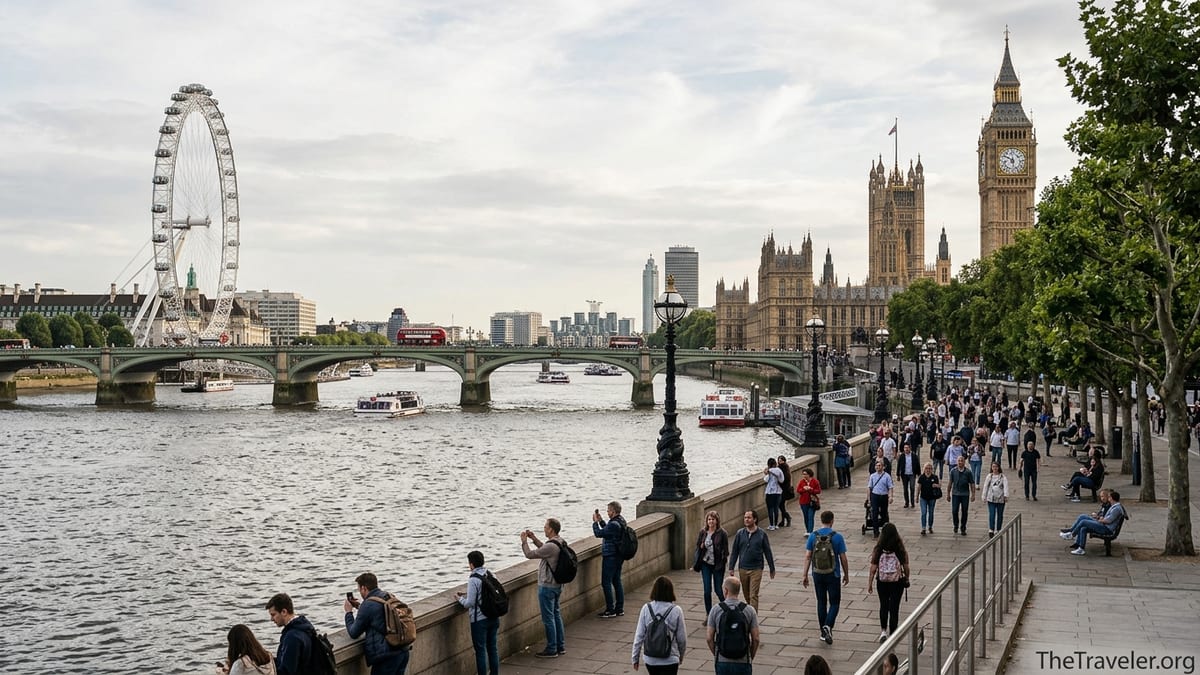
Most first-time visitors focus on London, and for good reason. The capital is home to headline sights such as the Tower of London, Westminster Abbey, Buckingham Palace and the British Museum, along with major theatre around the West End and shopping districts like Covent Garden and Oxford Street. For many travellers, three full days is a practical minimum to see key highlights without rushing, while five days allows time for neighbourhood wandering in areas such as Notting Hill, Shoreditch or Greenwich.
Yet England is far more varied than its capital. To the west, cities like Bath and Bristol offer grand Georgian architecture and street art culture, while the Cotswolds villages of Bibury, Bourton-on-the-Water and Stow-on-the-Wold show off the country’s honey-stone cottages and pub gardens. North of London, university cities such as Oxford and Cambridge make classic day trips, with college courtyards, riverside punting and walkable historic centres.
Further north and west, England becomes noticeably hillier and less densely populated. Manchester and Liverpool anchor the northwest with industrial heritage and major football clubs, while Leeds and York serve as gateways to the Yorkshire Dales and North York Moors. In the southwest, Devon and Cornwall offer surf beaches, fishing harbours such as St Ives and Padstow, and walking along the South West Coast Path. If you have seven to ten days, combining London with at least one other region gives a much more rounded picture of the country.
Because distances are relatively short by North American standards, first-timers often underestimate travel time. A train from London to York is only about two hours, but reaching smaller towns often requires slower regional trains or buses. When planning, allow half a day each time you change bases, especially if travelling in school holiday periods when services are busier.
England’s rich history is visible almost everywhere, from Roman walls in Chester to Norman cathedrals in Durham and medieval street grids in cities such as York and Canterbury. For a first visit, choosing one or two historic centres to pair with London usually works better than trying to tick off many cities at once. This approach cuts down on hotel changes and lets you experience mornings and evenings when day-trippers have gone.
Historic Cities and Storybook Villages
York is one of the best introductions to historic England for first-time visitors. Behind its medieval city walls lie narrow lanes like the Shambles, timber-framed buildings, and York Minster, one of Europe’s great Gothic cathedrals. A typical day might include a guided walking tour, a visit to the Jorvik Viking Centre or National Railway Museum, and an evening drink in a pub that claims centuries of history, such as those around Goodramgate or Stonegate.
Bath, around 90 minutes by train from London, combines Roman bathing complexes with Georgian crescents built in honey-coloured limestone. Many visitors tour the Roman Baths, then walk up to the Royal Crescent and Circus, and perhaps spend a couple of hours at a modern spa with rooftop thermal pools that overlook the city’s skyline. Because Bath is compact, one or two nights is usually enough, but staying allows you to enjoy early mornings before day tours arrive from London.
Smaller cathedral cities make atmospheric stops as you loop around England. Canterbury in Kent has a famous cathedral and cobbled streets along the River Stour. Chester, near the Welsh border, is known for its Roman walls and the Chester Rows, covered medieval walkways that now house shops and cafes. Both are straightforward rail journeys from major hubs and can be part of an itinerary that links London with northern or western regions.
For a storybook village experience, the Cotswolds remain the classic choice. Places like Bourton-on-the-Water, Upper and Lower Slaughter and Painswick feature stone cottages, village greens and cosy inns. Public transport between Cotswolds villages is limited, so this is one part of England where hiring a car is particularly useful. Many visitors base themselves in a market town such as Moreton-in-Marsh or Chipping Campden for two or three nights and take short drives or local walks each day.
National Parks, Countryside and Coastlines
England’s national parks are “living landscapes” with farms, villages and long-distance trails rather than untouched wilderness. The Lake District in Cumbria is perhaps the most famous, with lakes such as Windermere and Derwentwater surrounded by fells, dry-stone walls and traditional slate-roofed villages. A typical first visit might involve basing in Keswick or Ambleside, taking a boat trip, enjoying a low-level lakeside walk and, for the energetic, climbing a fell such as Catbells for panoramic views.
Closer to major northern cities, the Peak District spans several counties and offers distinctive gritstone edges, limestone dales and rolling farmland. Visitors often reach it by train from Manchester or Sheffield to villages like Edale or Hope, then spend the day walking to viewpoints such as Mam Tor. Compared with the Lake District, the Peak tends to feel slightly less remote and is easier to access by public transport, making it more practical for travellers who prefer not to drive.
The Yorkshire Dales provide another take on English countryside, with green valleys cut by dry-stone walls, sheep-dotted hills and waterfalls such as Aysgarth Falls. Market towns like Skipton and Settle serve as gateways, and the Settle to Carlisle railway offers a scenic journey across viaducts and moorland. The South Downs National Park in the southeast features chalk hills and dramatic white cliffs near the coast at Seven Sisters, reachable from towns such as Lewes and Eastbourne.
Coastlines are just as varied. Cornwall in the far southwest has sandy beaches, surf breaks around Newquay and Perranporth, and picturesque harbours such as St Ives and Mousehole. Devon mixes sandy bays with the wilder cliffs of Exmoor and Dartmoor. On the opposite side of the country, Northumberland’s coast feels wide-open and often quieter, with castles like Bamburgh rising directly from dunes. First-time visitors with ten days or more might combine London, one historic inland city and a coastal region, accepting that reaching Cornwall or Northumberland from London usually takes four to six hours by train.
Where to Stay: From London Hotels to Country Inns
Accommodation in England ranges from simple budget rooms to high-end hotels and country-house stays. In London, international chains cluster around major stations and business districts, while smaller boutique hotels and serviced apartments line residential streets in areas such as Bloomsbury, Kensington and Marylebone. Budget-conscious travellers often look at limited-service chains such as Travelodge, Premier Inn and easyHotel, where advance midweek rates can sometimes fall under 80 to 100 pounds per night for a basic double, especially outside peak summer or Christmas periods.
In smaller cities and towns, traditional bed-and-breakfasts remain common. A typical B&B in somewhere like Bath, York or the Cotswolds might include a private room with en-suite bathroom, cooked breakfast and helpful local advice from the owner. Nightly rates vary widely but often fall in the range of 90 to 160 pounds for two people, depending on location and season. Many visitors appreciate B&Bs for their personal feel and the chance to experience residential neighbourhoods a short walk from historic centres.
In rural areas, pubs with rooms and country inns offer an atmospheric alternative to standard hotels. For example, a village pub in the Peak District or Yorkshire Dales might have half a dozen rooms upstairs and a restaurant serving local ale and hearty dinners downstairs. Walking-focused travellers often choose these as base camps, then leave their car or catch local buses to trailheads. Self-catering cottages are also popular for longer stays, especially in the Lake District or Cornwall, allowing travellers to cook some meals and spread out with more space.
Apartment rentals can be convenient in big cities and holiday towns, but first-time visitors should check for clear cancellation terms, verify that the property complies with local regulations and consider the impact on residential housing. In London, staying near a Tube or commuter rail station is often more important than being close to a single tourist sight, as the Underground network makes it easy to cross the city quickly.
Getting Around: Trains, Buses and Driving
England’s rail network is extensive by worldwide standards and is usually the most efficient way for visitors to move between major cities. Fast trains link London with destinations such as Manchester, York, Bath and Exeter, often departing every hour or better during the day. Buying tickets in advance for specific trains usually works out cheaper than paying flexible walk-up fares on the day. Travellers who are planning several long-distance journeys over a short period sometimes look at products such as BritRail passes, while others combine advance tickets with regional day passes for local travel.
For frequent users, railcards can offer around one-third discounts on many fares for a yearly fee. These are generally aimed at residents, but an International or visitors’ railcard product is sometimes available, and some types can be purchased by eligible overseas visitors who provide proof of age or student status. If you are under 30, travelling with children or in a couple, it is often worth checking whether a railcard would pay for itself over the course of your trip. Local day ranger tickets in some regions can also provide unlimited off-peak travel within a defined area for a fixed price.
Within London, the easiest way to travel is usually by contactless bank card, mobile payment or an Oyster card. You tap in and out on the Tube, Docklands Light Railway and many National Rail services within the city, and tap only once when boarding a bus. Daily and weekly caps help keep costs under control, so a typical visitor using a mix of buses and Underground may find their weekday transport costs capped at around the level of a zone-based Travelcard. Children get reduced or free fares with the correct passes, and almost all central London attractions are within zones 1 and 2.
Driving can be useful in rural regions such as the Cotswolds, Devon, Cornwall or the Yorkshire Dales, particularly if you want to visit smaller villages and trailheads beyond the reach of public transport. Remember that cars drive on the left, many rural roads are narrow and hedged, and parking in historic centres can be limited and expensive. In cities, driving is generally more stressful than useful. Central London has a congestion charge area that applies on many days and low-emission zones that can affect certain vehicles. For a first visit, many travellers choose to avoid hiring a car until they leave London, then collect it from a suburban or airport location with easier road access.
Weather, Seasons and What to Expect
England’s weather is famously changeable, so flexibility is key. Winters, from December to February, are generally cold and damp rather than extremely snowy. Daytime temperatures in London often hover just above freezing to around 8 degrees Celsius, with shorter daylight hours. In the north and higher ground such as the Lake District or Peak District, winter days can feel raw, windy and occasionally icy underfoot, although heavy snow that disrupts travel is not common every year.
Spring, from March to May, brings longer daylight and milder temperatures, but showers remain frequent. By late April or May, parks in London and university cities are typically green and in bloom, and countryside footpaths can still be muddy in places. Many travellers consider late spring one of the best times to visit, with pleasant temperatures and slightly fewer crowds than high summer, especially if you avoid Easter holidays and early May public holiday weekends.
Summer, particularly July and August, sees the warmest temperatures and the highest visitor numbers. Daytime highs in London often sit in the low to mid-twenties Celsius, with occasional hotter spells. Coastal areas like Cornwall and Devon may still feel cool in the evenings, especially when sea breezes pick up. National parks can be busy on school holiday weekends, and accommodation prices in popular areas tend to climb. Booking key trains and stays well ahead is wise if you plan to travel during this period.
Autumn, from September into early November, is another rewarding season, with softer light, autumn colours in national parks and often more stable weather than spring. Early autumn trips to cities such as York or Bath can be particularly pleasant. Whatever the season, first-time visitors should pack layers, a waterproof jacket with hood, and comfortable waterproof footwear. Even in summer, you may experience cool, damp days in northern and western regions, while a compact umbrella can be useful in cities.
Typical Costs and Budgeting for a First Trip
Prices in England, particularly London, can surprise first-time visitors, but careful planning makes it easier to manage costs. For accommodation, a mid-range hotel or B&B in central London often runs from roughly 160 to 250 pounds per night for a double room, depending heavily on season and how far in advance you book. Budget chains and rooms a little further from the very centre, yet still close to a Tube line, can sometimes be found under 120 pounds per night outside the busiest dates.
Restaurant meals vary widely. A casual lunch of a sandwich or salad, drink and perhaps a pastry from a bakery chain or supermarket might total 8 to 15 pounds. A sit-down dinner at a mid-range restaurant in London or a major city, including a main course and a drink, can often land in the area of 25 to 40 pounds per person, with higher prices at fashionable or central venues. In pubs, a main dish such as fish and chips or a pie might cost somewhere in the teens, and soft drinks or a pint of beer add several pounds more. Self-catering some meals from supermarkets can significantly cut overall food costs, especially for families or longer stays.
Sightseeing costs depend heavily on your interests. Many of England’s top museums, including the British Museum, National Gallery and Tate Modern in London, have free general admission, although special exhibitions may charge. Paid attractions such as the Tower of London, St Paul’s Cathedral or certain royal palaces often fall in the range of 25 to 35 pounds per adult ticket. Outside London, cathedral entry, historic houses and specialty museums may charge more modest fees, but costs can add up if you plan many visits in one trip.
Travel passes and memberships can help. In London, using daily fare caps with contactless or Oyster often works out cheaper and more flexible than buying separate paper tickets. Travellers who plan to visit several historic sites looked after by organisations such as English Heritage sometimes purchase short-term passes designed for overseas visitors, giving entry to multiple castles, abbeys and ruins over a fixed period. When estimating an overall daily budget in pounds, many first-time visitors find that a realistic mid-range figure, excluding flights, might run from around 130 to 220 pounds per person per day, depending on accommodation choices and how many paid attractions and restaurant meals you include.
Planning Your First-Time England Itinerary
Constructing a first-time itinerary starts with honestly assessing how fast you like to travel. Many visitors from larger countries underestimate both jet lag and the fatigue that comes from moving bases too frequently. As a rule of thumb, spending at least two or three nights in each location makes for a more relaxed trip and allows you to experience morning and evening atmospheres, not just daytime crowds.
A classic ten-day first-time itinerary might begin with four nights in London, enough time to see major sights, take a Thames riverside walk and schedule an evening at the theatre. From there, you could travel by train to Bath for two nights, exploring the Roman Baths and Georgian architecture, then continue to the Cotswolds or Oxfordshire countryside for two or three nights based in a market town. The final night could be spent back near your departure airport or in a city like Windsor or Cambridge that is convenient for onward travel.
Travellers who prefer the north might pair London with York and the Lake District. After three or four nights in the capital, you could take the fast train to York for two nights to explore medieval streets and the Minster, then continue by rail and bus to a Lake District village such as Windermere or Keswick for hiking, boat trips and country pubs. This combination delivers a balance of city culture and outdoor landscapes within a two-week timeframe.
When booking, pay attention to UK school holidays and public holidays, as these affect crowd levels and prices. Summer school holidays typically stretch from late July through August, while long weekends cluster around late May and late August. If you prefer quieter paths and easier restaurant reservations, aim for shoulder-season dates in late April, May, September or early October. Building some weather flexibility into your plans helps: for example, scheduling indoor museums and historic houses for days when the forecast looks wet, and saving national park hikes or coastal walks for clearer days.
FAQ
Q1. How many days should a first-time visitor spend in England?
For a first trip focused on England alone, around 10 to 14 days works well. This usually allows four or five nights in London, plus time for at least one or two other regions such as a historic city and a countryside or coastal area without rushing constantly between bases.
Q2. Is it worth leaving London on a short trip?
Yes, even with only five or six days you can experience more than London. Many visitors spend three or four nights in the capital, then add one or two nights in a nearby city such as Bath, Oxford, Cambridge or Brighton. Fast rail links make these add-ons practical, and they provide a useful contrast to the pace and density of London.
Q3. Do I need a car to explore the English countryside?
You do not need a car everywhere, but it can be very helpful in rural regions. National parks like the Peak District and parts of the Lake District have decent bus and train connections to popular trailheads, while areas with scattered villages such as the Cotswolds or much of Cornwall are easier with a car. Many first-time visitors combine trains for long distances with a few days of car hire in one countryside region.
Q4. How expensive is England compared with other European countries?
England, and particularly London, is generally among the more expensive destinations in Europe for accommodation and some restaurant meals. That said, the wide availability of free museums, public parks and reasonably priced pub food or supermarket meals helps keep everyday costs manageable. Staying slightly outside the most central neighbourhoods and using public transport can also stretch your budget.
Q5. What is the best time of year for a first visit?
Late spring and early autumn often offer the best balance of weather and crowd levels. May, June, September and early October typically bring mild temperatures and long daylight hours without the peak summer crowds of late July and August. Winter trips can be atmospheric in cities, with Christmas markets and festive lights, but days are short and countryside paths can be muddy or slippery.
Q6. Is public transport safe and easy to use for visitors?
Public transport in England is generally safe and widely used by locals. Trains and buses can be busy at weekday rush hours, but outside those times most visitors find them straightforward with a bit of advance planning. In London, following station signs for lines and platforms, tapping in and out correctly, and avoiding peak commuter hours where possible makes journeys smoother.
Q7. Should I buy rail tickets in advance?
Booking long-distance train tickets in advance usually saves money compared with flexible walk-up fares, especially on popular routes between London and major cities. Advance tickets are tied to specific trains and are best suited to sections of your itinerary that are unlikely to change. For shorter regional journeys, buying tickets on the day often works fine, and in London you simply tap in and out with contactless or Oyster rather than buying point-to-point paper tickets.
Q8. How much cash do I need in England?
England is highly card-friendly, and many businesses prefer or only accept card or contactless payments. It is still useful to carry a small amount of cash for occasional uses, such as very small independent shops, rural pub car parks or local markets. For most visitors, keeping enough cash for a day or two of minor expenses, and using cards for larger purchases and transport, is sufficient.
Q9. Is tipping expected in restaurants and pubs?
Tipping practices are modest compared with some countries. In sit-down restaurants, a service charge of around 10 to 12.5 percent is often added to the bill; if not, leaving a similar amount in cash or by adjusting the card payment is customary when service is good. In pubs, people usually do not tip for drinks ordered at the bar, though you might occasionally say to the bartender to keep the change after paying with cash or add a small extra amount if ordering table food and receiving table service.
Q10. Is England a good destination for solo travellers?
Yes, England is generally welcoming and practical for solo travellers. Well-developed public transport, widespread English-language signage, and a culture of solo dining in pubs and cafes make it relatively easy to navigate alone. Booking centrally located accommodation, joining occasional small-group walking tours or day trips, and staying in well-lit areas at night help solo travellers feel confident while exploring.