


Combining Edinburgh with the Scottish Highlands is one of the most rewarding trips you can take in the United Kingdom. With a bit of planning, you can see the cobbled streets and castles of the capital, then be driving or riding past moody lochs, craggy peaks and remote glens the very next day. This guide lays out practical 5, 7 and 10 day itineraries that join Edinburgh with Glencoe, Fort William, Loch Ness, Inverness and classic Highland scenery, using rental cars, trains or guided tours so you can match the route to your comfort level and budget.
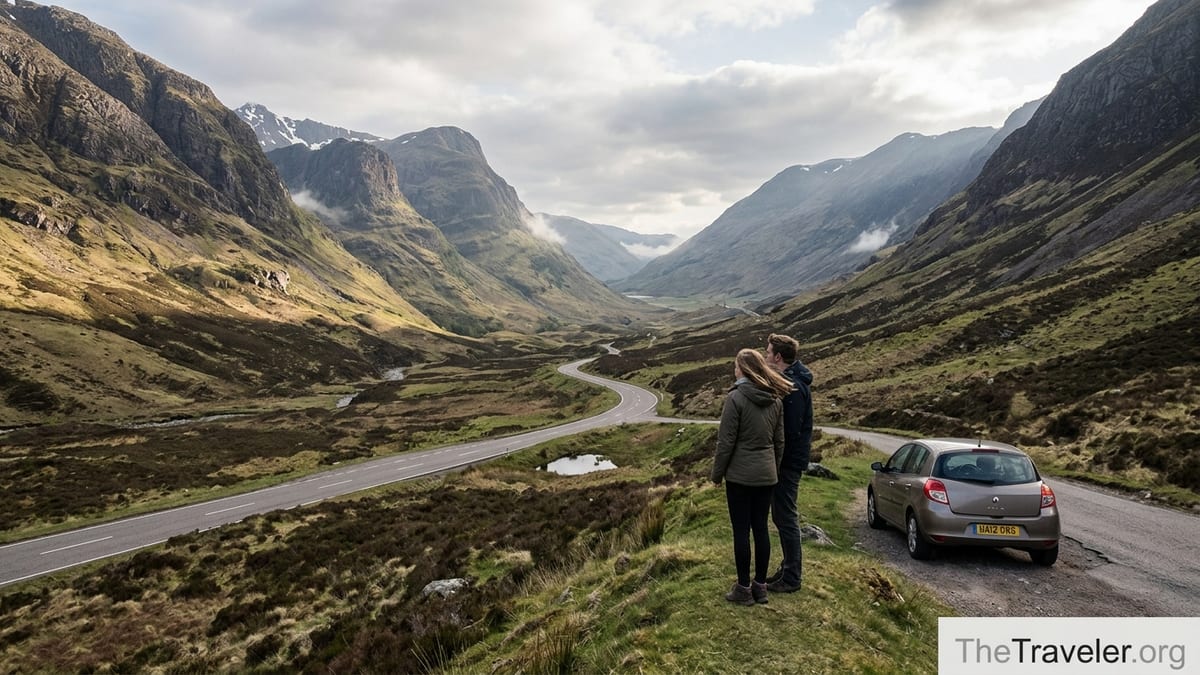
How to link Edinburgh with the Highlands in one trip
Most travelers start or finish in Edinburgh because it is a major international gateway with frequent flights and fast rail connections from London and northern England. From Edinburgh, the Highlands unfold in several directions, but for a first trip focused on Glencoe, Fort William, Loch Ness and Inverness, the most logical pattern is a broad loop: Edinburgh to Glencoe and Fort William, then up the Great Glen past Loch Ness to Inverness, and finally back to Edinburgh via the Highland Main Line or A9 road.
Driving is the most flexible option. The run from Edinburgh to Glencoe typically takes around 3 hours in normal traffic via the M9 and A82, covering roughly 115 miles of gradually more dramatic scenery, with Stirling Castle and the Trossachs as easy stops. Continuing from Glencoe to Fort William is another 30 minutes by car, and from Fort William to Inverness via the Great Glen it is around 2 hours. This means that even on a short 5 day trip you can realistically visit Edinburgh, Glencoe, Fort William and Loch Ness without spending all day in transit.
If you prefer not to drive on rural roads, trains and buses cover most of the same ground. Direct trains from Edinburgh Waverley to Inverness typically take between about 3 hours 15 minutes and 3 hours 45 minutes, with several departures a day operated mainly by ScotRail and some longer distance services. From Inverness, buses and local tours fan out to Loch Ness, Fort Augustus and Urquhart Castle, while the famous West Highland Line links Glasgow with Fort William and Mallaig. Many travelers who are nervous about renting a car will combine one or two key rail legs with day tours, for example using Inverness as a base for Loch Ness and Culloden.
Organized tours can stitch together the highlights too, especially if you are short on time. Multi day itineraries commonly leave Edinburgh early in the morning in small 16 seat coaches, cross Rannoch Moor and Glencoe, overnight in Fort William or Portree on Skye, then loop back via Loch Ness and Inverness. Prices change seasonally, but as a rough reference, a three day Highlands and Skye tour from Edinburgh including accommodation often runs in the range of 350 to 550 pounds per person depending on room type and season. Day tours to Loch Ness from Inverness, including a short cruise on the loch, commonly cost in the region of 60 to 100 dollars per adult.
5 day Scotland itinerary: Edinburgh and the Great Glen
A five day trip is tight but very doable if you prioritize. Think of this as “Edinburgh plus a Highlands taster,” focusing on Glencoe, Fort William and Loch Ness without trying to see every corner of the map. It works best by car, though with careful planning it can be adapted using trains and tours based in Inverness.
On day 1, arrive in Edinburgh and stay in or near the Old Town so you can explore on foot. Spend your limited time on high impact sights within walking distance of each other: Edinburgh Castle, the Royal Mile, the National Museum of Scotland and Calton Hill. Expect central hotel prices to vary widely, from budget chain rooms in the 80 to 160 pound range in shoulder season to much more in August during the festivals. If you want a quieter base, consider New Town guesthouses around Queen Street or Broughton.
On day 2, pick up a rental car near Edinburgh Waverley or the airport and drive to Glencoe. Many major agencies operate out of the city and airport, with compact manual cars often starting from around 40 to 60 pounds per day in low season before insurance, and automatic models somewhat higher. As you follow the A82 north, plan a break in Callander or near Loch Lubnaig, then continue past Crianlarich to Rannoch Moor and into the dramatic valley of Glencoe. Consider staying in or near the village of Glencoe or Ballachulish, where you can find small inns, B&Bs and a couple of larger hotels at a range of price points.
Day 3 is your chance to hike or simply soak in the Highland atmosphere around Glencoe before moving on to Fort William. Short walks such as the Glencoe Lochan circuit or the Lost Valley path give big scenery in a half day. After lunch, drive the short stretch to Fort William, the self proclaimed “Outdoor Capital of the UK.” Overnight here to position yourself for either a ride on the Jacobite steam train towards Mallaig, a ride on the Nevis Range mountain gondola or low level walks under Ben Nevis. Tickets for the Jacobite steam train, when available, are typically in the ballpark of 70 to 90 pounds per adult for a return journey, and often sell out months ahead in summer.
On day 4, follow the Great Glen towards Loch Ness. It is practical in one day to travel from Fort William through Spean Bridge to Fort Augustus, perhaps taking a one hour Loch Ness cruise from the canal-side pier, then continue along the loch’s western shore past the ruins of Urquhart Castle and on to Inverness. Local cruise operators based in Fort Augustus commonly offer one to two hour trips on the loch, with adult tickets often around 20 to 35 pounds depending on season and vessel. Spend the evening in Inverness, walking the River Ness paths or sampling a whisky in a traditional pub near the Victorian Market.
On day 5, return to Edinburgh. If you are driving, the most direct route follows the A9 south via Aviemore and Pitlochry, taking around 3 hours without stops. Scenic pauses could include the Cairngorms mountain resort area, the village of Dunkeld or a distillery tour near Pitlochry. If you prefer to return the rental car in Inverness, you can then take an afternoon train back to Edinburgh, arriving in time for dinner near Princes Street before an overnight in the city or your onward journey.
7 day itinerary: deeper into Glencoe and Loch Ness
With a full week, you have the freedom to slow down, add a second night in Edinburgh or the Highlands, and build in weather flexibility. The route remains broadly the same loop, but you can spend more time in outdoor areas or add side trips such as the Road to the Isles or Culloden Battlefield.
One common pattern is to spend two nights in Edinburgh at the start. Use day 1 to arrive and settle, then day 2 for a more relaxed exploration of the city, perhaps adding a tour of the Palace of Holyroodhouse or a hike up Arthur’s Seat if the weather cooperates. Many visitors enjoy an evening whisky tasting on the Royal Mile or a small group food tour that focuses on Scottish produce and seafood; these typically cost in the region of 60 to 120 pounds per person depending on inclusions.
On day 3, drive from Edinburgh to Glencoe as described previously and stay two nights in the area. This gives you a full free day 4 for either hiking, a guided mountain activity or a wet weather alternative such as a visit to the Glencoe Visitor Centre, which explains the geological and human history of the glen. If you would like a guided experience, local operators near the village run small group walks and photography workshops that start roughly in the 60 to 100 pound per person range for a half day, focused on well known viewpoints such as the Three Sisters or Buachaille Etive Mor.
On day 5, travel from Glencoe to Fort William and allow time for a side trip. You might book the morning Jacobite steam train towards Mallaig, giving you a few hours at the coast near the small port and silver sand beaches, including views of the Glenfinnan Viaduct made famous by the Harry Potter films. Alternatively, if you prefer to keep driving, you could follow the A830 as a road trip to Arisaig and Mallaig in your own car, making photo and beach stops along the way. Stay in Fort William again that evening, noting that summer hotel and guesthouse rates here can spike due to high demand from hikers and rail passengers.
On day 6, head up the Great Glen to Loch Ness and Inverness. With more time than in the 5 day version, you can consider stopping not only in Fort Augustus but also at Urquhart Castle for a couple of hours. The castle is a popular paid attraction with parking, visitor facilities and access down to the shore of the loch. Evening in Inverness can include dinner in one of the riverside restaurants on the Ness, or a stroll across the suspension bridges to the Ness Islands, a tranquil green space in the middle of the river.
Day 7 is effectively your “Highland bonus day.” You could stay based in Inverness and take a day tour that combines Loch Ness with the Culloden Battlefield and Clava Cairns, which are important sites in Jacobite and prehistoric history just east of the city. Typical full day coach or minibus tours from Inverness covering these highlights often sit in the approximate 80 to 130 dollar range per person. Alternatively, self drivers could head into the Cairngorms National Park for hiking around Aviemore, or even make a long circular drive via the Black Isle and coastal villages such as Cromarty before returning to Inverness or back south towards Edinburgh.
10 day Scotland itinerary: a fuller Highlands loop
With 10 days, you can transform a simple out and back into a more satisfying loop that spends real time in both the city and the Highlands. This longer version suits travelers who want to mix hiking, scenic drives, historic sites and some downtime in smaller towns. It also gives a better margin for typical Highland weather, which can change several times a day even in July and August.
One balanced 10 day pattern might be: two nights in Edinburgh, two nights in Glencoe, two nights in Fort William, two nights in Inverness and two nights somewhere along the return route such as Pitlochry or the Cairngorms area. This spreads out the driving so that most days involve between one and three hours on the road, leaving plenty of time for short walks and attractions. Using a rental car for the whole loop is the simplest approach, but if you prefer rail, you could combine the Edinburgh to Inverness line with a separate trip from Glasgow to Fort William on the West Highland Line, linking the two with a coach service across the Great Glen.
Extra days allow for more ambitious walks or additional experiences. Around Glencoe, stronger hikers might plan a Munro such as Buachaille Etive Beag with a local guide, or tackle all day ridge walks if conditions and experience allow. In Fort William, you could spend an entire day at Nevis Range using the gondola to access higher paths and viewpoints, or plan a guided canoe or kayaking session on nearby lochs. Prices for half day outdoor activities around Fort William often start around 50 to 80 pounds per person, with specialist mountaineering instruction higher.
Inverness also rewards a slower pace on a 10 day itinerary. Use one day for Loch Ness and nearby attractions, then dedicate another to the east, visiting Culloden, the Clava Cairns and perhaps Cawdor Castle in season. If you want a different flavor of Highland town, you might use one of your nights to stay in a smaller place such as Grantown on Spey, Kingussie or a village in Speyside, where historic hotels and inns serve as bases for distillery visits and gentle river walks. Driving distances in this pocket of the Highlands are modest, generally one to two hours between major sights, but road conditions and weather can slow progress.
On the final leg back to Edinburgh, a two night stop in Pitlochry or nearby towns such as Dunkeld can be appealing. This central belt area offers attractions like riverside walks on the River Tummel, visits to hydroelectric dams with salmon ladders, and tours at long established whisky distilleries. From Pitlochry to Edinburgh by car normally takes around 1 hour 45 minutes to 2 hours, and trains on the Highland Main Line connect the town directly with the capital in roughly the same time. Aim to arrive back in Edinburgh the day before your international flight whenever possible, to give yourself a buffer against unexpected road closures or rail disruptions.
Driving vs trains vs tours in the Scottish Highlands
Selecting how you move between Edinburgh and the Highlands will shape the feel of your trip. Driving suits travelers who want flexibility to stop at viewpoints, chase good weather to different glens and reach trailheads not served by buses. You will encounter single track stretches with passing places, sheep or deer near the road and changeable weather, so confidence with rural driving is important. Renting a compact car with full insurance and adding a second named driver is a common choice for couples who want to share the load on longer days or in poor visibility.
Trains are the most relaxing way to cover longer distances if you are content to rely on occasional buses or tours for last mile access. The line between Edinburgh and Inverness, for example, crosses the Forth Bridge, climbs through the Cairngorms foothills and passes stations such as Aviemore and Pitlochry that work well as bases. Standard advance fares on this route can sometimes drop to levels comparable with fuel and parking for two people, while first class tickets, at a higher price, may include larger seats and complimentary refreshments on selected services. Using rail passes can be worthwhile if you intend to make multiple intercity journeys within a week.
Tours are ideal for those who dislike logistics or want to cover a large amount of scenery in a short time. From Edinburgh, you will find everything from long single day coach trips to Loch Ness and back, to three, four and even five day small group itineraries that include Skye or the far north. Day tours tend to start very early, often between 7 am and 8 am from central pick up points near Edinburgh’s Old Town, and return in the evening after 8 pm. While they can feel intense, they do remove worries about rural driving, route finding and parking at popular spots such as Glencoe viewpoints or Urquhart Castle.
In practice, many visitors mix modes. For example, one realistic plan is to take the train from Edinburgh to Inverness, spend a few nights taking day tours to Loch Ness and the surrounding area, then rent a car in Inverness for two or three days to explore quieter parts of the Highlands before returning the vehicle and taking the train south again. Another approach is to base in Edinburgh without a car, join a three day Highlands and Skye coach tour that includes Glencoe, Fort William and Loch Ness, then return to Edinburgh for a final night or two before departure.
Practical planning tips for your Scotland route
Weather, daylight and crowd patterns all influence how enjoyable your Edinburgh and Highlands itinerary will be. July and August bring long days and the full festival season in Edinburgh, but also the highest accommodation costs and busiest roads and walking paths. May, June and September can be a sweet spot for many visitors, with relatively long daylight, often slightly more stable weather and somewhat lower rates outside of peak festival weeks. Winter travel is possible but requires much more flexibility due to shorter days, the possibility of snow on higher roads and limited tour schedules.
Accommodation in smaller Highland towns can book out months ahead for prime summer weeks. In Glencoe and Fort William in particular, it is sensible to reserve well in advance if your dates are fixed, especially if you need family rooms or specific facilities. Inverness has a broader range of hotels and guesthouses, from international chains near the river and train station to independent B&Bs, but still fills up during popular events or school holidays. In Edinburgh, consider staying slightly outside the very center and using local buses or walking to keep costs down during festival season.
Budgeting for transport will depend heavily on your chosen mode. For car trips, factor in rental costs, fuel, parking and any one way drop fees if you do not return the car to its original location. For rail based trips, buying tickets in advance for specific trains can bring costs down compared with flexible walk up fares. If you plan several organized tours, check whether local companies offer small discounts for booking multiple days, or if international travel agencies bundle them as part of packages including accommodation.
Finally, keep a realistic pace. It can be tempting to try to fit Skye, the far north coast or multiple islands into the same 5 to 7 day itinerary as Edinburgh, Glencoe and Loch Ness. In practice, slower travel tends to be more enjoyable in the Highlands, where weather can cloud over a famous viewpoint just as you arrive. Building in spare time to sit by a loch, linger over a pub lunch or wait out a heavy shower often leads to some of the most memorable moments of the trip.
FAQ
Q1. Is it realistic to drive from Edinburgh to Glencoe and back in one day?
It is technically possible, as the direct drive is around three hours each way in normal conditions, but it makes for a long day with limited time out of the car. For most travelers, staying at least one night in or near Glencoe or Fort William allows a more relaxed experience and time for short walks or photo stops.
Q2. Do I need a car to see Loch Ness and Inverness from Edinburgh?
No, you do not strictly need a car. You can take a direct train from Edinburgh to Inverness, which typically takes around three and a half hours, then join local tours or cruises to visit Loch Ness and nearby attractions. However, having a rental car gives you more flexibility to explore smaller villages and viewpoints around the loch on your own schedule.
Q3. How many days should I spend in Edinburgh versus the Highlands?
On a 5 day trip, a common split is two nights in Edinburgh and three nights in the Highlands. On a 7 or 10 day trip, many travelers enjoy spending around three nights in Edinburgh and the rest divided between Glencoe, Fort William and Inverness. Your interests should guide the split: city lovers might prioritize more time in Edinburgh, while hikers and scenery seekers often prefer extra days in the Highlands.
Q4. Is driving in the Highlands difficult for visitors from abroad?
Driving can feel challenging at first if you are not used to driving on the left, manual transmissions or narrow rural roads. However, many visitors adapt quickly by choosing a smaller car, avoiding late night driving, and allowing extra time for single track sections and weather. It can help to pick up the car a day after arrival so you are well rested, and to start with shorter drives such as Edinburgh to Callander before tackling longer Highland stretches.
Q5. When is the best time of year to combine Edinburgh with the Highlands?
Late spring and early autumn often offer a good balance of daylight, weather and crowds. May, June and September can be excellent months, with relatively long days and many services operating, but without the peak festival crowds and highest prices of late July and August. Winter brings quieter roads and the chance of snow capped peaks, but shorter daylight and occasional disruption on higher routes mean itineraries should be kept flexible.
Q6. Can I visit Skye on a 5 or 7 day itinerary that already includes Edinburgh, Glencoe and Loch Ness?
It is possible, but it will feel rushed unless you cut other stops. Reaching Skye from Fort William involves several more hours of driving or a tour, and the island rewards at least two nights to make the most of the scenery. For a first trip limited to 5 days, it is usually better to focus on Edinburgh, Glencoe, Fort William and Loch Ness. With 7 days, adding Skye can work if you accept longer driving days and fewer bases.
Q7. Are there direct public transport links between Fort William and Inverness?
Yes. While there is no direct train between Edinburgh and Fort William via Glencoe, there are coach services running along the Great Glen between Fort William and Inverness. These follow the general route of the A82 past Fort Augustus and Loch Ness. Journey times vary, but you should generally allow around two and a half hours, plus any extra time for connections or photo stops if you break the journey.
Q8. How far in advance should I book accommodation in Glencoe, Fort William and Inverness?
In peak months such as July and August, booking several months in advance is wise, especially for popular weekends or if you need family rooms. Glencoe and Fort William have relatively limited capacity and fill quickly with hikers and tour groups. Inverness has more options, but its hotels and guesthouses also get busy in summer and during major events, so booking early gives you better choice and pricing.
Q9. Are Loch Ness cruises suitable for children and older travelers?
Most standard Loch Ness cruises are designed to be accessible and family friendly, with seating inside and out, toilets on board and commentary about the area’s history and legends. Shorter one hour trips from places like Fort Augustus or near Urquhart Castle are often ideal for mixed age groups. It is always worth checking access details, such as steps to the boat and life jacket arrangements, with the specific operator before booking.
Q10. Is it necessary to book train tickets between Edinburgh and Inverness in advance?
While you can usually buy tickets on the day, booking in advance often secures better fares and seat reservations, especially during busy periods. If your dates and times are fixed, advance purchase tickets can be good value but may be tied to specific trains. More flexible tickets cost more but allow you to adjust your schedule if your plans change due to weather or other factors.