


The United Kingdom is rarely described as a cheap destination, but with clear expectations and a realistic daily budget, it can be planned without unpleasant surprises. From London hotel rates and intercity train fares to rental car costs in Scotland and ticket prices for top attractions, this guide gathers up to date real world examples to help you map out what you are likely to spend in 2026 across England, Scotland, Wales and Northern Ireland.
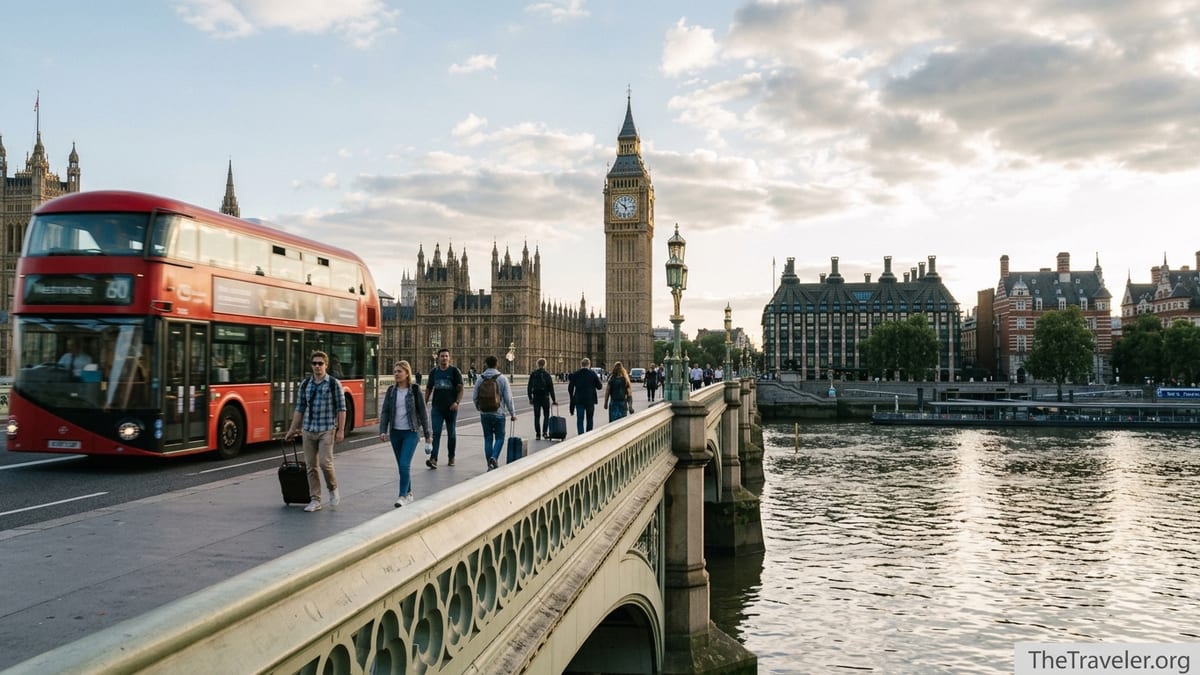
How Much Does a Trip to the UK Really Cost in 2026
Travel costs in the United Kingdom vary widely between London and the rest of the country, high season and low season, and city versus countryside. In 2026, a frugal traveler sharing hostel dorms and taking slower buses might manage on around 80 to 120 pounds per person per day, while a typical mid range visitor staying in simple but private hotels and mixing restaurants with grab and go meals often spends 160 to 250 pounds. Those staying in upscale central hotels, taking peak time trains and booking guided tours in popular destinations can comfortably reach 300 to 500 pounds per day or more.
London remains the most expensive place to sleep, eat and get around, followed by Edinburgh and some heavily visited areas such as the Cotswolds and the Lake District. Smaller cities like Leeds, Cardiff, Belfast or Glasgow and many coastal or rural towns often cost 20 to 40 percent less than London for equivalent standards of hotels and dining. As you plan, it helps to treat London as its own price universe, then adjust expectations downward as you move into the wider country.
Seasonality has a clear impact on prices. July and August, long holiday weekends, Christmas and New Year see the highest hotel and train fares, especially in London, Edinburgh and major tourist regions. In contrast, November (excluding late month festive markets), January and early February often bring noticeably lower prices, particularly for accommodation. Shoulder months such as April, May, September and October can strike an attractive balance between affordability, availability and weather.
Currency movements also influence how expensive the UK feels. If you are arriving with dollars or euros, check recent exchange rates as you plan. Room rates and train tickets purchased in advance online are locked in pounds, but your bank or card conversion rate at the time of purchase will shape the final figure in your home currency.
Accommodation Costs: From Hostels to Five Star Hotels
Accommodation is often the largest single expense for a UK trip. In central London in 2026, a basic but reputable hostel dorm bed typically starts around 25 to 45 pounds per night, with popular names like YHA and independent hostels in areas such as Kings Cross, Shoreditch or Paddington charging closer to the upper end during busy periods. Private rooms in hostels or budget guesthouses tend to begin roughly around 80 to 120 pounds for a simple double with shared or compact private bathroom.
In the mid range, chain hotels such as Premier Inn, Travelodge, Holiday Inn Express and Ibis are a useful benchmark. In London zones 1 and 2, midweek rates often sit around 150 to 250 pounds per night for a standard double if booked a few months ahead, with weekends sometimes cheaper in business districts like the City or Canary Wharf. Outside London, the same brands in cities such as Manchester, Birmingham, Glasgow or Cardiff regularly list standard rooms in the 80 to 150 pound range, rising on big event dates.
Upscale and luxury properties rise quickly in price, especially in prime London locations such as Mayfair, Knightsbridge or along the Thames. Well known five star hotels can easily start from 500 pounds per night and run into four figures for suites or peak holiday dates. In Edinburgh during the August festival season or at Hogmanay over New Year, historic hotels and stylish boutiques also command steep rates, often 300 pounds per night and above for centrally located rooms.
Holiday rentals and serviced apartments are common in major cities and tourist regions, ranging widely in cost. A one bedroom apartment in a non prime but convenient London neighborhood might be 150 to 250 pounds a night for short stays, while cottages in the Cotswolds or Cornwall can vary from 120 pounds nightly for a modest property in low season to well over 300 pounds for larger or especially scenic homes in summer. Cleaning fees and minimum stays can impact the overall nightly rate, so factor those into your calculations.
Getting Around: Trains, Buses, Rental Cars and Fuel
Public transport in the UK is extensive but can be expensive if you pay late or walk up fares. Intercity rail is priced dynamically, so booking advance tickets can reduce costs significantly. For example, a London to Edinburgh journey booked a few weeks out on a specific departure might be around 40 to 90 pounds in standard class, whereas a flexible ticket bought on the day can run well over 150 pounds. Similar patterns hold on routes like London to Manchester, where early advance tickets may fall in the 25 to 60 pound range while peak walk up fares are much higher.
Within cities, local transportation can be a major daily cost. In London, using a contactless card or payment device on the Underground and buses is capped per day. As a rough guide, in 2026 the daily cap for travel in central zones is typically under 20 pounds, meaning frequent rides will not exceed that figure. Buses are cheaper per journey than the Tube. Cities like Manchester, Glasgow and Edinburgh have extensive bus networks and, in some cases, tram or suburban rail services, where typical single fares are a few pounds per ride.
Intercity buses are generally cheaper than trains but slower. Companies running services between major cities often have promotional fares that can be very low if you book far ahead, with more typical prices in the 10 to 30 pound range for routes such as London to Bristol or Birmingham. For budget travelers with more time than money, these coaches can be a sensible way to move between regions while keeping transport costs down.
Rental cars are common for exploring rural regions such as the Scottish Highlands, Snowdonia in Wales or the countryside of Devon and Cornwall. In 2026, compact rental cars from major brands picked up in a city or airport often price at roughly 30 to 60 pounds per day for basic models, excluding optional insurance upgrades, one way fees, or extras. Fuel in the UK is typically sold by the litre, and prices are higher than in many countries. A full tank for a small car can easily cost 70 pounds or more, so a day of scenic driving might add 20 to 40 pounds in fuel depending on distance and vehicle efficiency.
Food, Drink and Daily Living Expenses
Food costs in the UK can be surprisingly manageable if you are flexible about where you eat. A basic takeaway sandwich and drink from a supermarket chain or high street bakery in a city like London or Manchester might run 5 to 8 pounds. Coffee from well known chains often lands around 3 to 4 pounds for a latte, slightly more in central tourist zones. For dinner, a casual pub meal such as a pie, fish and chips or a burger with a soft drink is commonly in the 12 to 18 pound range, with higher prices in very central or particularly fashionable neighborhoods.
Sit down restaurants vary widely. A mid range restaurant in London offering mains like pasta, curry or grilled dishes may see main courses priced in the 15 to 25 pound bracket, with starters and desserts each adding 6 to 10 pounds. Outside London, prices for equivalent restaurants in cities like Leeds or Glasgow are often several pounds lower per dish. A simple two course dinner for two with non alcoholic drinks in a mid range setting could reasonably come to 45 to 70 pounds, more with wine or cocktails.
Self catering and using supermarkets can reduce daily expenses. Well known grocery chains stock ready meals, salads, bakery items and snacks, making it possible to assemble a picnic style lunch for under 10 pounds per person. Staying in accommodation with access to a kitchen and cooking some dinners, especially in rural rentals or serviced apartments, can trim costs considerably over a week.
Alcohol is a meaningful extra cost for many visitors. A pint of beer in a London pub might now range from about 6 to 8 pounds in central areas, with craft or specialty beers even higher. In regional cities and village pubs, prices are often closer to 4 to 6 pounds. A glass of house wine typically runs 6 to 9 pounds, and cocktails in trendier bars can easily start at 10 to 14 pounds. If you drink regularly with meals, it is worth adding a separate line in your daily budget.
Attractions, Tours and Entertainment Costs
Entrance fees to major attractions are a visible part of UK travel budgets. In 2026, many of London’s most famous museums remain free to enter at the main galleries, including the British Museum, National Gallery and Tate Modern, although special exhibitions often charge extra. In contrast, popular attractions such as the Tower of London, Westminster Abbey and certain royal palaces have substantial admission prices, often in the 30 to 40 pound range for adults at standard rates.
Outside London, headline sights also command notable fees. Edinburgh Castle tickets for adults are typically around the mid 20 pound mark, while entry to historic properties run by heritage organizations often falls between 10 and 25 pounds. Scenic experiences such as boat trips on Loch Ness, guided tours in the Cotswolds, or day excursions from London to Bath and Stonehenge commonly start at 60 to 120 pounds per person when booked through established tour companies, depending on inclusions and group size.
Theatre and live entertainment can add significantly to spending in cities such as London and Edinburgh. West End theatre tickets range widely, with restricted view or upper balcony seats sometimes available from around 25 to 40 pounds for certain shows and performances, while premium stalls seats for top selling productions can exceed 100 pounds per ticket. During the Edinburgh Festival in August, comedy shows, plays and live events range from free ticketed performances to 20 or 30 pounds or more per person for popular acts.
Travel passes and memberships can help if you plan to visit many sights. City passes that bundle attraction entry and public transport are offered in London and some regional cities and can represent value for travelers who pack in multiple visits per day. Similarly, heritage memberships from organizations that manage castles, stately homes and gardens throughout the country can make sense for longer itineraries with a strong focus on historic sites.
Realistic Daily Budgets: Budget, Mid Range and Luxury
To translate these individual costs into realistic daily budgets, it is helpful to think in broad tiers. A budget traveler willing to stay in hostel dorms or very simple guesthouses, take slower buses instead of trains where practical, cook some meals or rely on supermarket food, and focus mainly on free or low cost attractions might aim for 80 to 120 pounds per person per day. In London this might mean a 35 pound hostel bed, 10 to 15 pounds for public transport and local buses, 20 to 30 pounds for food using supermarkets and the occasional cheap meal out, and 10 to 20 pounds for paid attractions or a pub drink.
A mid range traveler expecting a private hotel room, regular restaurant meals and a mix of trains and occasional guided tours is more likely to land in the 160 to 250 pound per person per day range if sharing a room. In London, that might translate into 200 pounds per night for a double room shared by two (100 pounds per person), 15 to 20 pounds per person on public transport and taxis, 40 to 60 pounds per person on food and drink, and 20 to 50 pounds per person on attractions, theatre or tours on days with more activities.
Luxury travelers who prefer four or five star hotels in prime locations, flexible train tickets or private car services, and frequent fine dining or private tours can easily see daily spending climb above 300 to 500 pounds per person. For instance, a 500 pound London hotel room shared by two is already 250 pounds per person before adding 60 to 100 pounds on meals and drinks, 20 to 40 pounds on local transport or taxis, and 50 to 150 pounds on guided touring, premium attractions or evening entertainment.
Regional travel often helps budgets stretch further. A mid range couple that might average 220 pounds per day per person in London could see their daily spending fall by 20 to 30 percent in mid sized cities or rural regions, simply because hotel and restaurant prices are lower. Planning an itinerary that balances a few high cost days in London or Edinburgh with longer stays in more affordable areas can help smooth the overall cost of a multi week trip.
Money Saving Strategies Without Sacrificing Too Much Comfort
There are several practical ways to keep UK travel costs manageable without feeling deprived. Booking key elements early is one of the most important. Intercity train fares open for sale weeks in advance and the cheapest advance tickets tend to sell out first. Similarly, centrally located mid range hotels in cities like London or Edinburgh often have the best rates months before arrival; waiting until the last minute usually narrows options and raises prices.
Flexibility in where you stay within a city can also matter. In London, looking just beyond the most famous neighborhoods can save a meaningful amount without harming convenience. Areas like Paddington, Kings Cross, South Bank or Hammersmith often have slightly lower average hotel rates than parts of Mayfair or Covent Garden, yet still offer good transport links. Likewise, in Edinburgh, staying a short walk or bus ride from the Royal Mile can reduce accommodation costs compared with the most atmospheric old town streets.
For food, mixing sit down restaurant meals with lower cost options works well. Grabbing breakfast from a supermarket or bakery, having a picnic lunch in a city park, then enjoying a pub dinner provides both variety and savings compared with three full restaurant meals daily. Many pubs and casual restaurants also run fixed price lunch deals or early evening menus that represent better value than dining later.
On sightseeing, prioritizing what you truly care about pays off. London has many free museums and galleries where you could spend several days without paying an entrance fee, so it may be worth limiting the number of higher ticket attractions to a few standouts. In the countryside, self guided hikes, coastal walks and exploring villages are typically free, leaving more of your budget for the occasional paid castle, garden or guided experience that really interests you.
The Takeaway
The United Kingdom in 2026 is not a low cost destination, but it can be approached strategically. Understanding how much hotels, trains, meals and attractions actually cost on the ground helps prevent sticker shock and allows you to shape an itinerary that fits your budget. London and a few high profile areas drive up averages, yet many parts of England, Scotland, Wales and Northern Ireland feel noticeably more affordable for comparable quality.
Rough daily ranges of around 80 to 120 pounds for budget travelers, 160 to 250 pounds for typical mid range visitors and upward of 300 pounds for luxury stays offer a starting framework. From there, careful choices about where you sleep, how you move between cities, when you dine out and which attractions you prioritize will determine your final spend. With realistic expectations and some advance planning, a trip to the UK can feel both memorable and financially manageable.
FAQ
Q1. How much should I budget per day for a week in London?
A realistic mid range budget for London in 2026 is around 180 to 250 pounds per person per day if you share a hotel room, use public transport, eat at a mix of pubs and casual restaurants, and visit a few paid attractions.
Q2. Are trains or rental cars cheaper for getting around the UK?
Trains are usually cheaper and more convenient for major city to city routes if you book advance fares, while rental cars can be more economical in rural areas when costs are shared between several people and you plan to explore remote regions.
Q3. When is the cheapest time of year to visit the UK?
Generally, November, January and early February outside holiday periods see lower accommodation rates, while shoulder seasons in April, May, September and October can offer moderate prices with better weather than mid winter.
Q4. How expensive is food in the UK for travelers?
Daily food costs vary widely, but many visitors find that 25 to 40 pounds per person covers simple breakfast, a light lunch and a pub or mid range dinner, excluding alcohol, if you occasionally use supermarkets and casual spots.
Q5. Do I need to buy attraction passes to save money?
Attraction and city passes can be worthwhile if you plan to visit several included sights per day, but they are not essential. Compare the total cost of individual tickets on your own itinerary before deciding.
Q6. How much does public transport cost in London per day?
Using a contactless card, many visitors spend around 8 to 15 pounds per day on central London transport, with a daily cap limiting the maximum charged even if you take multiple Underground and bus journeys.
Q7. Is it cheaper to stay outside city centers and commute in?
Staying outside the very center can lower hotel prices, but you need to factor in extra transport costs and time. Often, a reasonably priced hotel in a well connected but slightly less fashionable central neighborhood provides the best balance.
Q8. How much should I set aside for attractions each day?
If you plan one paid attraction and one or two free activities daily, allocating 15 to 30 pounds per person per day for entrance fees is often sufficient, with higher amounts on days that include premium attractions or guided tours.
Q9. Are tips and service charges a big part of the budget in the UK?
Tipping is more modest than in some countries. Many restaurants add an optional service charge around 10 to 12.5 percent. In pubs, tipping is not expected for simple drink orders, so tips usually form a relatively small part of your budget.
Q10. How far in advance should I book hotels and trains to get better prices?
For popular periods and cities, booking accommodation two to four months ahead and trains as soon as advance fares appear often produces noticeably lower prices than leaving arrangements to the last minute.