


Scotland is one of those places where you can land almost any month of the year and still be rewarded with big skies, moody lochs and storybook villages. Yet the experience in July feels entirely different from November. Daylight can swing from almost 18 hours in midsummer to barely 7 in midwinter, midges can make or break a Highland hike, and room rates jump dramatically during August festivals. This guide breaks down the best time to visit Scotland month by month, with a practical focus on weather, daylight, crowds, hotel prices, midges, and how that all plays out in the Highlands, islands and major cities.
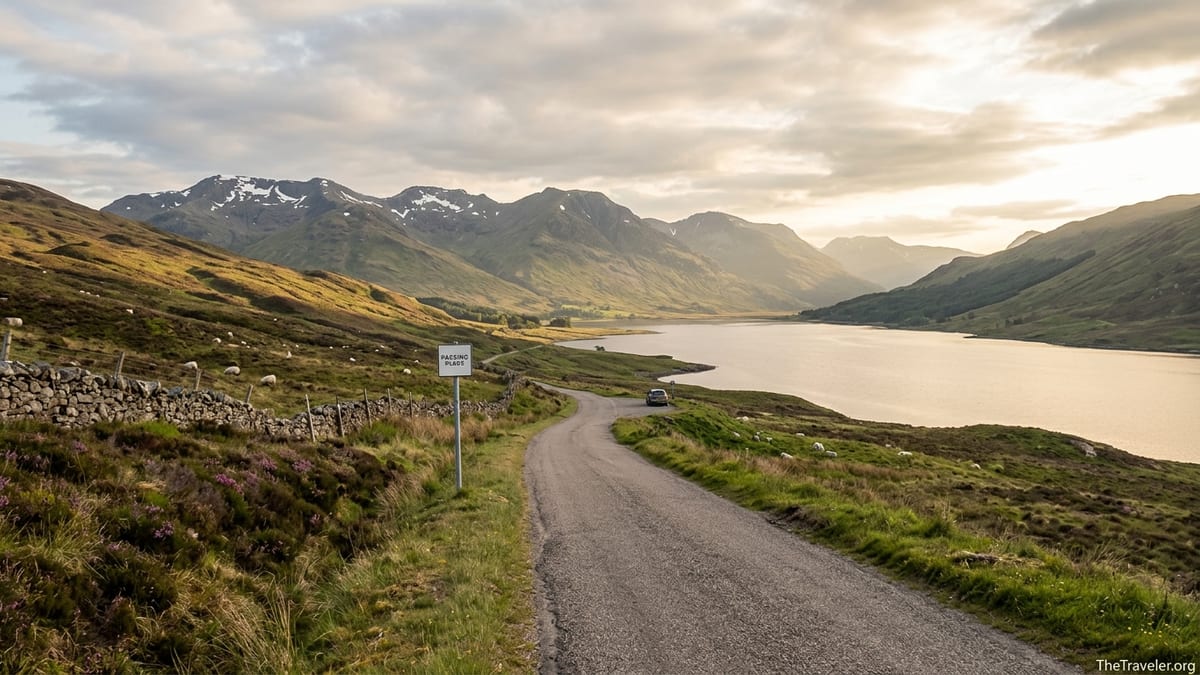
How Scotland’s Seasons Really Feel
On paper, Scotland is a cool, maritime climate with relatively mild temperatures year round. In practice, you might drive from sunshine in Edinburgh to low cloud on Glencoe and horizontal rain on Skye in a single afternoon. In summer, daytime highs often sit around 17 to 20 degrees Celsius in the Lowlands and slightly cooler in the Highlands, while winter days hover near 3 to 6 degrees. The west coast, including Oban and the Road to the Isles, is wetter than the east, so places like Aberdeen and the Moray coast often feel brighter and drier even in unsettled months.
Daylight is the second big factor. In June, you can still be photographing Eilean Donan Castle at 11 pm, and walkers in Torridon talk about finishing long ridge walks under a glowing midnight sky. In December, by contrast, you will drive the A82 through Rannoch Moor in the dark both to and from your accommodation unless you plan your timings carefully. Many experienced visitors choose their month based on daylight first and weather second, especially if they are planning big Highland road trips or island-hopping.
The third element is midges, the tiny biting insects that appear in late spring and are most notorious on the west coast, in glens and near still water. Locals in Fort William and Glen Coe will tell you that calm, damp evenings in June, July and August are the worst time to stand still without a head net. By contrast, cities like Edinburgh, St Andrews and Glasgow are barely affected. Add in school holidays, the Edinburgh Festival in August and New Year’s celebrations at Hogmanay, and Scotland’s calendar begins to look like a patchwork of very different travel experiences.
For most visitors who want good weather, long days and manageable crowds with fewer midges, the consensus sweet spots are May, early June and September. But that is only part of the story. Below is a month by month breakdown that connects what you will actually see and feel on the ground to your likely budget and travel style.
January and February: Wild Skies and Winter Festivals
January and February in Scotland are short on daylight but long on atmosphere. In the Highlands around Aviemore and the Cairngorms, snow often lingers on the tops and ski areas may be operating when conditions allow. A winter road trip from Inverness to Ullapool in late January might mean frost on the verges, empty viewpoints at Corrieshalloch Gorge and dusky light by 3.30 pm. Along the west coast, the sea moderates temperatures but brings wind and squalls, so expect changeable days rather than deep freeze.
These months are the cheapest for accommodation outside New Year. In Edinburgh and Glasgow it is common to find midrange hotels in the 80 to 130 pounds per night range midweek, compared with much higher rates in August. On Skye, many smaller guesthouses and seafood restaurants close for the season, but year round bases like Portree still offer a handful of hotels and self catering cottages at off season prices. Car rental is usually lower too, which matters if you are planning to drive the North Coast 500 or explore smaller islands.
Festivals add a cultural spark to the long nights. Edinburgh’s official Hogmanay celebrations run through the New Year period, with torchlight processions, street parties along Princes Street and fireworks over Edinburgh Castle. In late January, Shetland’s Up Helly Aa fire festivals bring Viking inspired torchlit processions and the burning of a replica longship in Lerwick and smaller communities across the islands. These events are not incidental. They are major reasons to choose midwinter if you care more about atmosphere and tradition than blue skies.
For Highlands hiking and islands, January and February are only for well equipped, flexible travelers. Many mountain paths are snow covered or icy and daylight is tight for big days. The plus side is that midges are entirely absent and iconic roads such as the stretch from Glencoe to Glenfinnan are almost empty of tourist traffic. Photographers who want brooding winter light on Buachaille Etive Mor or the Quiraing often plan trips specifically for this time.
March and April: Early Spring and Shoulder Season Savings
By March, days are noticeably longer, especially after the clocks change to British Summer Time near the end of the month. In Edinburgh, you can walk up Arthur’s Seat after work and still have daylight on the summit, while in the Highlands the last snow sits on summits like Ben Nevis and An Teallach. Average highs creep towards 8 to 11 degrees Celsius, but sharp cold snaps and sleet are still possible, particularly in the north and interior.
For travelers, March is one of the most budget friendly months. Hotel prices in Glasgow and Dundee are still close to winter levels except around specific events, and you can often secure good deals at country house hotels in Perthshire or on the banks of Loch Ness. Car hire remains cheaper than from late spring onward, which matters if you plan a 7 to 10 day Highlands loop including Glencoe, Skye and the Cairngorms. Ferries to islands like Arran and Mull are running but generally uncrowded midweek.
April feels more optimistic. Daffodils are out in castles gardens from Stirling to Dunnottar, and gorse blooms along coastal paths on the Fife Coastal Route and the isle of Mull. The Easter holidays bring a bump in domestic travel, so places like Aviemore and the Trossachs see more families, but overall crowds remain moderate. International visitors who want a first taste of the Highlands without peak season prices often choose an April loop from Edinburgh to Inverness via Pitlochry and back through Glencoe.
This is still outside the main midge season, so even on the west coast you can linger at viewpoints in Glen Coe or around Loch Maree without insect clouds. The trade off is that not every seasonal business has reopened. Some small boat trips to see puffins and other seabirds begin in late April in places like Oban and Ullapool, but more start from May. If you want a quieter island experience on Skye or Harris and Lewis, late April with a warm jacket is a strong candidate.
May and June: Long Days, Better Weather and Minimal Midges
Many Scotland regulars will tell you that May is the single best month to visit. Daytime temperatures are mild rather than hot, often between 12 and 16 degrees Celsius in the Lowlands and only a little cooler in the Highlands, and rainfall averages are relatively low compared with autumn. More important for walkers and road trippers, daylight stretches to around 16 hours by the end of the month, giving you time to drive from Edinburgh to Skye, stop at Glen Coe, Glenfinnan and Eilean Donan Castle, and still check into your Portree guesthouse in daylight.
Insect wise, May is usually before the main midge season on the west coast, particularly in the early part of the month. Hikers on the West Highland Way or camping by lochs like Lomond and Shiel often report that they can cook dinner outside without the head nets that become almost essential later. That said, midges can appear earlier after a mild spring, so it is still wise to pack repellent and a lightweight head net if you are camping or spending time in sheltered glens.
By June, Scotland feels fully open for the season. All island ferry routes are running, distilleries from Islay to Speyside are offering full tour schedules, and wildlife cruises to Staffa, Lunga and the Treshnish Isles are in high demand. Daylight peaks close to the solstice in late June, with usable light well into the late evening even in cities like Inverness. This is the ideal time for longer Highlands road trips such as a two week circuit taking in the North Coast 500, Skye and the Outer Hebrides, and for hut to hut backpacking routes in the Cairngorms.
The trade off is that midges usually become more noticeable in late June on the west coast and in the Great Glen. Calm, warm evenings in places like Glen Nevis, Glen Torridon and around Ullapool can be challenging if you are standing still. However, breezy locations and islands exposed to Atlantic winds, such as Barra and the Uists, often feel far more pleasant. Prices in June begin to climb, particularly in popular spots such as Skye and Edinburgh, but in many areas you will still pay less than in peak August.
July and August: Peak Season, Peak Midges and Big Festivals
July and August are peak summer for both weather and tourism. Daytime highs regularly sit in the high teens or low twenties Celsius, and warm spells occasionally push temperatures higher, particularly in the Central Belt between Glasgow and Edinburgh. School holidays in Scotland and the rest of the United Kingdom mean families fill holiday parks from Ayrshire to Aviemore, and the campervan traffic on the A82 and around the North Coast 500 rises sharply.
These are also peak midge months on the west and in the Highlands. Walkers in Glen Coe, Knoydart and around Skye often share stories of needing to retreat to their cars during still, muggy evenings. Campsites near lochs and forests can be uncomfortable without good repellent, head nets and sometimes midge coils. On the positive side, cities remain almost midge free, and coastal areas with consistent breezes, such as Orkney and parts of the Outer Hebrides, are generally less affected.
August in particular brings huge festivals. Edinburgh hosts the Festival Fringe, the International Festival, the Royal Edinburgh Military Tattoo and several other arts events all overlapping across the month. The city’s population effectively doubles, and hotel prices follow suit. A central midrange hotel that costs under 150 pounds per night in April can easily exceed 300 pounds per night during Fringe weekends, and even budget hostels and guesthouses sell out months in advance. Trains from London and Manchester to Edinburgh are busier and often more expensive, too.
If you want to explore the Highlands and islands in July or August, it is still possible to have a rewarding trip, but advance planning is crucial. Reserve ferries to Skye’s satellite islands or to the Outer Hebrides as soon as bookings open, and lock in key bases such as Portree, Ullapool and Tobermory months before travel. Consider building your itinerary around less visited areas such as Kintyre, the Moray Firth coast or Deeside near Braemar, where crowds are smaller and midges are less intense than along the classic west coast routes.
September and October: Golden Light, Calmer Crowds and Fading Midges
September is often described by guides and accommodation owners as a second sweet spot. Daytime temperatures remain comfortable, generally around 13 to 16 degrees Celsius in many areas, and the sea is at its warmest after the summer. In the Highlands, heather blooms on moors around places like Kingussie and the Cairngorms early in the month, and bracken on hillsides near Glencoe and Skye begins to turn bronze later on. Sunrise and sunset move back to more sociable hours, which is ideal for photographers who want soft light on the Old Man of Storr or Luskentyre beach without a 4 am alarm.
Crucially, midges begin to tail off from early to mid September, especially after the first cooler nights. Walkers on the Isle of Skye, in Assynt or on the Isle of Mull often report that late September and early October trips feel far more comfortable than July and August, with far fewer bites and no need for head nets on most days. There can still be localised bursts in sheltered spots after rain, so carrying repellent remains sensible, but overall insect pressure is much lower.
Crowds thin once schools return, especially outside Edinburgh and Glasgow. Hotel prices in the cities drop from August highs, and in the Highlands you can often find last minute rooms in ports like Oban and Ullapool that were booked solid just weeks before. Ferries to islands such as Islay, Jura and Harris still run regular schedules, but foot passenger numbers are markedly lower midweek. This is an excellent window for whisky themed trips that combine distilleries on Islay and Speyside with scenic driving.
By October, Scotland is firmly in autumn. Days are shorter and wetter, and there is an increased chance of early snow on high tops, but the colours can be spectacular in wooded glens like Glen Affric and around Loch Tummel. Wildlife watchers visit the Isle of Mull and the west coast to see red deer during the rut and to watch for white tailed eagles in stormy skies. Many rural hotels remain open through October, often with shoulder season deals that include dinner and breakfast, though some island tourism businesses start to wind down at the end of the month.
November and December: Quiet Roads and Winter City Breaks
November is among the quietest months for tourism in rural Scotland. Daytime highs slide towards 6 to 8 degrees Celsius, and the first widespread frosts are common inland. On a road trip from Perth to Inverness via the A9, you may pass snow gates that sometimes close in storms, although the road is usually kept open. In the outer isles, Atlantic storms grow more frequent, which can disrupt ferry schedules to places like Stornoway, Castlebay and Lerwick, so flexibility becomes important.
The upside is that prices can be very favourable. In Oban or Fort William, sea view hotel rooms that cost a premium in July are often discounted, and it can be easier to secure a last minute cottage with a wood burning stove overlooking a loch. Restaurants in major towns still cater to locals and visitors with hearty, seasonal menus featuring venison, cullen skink and haggis. For those who want a moody, atmospheric version of the Highlands without crowds, an early November trip can be ideal.
December brings very short days but a strong sense of tradition. Christmas markets appear in the centres of Edinburgh and Glasgow, with light trails in gardens beneath Edinburgh Castle and around Glasgow’s parks. The build up to Hogmanay gathers pace, particularly in Edinburgh where the official programme includes a torchlight procession in the days leading up to 31 December, street concerts and fireworks at midnight. Many travellers plan short city breaks specifically to experience Scottish New Year celebrations and then add a couple of days in nearby countryside such as Loch Lomond and The Trossachs.
For remote Highland and island travel, December is a serious winter month. Many smaller island guesthouses close, and driving conditions can be challenging on minor roads, especially after dark. If you want to photograph the Fairy Pools or Quiraing at this time of year, be prepared for ice, strong winds and very limited daylight. Midges, though, are long gone, and some walkers relish crisp, clear winter days on lower level routes such as the Great Glen Way or coastal paths near Aberdeen and St Andrews.
Matching Your Trip Style to the Best Month
If your priority is hiking in the Highlands with long days and the lowest chance of midges, late May, early June and September are usually your best options. For example, a 10 day itinerary in late May might start with two nights in Edinburgh, then loop through Glencoe, Skye, Ullapool and the Cairngorms. You will have enough daylight for full hiking days on routes like the Lost Valley, the Quiraing and Cairngorm plateau, with generally manageable insects and moderate temperatures.
For island hopping, May through September all work, but the style of trip shifts. In May and June, you can explore Skye, Harris and Lewis or Islay with fewer crowds, though some seasonal cafes may have shorter hours. In July and August, every boat tour, distillery and tearoom is open, but you must book early and come prepared for both crowds and midges. In September, the Outer Hebrides combine warm seas, often decent weather and fewer visitors, which many repeat travellers consider the ideal mix for beaches, wildlife and quiet crofting landscapes.
City and culture travellers have more flexibility. Edinburgh and Glasgow work well in any month, but your experience in August versus November will be radically different. Choose August if you want to immerse yourself in the Festival Fringe and other events, accept very high hotel prices and enjoy buzzing streets late into the night. Choose November or late January if you want gallery hopping, whisky bars and neighbourhood restaurants without crowds, at far lower accommodation costs. Spring months like April and May strike a balance, with lighter evenings and moderate prices.
Winter visitors should lean into the season rather than fight it. Instead of planning long Highland hikes, focus on low level walks, distillery tours in Speyside, and cosy inns in places like Dunkeld or Royal Deeside. Consider adding a night in Inverness or Aberdeen to explore less touristed cities, then time your trip to coincide with events such as the Up Helly Aa fire festivals in Shetland or the Hogmanay celebrations in Edinburgh. With realistic expectations and flexible driving plans, winter Scotland can feel like a different, more intimate country.
Practical Tips for Dealing With Midges, Weather and Logistics
Regardless of month, preparation will improve your trip. For midges, the simplest rule is that they like still, damp air. If you are camping by a loch in July, pack a head net, long sleeves and a trusted repellent that locals use. Many hikers in Scotland swear by specific local brands sold in outdoor shops from Fort William to Aviemore. Booking campsites with access to indoor common rooms or bothies nearby can give you a refuge during the worst evening hours.
For weather, the key is layering. Even in August, it is normal to wear a waterproof shell and fleece on the summit of Ben Lomond in the morning and a T shirt in Edinburgh’s Princes Street Gardens later the same day. A lightweight, fully waterproof jacket and proper hiking footwear make a huge difference on boggy Highland paths. Visitors who arrive with only fashion trainers and umbrellas often find themselves buying gear in outdoor retailers in Glasgow or Inverness on their first day.
Logistically, booking ahead becomes critical the closer you get to peak periods and popular areas. On the Isle of Skye, peak season accommodation in Portree, Broadford and around the Trotternish Peninsula can sell out several months in advance for July and August, and even May weekends are busy. Ferry routes run by Caledonian MacBrayne to islands like Mull, Islay, Harris and Barra can have limited vehicle spaces in summer, so reserving a car spot early is wise. Train tickets between London and Edinburgh are often cheapest when bought in advance, especially for August festivals and Christmas and New Year journeys.
Finally, be realistic about driving times. Maps can make a loop from Edinburgh to Skye, north to Ullapool and back via Inverness look straightforward, but single track sections, photo stops and weather can slow you down. A day that starts with sunrise at the Fairy Pools and ends with sunset over Loch Torridon is possible in June but will feel rushed in October. Build spare days into your itinerary for poor weather or simply to rest in a favourite place, whether that turns out to be a Harris beach, a Speyside whisky town or a café lined street in Edinburgh.
FAQ
Q1. What is the single best month to visit Scotland overall?
Many repeat visitors choose May because it combines long days, relatively low rainfall, fewer crowds than summer, and usually fewer midges than June to August, while most seasonal attractions are open.
Q2. When are midges worst in the Scottish Highlands and islands?
Midges typically appear from late May and are generally worst in June, July and August on the west coast and in sheltered glens, easing off during September, especially after the first cool nights.
Q3. Which months are best for a Highlands road trip with long daylight?
Late May, June and early July offer the longest days, making routes such as the North Coast 500 and loops through Glencoe, Skye and the Cairngorms more relaxed with ample time for stops.
Q4. When is the cheapest time to visit Scotland for hotels and flights?
January, February and November usually offer the lowest accommodation rates, with March and early April also good value, especially outside Easter and major city events, while August is typically the most expensive month.
Q5. When should I visit Edinburgh for the Festival Fringe and other summer events?
The main Edinburgh festivals run through most of August, so visiting in that month lets you experience the Fringe, the International Festival and the Military Tattoo, but expect very high prices and large crowds.
Q6. Which months are best for visiting islands like Skye, Harris and Islay?
May, June and September are often ideal, with good ferry schedules, generally decent weather, fewer midges than peak summer and slightly lower visitor numbers than in July and August.
Q7. Is winter a good time to hike in the Scottish Highlands?
Winter hiking is possible but best suited to experienced walkers with proper gear and knowledge of snow and ice conditions; casual visitors are usually better focusing on lower level walks and scenic drives from November to February.
Q8. Will I see the Northern Lights in Scotland, and when?
The aurora can sometimes be seen from northern Scotland, particularly in the Highlands and islands, on clear, dark nights from roughly September to March, but displays are irregular and never guaranteed.
Q9. When is the best time to combine city breaks with a short Highlands trip?
April, May, September and October work well for pairing Edinburgh or Glasgow with two or three nights in places like Glencoe, Pitlochry or Aviemore, balancing daylight, prices and manageable driving conditions.
Q10. Do I need to book far in advance for summer travel in Scotland?
For July and August, it is sensible to book key elements such as flights, car hire, ferries and popular Highland or island accommodations several months ahead, especially for Skye, the North Coast 500 and Edinburgh during the festivals.