


England changes character with every season, and the “best” time to visit depends heavily on whether you are dreaming of London museums, Lake District hikes or long coastal days in Cornwall. This guide walks you through the year month by month, comparing weather, daylight, crowds, hotel prices and major events so you can choose the right moment for city breaks, countryside escapes and coastal trips.
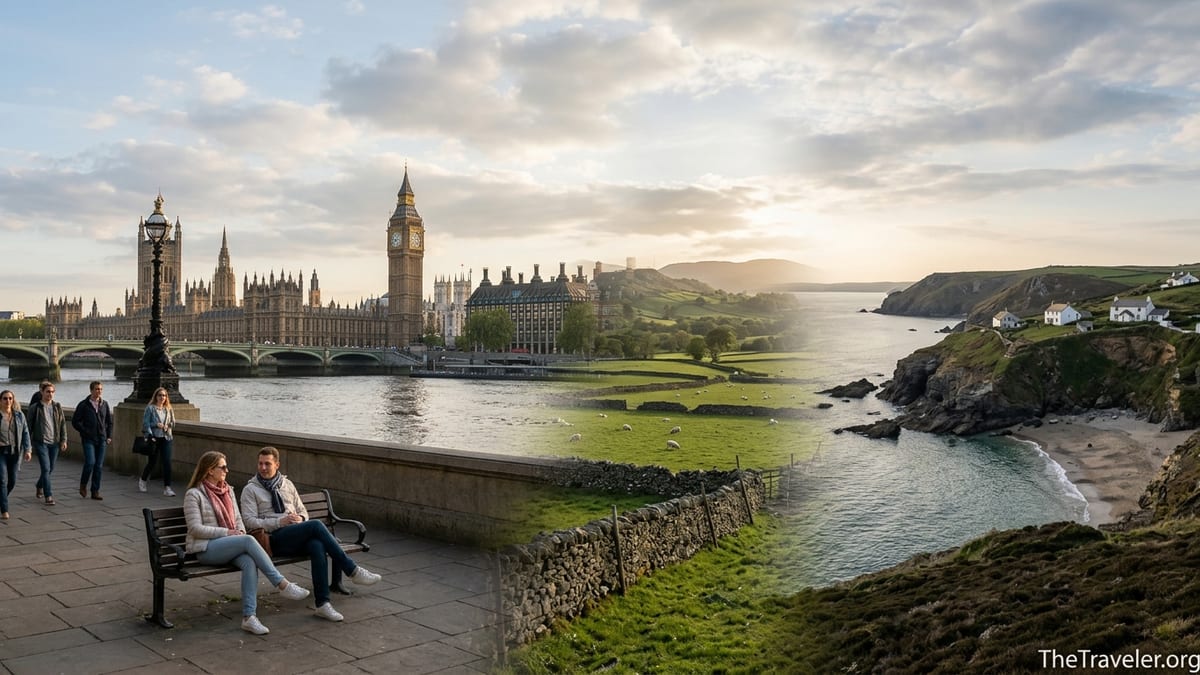
How England’s Seasons Shape Your Trip
England has four distinct seasons, but they are milder than much of North America or continental Europe. Winters in London typically hover between about 2 and 8 degrees Celsius, while summer days often sit around 20 to 25 degrees, with hotter spells during occasional heatwaves. Rain is possible at any time, yet it rarely falls all day; you are more likely to see passing showers broken by dry periods, which matters when you are weighing up a Cornish beach walk or a Thames-side stroll.
Spring from March to May brings longer days, blossom in London’s parks, and lambs in the countryside. Summer from June to August is peak season, with the longest daylight and the fullest festival calendar, but also the most crowds and the highest prices, especially around school holidays and bank holiday weekends. Autumn from September to November is often a sweet spot for quieter cities and golden landscapes in the Lake District. Winter from December to February mixes cosy pub afternoons, Christmas lights and the best hotel bargains outside holiday peaks.
London behaves differently from rural England and the coast. A drizzly January morning in the capital can still be a productive time to visit the British Museum or take in the West End, whereas the same weather in the Lake District might limit your hiking options. Likewise, a breezy but bright April day can be perfect for the South West Coast Path above St Ives or Padstow in Cornwall, even if it still feels cool for swimming. Keeping these differences in mind helps you match regions to the right time of year.
For budget planning, expect central London hotel rates to climb sharply in June, July and early August, especially near landmarks such as Covent Garden, South Bank and Kensington, and around major events like Wimbledon and Notting Hill Carnival. In contrast, January, February and much of November can bring softer prices, particularly for business-oriented hotels in the City or Canary Wharf that see lower leisure demand at weekends.
Spring (March to May): Blossoms, Shoulder-Season Value and Unpredictable Skies
Spring is one of the most appealing times to visit England if you can tolerate changeable weather. In London, daffodils and cherry blossoms usually appear across Hyde Park, Kensington Gardens and Greenwich Park by late March or early April, and café terraces in areas like Soho and Shoreditch start to fill on milder afternoons. Daytime temperatures commonly sit in the low to mid-teens Celsius in April and May, which is comfortable for sightseeing with a light jacket.
Hotel prices in London in March and early April are often significantly lower than in summer, particularly midweek. For example, it is common to see mid-range chain hotels near King’s Cross or Waterloo quoting noticeably lower nightly rates in late March than they do in late June, when leisure and business travel combine. However, prices can spike around Easter, which moves each year, and during major events such as the London Marathon in April and Chelsea Flower Show in May.
In the countryside, spring is a classic time for the Lake District. Trails around Windermere, Ambleside and Keswick are generally quieter than in school summer holidays, yet you can still have clear, crisp days with views of fells dusted with late snow. Paths can be muddy after winter rains, so waterproof hiking boots and layers are essential. Traditional inns around Grasmere or Hawkshead may run spring deals outside UK school breaks, making a long weekend more affordable than a high-summer stay.
Cornwall in April and May offers a good compromise between atmosphere and calm. Seaside towns such as St Ives, Falmouth and Padstow start to reopen seasonal restaurants, surf schools ramp up lessons at beaches like Newquay’s Fistral, and coastal paths are lined with wildflowers. Sea temperatures are still cold, so most people opt for wetsuits for surfing or coasteering. Car parks and narrow lanes are far less congested than in August, making it easier to explore small villages such as Mousehole or Port Isaac without heavy traffic.
Summer (June to August): Long Days, Bustling Streets and Peak Prices
Summer delivers England’s longest days and fullest calendars, which is why June to August are the busiest and most expensive months for London, the countryside and the coast. In London, daylight can run well past 9 pm in June, allowing you to combine museums, evenings along the South Bank, and late dinners in areas such as Covent Garden without feeling rushed. Parks like Regent’s Park and Hampstead Heath are at their greenest, and outdoor pools such as the Parliament Hill Lido and Hampstead Ponds see long queues on hot days.
Crowds and hotel prices rise accordingly. Central hotels near major attractions such as the Tower of London or Westminster often charge their highest rates in July, and rooms can sell out months in advance when large concerts, sporting fixtures or cultural festivals align. Budget-conscious travellers sometimes respond by staying slightly farther out, for example in areas around Stratford, Hammersmith or Earl’s Court, where you can still be on the Underground within Zone 2 but avoid the very highest nightly averages. Attractions also feel busier; it is common to see timed-entry tickets for popular experiences like the Sky Garden or certain exhibitions snapped up quickly on August weekends.
For the Lake District, summer is prime hiking and boating season. Families flock to Bowness-on-Windermere for lake cruises, and car parks at trailheads near Catbells or Helvellyn often fill by mid-morning during school holidays. The upside is that most services are fully operational: boat rentals, guided walks, lake cruises and farm attractions all run extended hours. You are more likely to experience comfortable hiking temperatures and longer, safer daylight windows for full-day routes, though sudden rain showers and mist are still common on higher ground.
On the coast, Cornwall transforms into a classic British beach destination. Surfers pack beaches like Fistral and Perranporth, and seaside villages such as St Ives, Polperro and Mevagissey can be shoulder-to-shoulder in August, particularly around the late-August bank holiday. Self-catering cottages, holiday parks and small guesthouses often require week-long bookings in peak season, and parking in popular spots can become challenging after mid-morning. Those who value swimming and sunbathing find this the most rewarding time to visit, but if you prefer quieter coves and empty coastal paths, early June or early September may suit you better.
Autumn (September to November): Quieter Cities and Golden Landscapes
Autumn is often the connoisseur’s choice for England, especially for travellers focused on walking, food and culture rather than beach weather. In London, September still feels lively and relatively warm, with many restaurants launching autumn menus and cultural institutions unveiling new exhibitions. You may still be comfortable eating outdoors in areas like Borough Market or Coal Drops Yard on sunny days, yet crowds thin compared with August, and hotel rates begin to ease except around major events and conferences.
By October, London starts to take on a more atmospheric feel. Leaves in parks such as Richmond Park and Kew Gardens shift to gold and copper, and cooler evenings invite pub evenings in neighbourhoods like Fitzrovia or Islington. Rain showers are more frequent, but they are usually intermittent rather than continuous. Flight and accommodation costs often drop compared with summer, making October a compelling month for those seeking value without the short daylight of winter.
In the countryside, the Lake District is spectacular in October and early November when bracken and woodland turn deep orange and red. Trails around Buttermere, Ullswater and Derwentwater are quieter than in August, and photographers appreciate the softer light and early morning mists over lakes. Some smaller attractions reduce their hours after October half-term, and evenings become noticeably cooler, so pairing daytime walks with evenings in traditional inns complete with log fires becomes part of the appeal.
Autumn at the coast means quieter harbours and more dramatic weather. In Cornwall, September can still deliver warm enough days for walking the South West Coast Path in shirt sleeves, especially in sheltered sections near towns like Fowey or Looe. By late October and November, many seasonal cafés and beach kiosks begin to close or limit days, but plenty of year-round pubs and restaurants remain open in larger centres such as Falmouth and Penzance. Storm-watching, coastal photography and uncrowded village explorations become key reasons to visit.
Winter (December to February): Festive London, Stormy Coasts and Budget-Friendly Stays
Winter brings the shortest days and coolest temperatures, but it also offers some of the most distinctive experiences, particularly in London. December is one of the most atmospheric times to visit the capital, with elaborate Christmas lights across Oxford Street, Regent Street and Covent Garden, pop-up ice rinks at iconic locations, and Christmas markets in central squares. While hotel prices in central areas can spike in the days around Christmas and New Year’s Eve, the weeks before and after often offer middle-ground rates compared with summer.
January and February, by contrast, are typically the quietest months for tourism. In London, you can sometimes find appealing deals on business-oriented hotels in districts like the City or Canary Wharf, especially on weekends when corporate demand drops. Many museums and galleries are less crowded than at other times of year, reducing queue times for major exhibitions. The trade-off is shorter daylight hours and a higher chance of grey, damp days, so this season suits travellers who prioritise indoor culture, dining and shopping.
In the Lake District, winter can be magical but requires preparation. Snowfall on higher peaks and icy paths mean that some demanding routes are not advisable for casual walkers, yet low-level circuits around lakes such as Derwentwater, Coniston Water or Windermere remain accessible in suitable footwear. Accommodation in smaller villages may reduce operations or close entirely in January, but many pubs and hotels stay open, often with log fires and hearty seasonal menus. This is a good time to secure a room at a traditionally popular inn that would be fully booked in August.
Along the Cornish coast, winter is dominated by Atlantic weather systems. Strong winds, large waves and passing storms give places like Land’s End and Porthcawl-style beaches a rugged, cinematic feel, attracting photographers and storm-watchers. Sea swimming is generally for hardy locals in thick wetsuits, but cliff-top paths can be beautiful on clear, crisp days. Prices for coastal cottages and small hotels are usually at their lowest in January, though many hospitality businesses choose to close for part of the season, so checking opening dates before booking is important.
Month-by-Month Highlights for London, Countryside and Coast
In January, London is quieter once New Year’s celebrations fade, with good value on accommodation and easier access to attractions. This can be a smart moment for budget city breaks and theatre trips. The Lake District and Cornwall both feel subdued; they suit those seeking solitude, cosy pubs and winter walks more than first-time hikers or beach-focused travellers.
February continues the low-season pattern but brings the first hints of spring. Parks in London begin to show early blossoms, and Valentine’s Day can cause a short spike in hotel and restaurant demand, especially around romantic neighbourhoods like Notting Hill or riverside locations. In rural areas, lambing season approaches and days slowly lengthen, but weather remains mixed.
By March and April, shoulder season takes hold. City-break travellers enjoy longer daylight for exploring Borough Market, Shoreditch street art or riverside walks from the Tate Modern to Tower Bridge. Countryside trips to the Cotswolds or the Lake District can combine brisk hikes with evenings by the fire at village inns. Coastal towns in Cornwall and Devon start to awaken from winter, surf schools reopen, and walking conditions often improve, though you should still expect brisk winds on cliff tops.
May is one of the most coveted months overall, with milder temperatures and plentiful greenery. London’s parks are in full spring bloom and many countryside gardens open for the season. Families and couples alike take advantage of relatively long days without peak July crowds. Around late May bank holidays, extended weekends can see a temporary surge in bookings and traffic, particularly on motorways leading to the South West coast and national parks.
June and July are high season in almost every region. London streets fill with international visitors, outdoor dining comes into its own, and hotel prices reflect the surge in demand. The Lake District’s lakes and fells are at their most accessible, with long days for ambitious routes and evening boat trips. Cornwall’s beaches are busy but still marginally calmer than in August, making early June particularly attractive for those who want summer weather with slightly fewer people.
August is peak of the peak. School holidays are in full swing, motorways towards coastal counties often experience heavy traffic on Saturdays, and popular areas from central London to St Ives can feel saturated. It is the ideal month if you want the busiest seaside atmosphere, festival buzz and the warmest sea, but you pay in both price and crowds. Those who travel in August often find value by booking self-catering apartments outside the very centre of London or opting for less famous Cornish towns such as Bude or Penzance rather than St Ives.
September and October return to shoulder-season dynamics. London’s cultural calendar is rich, but families have mostly gone home, so attractions are calmer. The Lake District shines for walkers and photographers, and Cornwall offers relatively warm seas alongside quieter villages. November is quieter again, with shorter days and cooler temperatures, but also with good deals on hotels and a growing focus on early festive markets and winter menus in cities and larger towns.
Choosing the Best Time by Travel Style and Budget
If your priority is classic sightseeing in London with a side trip or two, consider late April to early June or September to mid-October. These windows balance reasonable weather, long enough days and more manageable crowds. Prices are not at their absolute lowest, but you often avoid the extreme peaks of late July and early August while still enjoying green parks, regular river cruises and a full slate of theatre productions.
For travellers whose main aim is outdoor activity in the countryside, timing matters even more. The Lake District is particularly rewarding from late April to June and again from September to mid-October. Trails are usually in better condition than during winter, and you have plenty of daylight for routes such as the Fairfield Horseshoe or Catbells ridge. Late-season walkers with good clothing and navigation skills can also enjoy quieter November days, but higher fells may experience early snow or ice.
Beach and coastal travellers targeting Cornwall will get the warmest temperatures and fullest services in July and August, but many find early June or early September more enjoyable. During these shoulder periods, you can still find surf lessons in Newquay, boat trips from St Ives and open cafés in seaside towns, yet you are more likely to secure a sea-view room or parking space without months of advance planning. Budget-conscious visitors sometimes choose May or late September when accommodation rates tend to soften but weather can still be pleasant for coastal walks.
Those most sensitive to price may gravitate towards November, January and February. In London, these months often bring the best hotel offers, especially at weekends when business districts are quiet. Countryside and coastal rates are generally lower too, though you must account for reduced daylight, more frequent rain and some seasonal closures, particularly in smaller Cornish villages. Travellers who are happy to focus on indoor attractions, cosy pub culture and occasional bracing walks often find these months surprisingly satisfying.
The Takeaway
No single month is objectively the best time to visit England for London, countryside and coastal trips. Instead, the right choice depends on your priorities. Summer offers long days, busy beaches and a dense festival calendar, at the cost of higher prices and fuller streets. Spring and autumn provide balanced conditions and are often the sweet spot for city breaks and walking holidays in the Lake District or Cotswolds. Winter rewards bargain hunters and those who enjoy festive lights, quiet museums and dramatic coastal weather more than outdoor swimming or all-day hikes.
When planning, start by deciding what matters most: shoulder-season calm, peak-season buzz, countryside colour or coastal swimming. Then match that wish list to the month-by-month patterns in weather, daylight, crowds and hotel prices. With realistic expectations, a flexible packing list and bookings made well ahead for peak dates, you can craft a rewarding England itinerary in any season, whether your focus is London landmarks, Lake District fells or Cornish coves.
FAQ
Q1. What is the single best month to visit London for first-time visitors?
Many first-time visitors find May or September ideal, as these months usually combine mild weather, long days, full cultural calendars and more moderate crowds than July or August.
Q2. When are London hotel prices generally lowest?
Hotel prices in London are often lowest in January, February and much of November, especially on weekends in business districts, apart from spikes around major events or holidays.
Q3. Which months are best for hiking in the Lake District?
Late April to June and September to mid-October tend to be best, offering longer days and generally better trail conditions than winter, yet with fewer crowds than high summer.
Q4. When is the best time to visit Cornwall for beach weather without huge crowds?
Early June and early September are good options, with many beach services open and relatively warm conditions, but typically fewer visitors than in late July and August.
Q5. Is winter a bad time to visit England?
Winter is not necessarily a bad time; it suits travellers interested in city culture, Christmas lights, cosy pubs and lower prices more than those focused on long hikes and beach days.
Q6. How far in advance should I book summer accommodation in the Lake District or Cornwall?
For July and August, it is wise to book popular areas such as Windermere, Keswick or St Ives several months ahead, particularly for weekends and school holidays.
Q7. Are spring and autumn really less rainy than other seasons in England?
Rain can fall in any month, but spring and autumn often feel more comfortable because temperatures are milder; planning for showers year-round is more realistic than chasing a dry season.
Q8. Which months offer the best balance of lower prices and decent weather?
March, April, October and early November often provide a good compromise, with softer prices than peak summer and shoulder-season weather that still allows enjoyable city walks and countryside trips.
Q9. Is swimming in the sea in Cornwall realistic outside July and August?
Many people swim in June and September, often with wetsuits, as sea temperatures are cooler than at Mediterranean destinations, though hardy locals may swim year-round.
Q10. Can I rely on public transport to reach the countryside and coast in shoulder and low seasons?
Yes, mainline trains and intercity coaches run year-round, but rural bus services can be limited outside peak months, so checking local timetables in advance is important.