


England packs a surprising variety of experiences into a relatively compact country. In a single trip you might move from glass-and-steel skyscrapers to sheep-dotted hills, surf beaches, cathedral cities and medieval castle walls. The challenge is not finding somewhere worth visiting, but deciding which destinations best match your interests, budget and travel style. This guide compares some of England’s most compelling regions and cities to help you choose where to go next.
How to Choose Your Ideal English Base
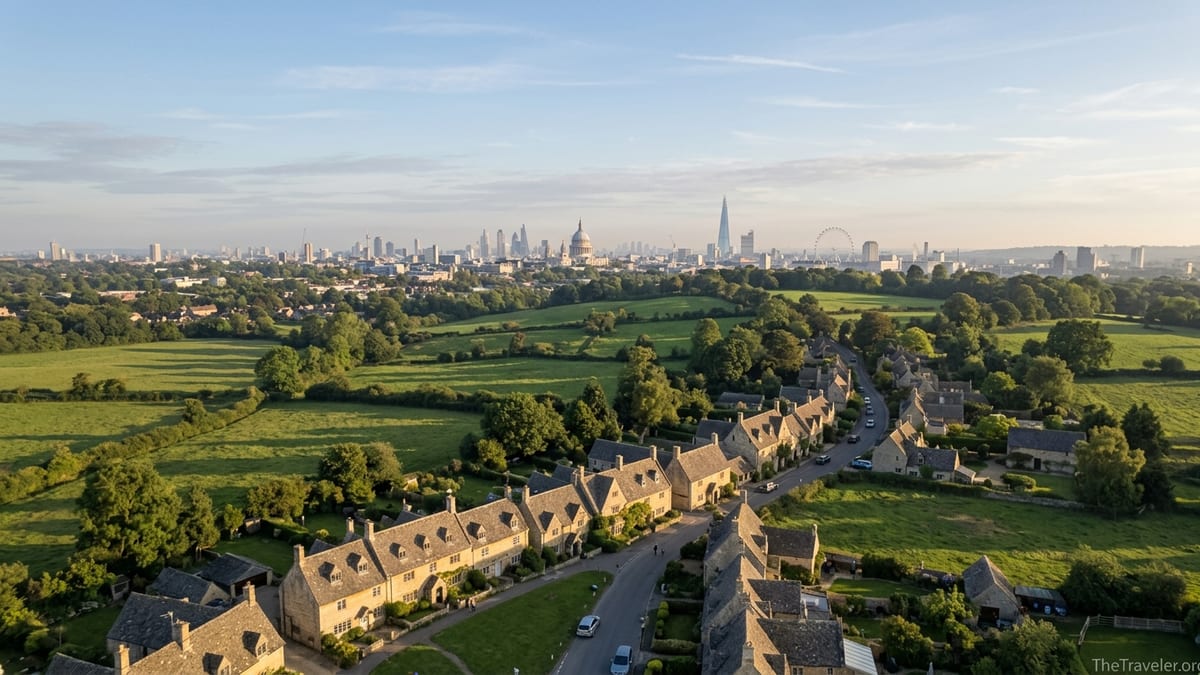
When travelers imagine England, they often picture London’s skyline, honey-stone villages in the Cotswolds, or wind-battered cliffs in Cornwall. Each of these images is accurate, but they sit hundreds of miles apart and offer very different trips in practice. A week based in the Lake District, for example, can cost less per night than central London but will involve more time on buses or in a hire car. A weekend in Bath offers walkable elegance and Roman history, while Manchester rewards visitors looking for live music and nightlife rather than stately homes.
Practical considerations matter as much as the postcards. London, Oxford, Cambridge, Bath and Brighton are all easily reached by direct train from London terminals in roughly 1 to 1.5 hours, though prices vary widely depending on how far in advance you book and whether you travel at peak times. Reaching the Lake District or Cornwall usually involves a longer rail journey plus a change of train or a local bus, so these regions reward visitors with at least three or four nights.
Your interests should lead your planning. First-time visitors who want iconic sights and museums tend to favour London, Bath and York. Walkers and nature lovers often choose the Cotswolds, Lake District or Northumberland. Beach seekers are drawn to Cornwall, Brighton and parts of Northumberland’s coast. Travellers keen on nightlife, football and contemporary culture find a strong match in Liverpool and Manchester. Many trips work best as a mix: a few nights in a city combined with a countryside or coastal base within half a day’s travel.
Budget also shifts the equation. A central London hotel room in peak summer can easily cost several times more than a guesthouse in Keswick in the northern Lake District or a bed and breakfast just outside York’s city walls. Eating out in major cities often means higher prices, although the choice of inexpensive cafés, high-street chains and takeaways is much broader than in small villages.
London and the Great University Cities: Culture, Museums and Easy Transport
London remains the obvious starting point for many trips, and with good reason. It offers blockbuster sights in a compact core: visitors may spend one morning around Westminster taking in the exterior of the Houses of Parliament and Big Ben, then walk or ride the Underground to South Kensington for free-entry museum collections. Families report that clustering attractions by area, rather than zig-zagging across the city, saves money on public transport and cuts down on travel fatigue with children.
Beyond the headline sights, London works well for travelers who value variety. In a single day you can browse food stalls at Borough Market, stroll the South Bank for views of the Thames and skyline, and finish with a play in the West End. Accommodation options range from big-brand hotels near mainline stations to self-catering apartments in zones three or four, which can be significantly cheaper but involve longer journeys into the centre.
Oxford and Cambridge appeal to travellers who like the idea of a smaller, historic city with a strong sense of place. Both are realistic day trips from London by direct train, but staying overnight allows you to enjoy the quieter evenings once day-trippers depart. In Oxford, visitors often focus on college courtyards, the Bodleian Library and riverside walks along the Isis. Cambridge’s highlights include punting along the River Cam past the backs of the colleges, cycling to nearby villages and exploring compact streets lined with bookshops and cafés.
For history and architecture lovers, these university towns are rich but manageable. You can walk between most sights in 10 to 20 minutes, and café prices are often lower than in central London. However, accommodation inside the historic cores can be comparable in price to mid-range London hotels, especially during university events and graduation periods, so booking early helps.
Bath and York: Living History in Walkable Cities
Bath and York are among England’s best choices for travellers who want deep history and handsome architecture but prefer not to hire a car. Both cities have compact centres, good rail connections and a high density of sights within a short walk. Bath’s Georgian crescents and terraces give the city a harmonious feel, while York’s medieval streets and city walls feel older and more varied.
Bath’s main draw is its Roman and Georgian heritage. The Roman Baths remain one of Britain’s most-visited historic attractions and have recently been recognised among the top visitor experiences nationally. Inside, travellers move through atmospheric rooms, see the steaming Great Bath and view artefacts that explain how the settlement developed around a natural hot spring. Across the street, Bath Abbey offers tower climbs for views across the city’s rooftops, and the Royal Crescent showcases the city’s famous curved façade of honey-coloured stone.
York offers a different slice of history. York Minster dominates the skyline and repays the entry fee with impressive stained glass and the option to climb the tower. Many visitors then walk a section of the city walls, which circle the centre and provide views down into back gardens, church spires and the River Ouse. The Shambles, a narrow medieval street with overhanging timber-framed buildings, is lined with small shops and cafés. Railway enthusiasts may spend a half day at the National Railway Museum, which has free entry and displays historic locomotives and carriages.
For most travellers, one to three nights in either Bath or York is enough to see the main sights at a relaxed pace. These cities work well at the start or end of a trip, combined with London, or as gentle bases for older visitors who prefer level walking and plenty of places to sit. Both cities are popular with weekend visitors, so midweek nights often feel calmer and can be cheaper.
Cotswolds and Lake District: Quintessential Countryside Escapes
The Cotswolds and the Lake District are two of England’s most photographed rural regions, but they offer noticeably different experiences. The Cotswolds, lying roughly between Oxford and Bristol, is characterised by rolling hills and villages built in warm limestone. Popular bases like Bourton-on-the-Water, Stow-on-the-Wold and Chipping Campden attract day-trippers in peak season, so travellers who value quieter evenings sometimes stay in slightly larger towns on the edge of the region and drive or bus into the central villages during the day.
For visitors, the Cotswolds is as much about atmosphere as individual sights: afternoon tea in a village tea room, browsing antique shops in a market town, or walking between villages along waymarked footpaths. Many travellers without a car join small-group tours from cities like Oxford or London, which cover several villages in a day. Those willing to drive find that staying two or three nights allows enough time for scenic routes, farm shops and short circular walks that start and finish at a pub.
The Lake District, further north, is wilder and more mountainous. It is England’s largest national park and a UNESCO World Heritage Site, known for its lakes, fells and association with writers like William Wordsworth and Beatrix Potter. Visitors commonly base themselves in hubs such as Ambleside, Bowness-on-Windermere, Windermere town, Grasmere or Keswick, each with a different feel. Ambleside and Bowness are busy lakeside towns with frequent boat services and plenty of restaurants, while Keswick on Derwentwater offers easy access to walking routes and a lively but slightly less commercial atmosphere.
This region especially suits travellers keen on walking, scenic drives and boat trips rather than formal attractions. Even short, low-level walks around lakes can be rewarding, while fitter visitors tackle classic fells. Public transport connects main towns reasonably well, and boats on lakes like Windermere and Derwentwater allow car-free sightseeing. However, rural buses may run less frequently in the evening, so travellers relying on public transport should check timetables when choosing where to stay.
Cornwall, Brighton and Northumberland: Coastlines for Different Moods
England’s coast is remarkably varied, and three regions in particular appeal strongly to beach-focused travellers: Cornwall in the far south-west, Brighton on the south coast near London, and Northumberland in the north-east. Each offers a different balance of atmosphere, accessibility and crowds. Choosing between them often comes down to how much time you have and whether you prefer lively resorts or quieter stretches of sand and dunes.
Cornwall feels almost like a separate country to many visitors, with its own language heritage, distinct food traditions and a jagged coastline that alternates between sheltered coves and exposed cliffs. Towns such as St Ives and Newquay are among the most popular bases. St Ives combines sandy beaches with art galleries and a compact, hilly old town of narrow streets, while Newquay is strongly associated with surfing, surf schools and family-friendly attractions. Travellers flying into the region often use Newquay as a gateway before moving on to coastal villages or harbour towns such as Fowey or Padstow.
Brighton offers a different type of seaside break. Just an hour or so by train from London, it is ideal for short trips and long weekends. Instead of long sandy beaches, Brighton has a shingle shoreline backed by a broad promenade, a pier with rides and arcades, and a compact grid of lanes packed with independent shops, cafés and bars. It suits travellers who enjoy nightlife, live music and street life as much as sea air. Because it is so easy to reach from London, accommodation prices in peak summer and on sunny weekends can be high compared with some northern resorts.
Northumberland, by contrast, offers space and relative quiet. Its coastline is known for broad sandy beaches backed by dunes, interrupted by castles such as Bamburgh and Dunstanburgh that sit dramatically above the shore. Inland, Hadrian’s Wall and its forts preserve traces of the Roman frontier. Bases such as Alnwick, Seahouses and smaller coastal villages work well for travellers who prioritise long walks, birdlife and starry night skies over urban distractions. This region particularly rewards visitors with a car, though limited bus services connect some of the main sights.
Liverpool and Manchester: Modern Culture, Football and Nightlife
Liverpool and Manchester showcase a more contemporary side of England than historic centres like Bath and York. Both cities are strongly associated with music, football and industrial heritage, and both can work as stand-alone weekend destinations or as gateways to wider regions. Rail links from London typically take around two to three hours depending on the service, and both cities have airports with flights from other parts of Europe.
Liverpool’s identity is closely tied to maritime trade and popular music. Visitors often combine time at the revitalised waterfront, with its museums and riverside views, with walking tours that explore the city’s connections to the Beatles. The compact centre makes it easy to explore on foot, and the Ten Streets and Baltic Triangle areas have become known for street art, creative spaces and nightlife. Football fans often try to secure tickets for matches at Anfield or Goodison Park, though high demand means many settle for stadium tours instead.
Manchester positions itself as a confident modern city with a growing skyline and cultural scene. The Northern Quarter is known for independent bars, cafés and record shops, while the area around Deansgate and Spinningfields has large shopping, dining and nightlife complexes. Major football clubs draw visitors for tours and match days, and new cultural venues and performance spaces continue to open in regenerated industrial areas.
Both cities suit travellers who prioritise live events, music and sport over countryside views, and they can be more affordable than London in terms of accommodation and eating out. Day trips to nearby destinations are also straightforward: from Liverpool, trains run to coastal towns on the Wirral and up the Mersey estuary, while from Manchester it is possible to reach the Peak District, historic mill towns and, with a longer journey, the Lake District.
Matching Destinations to Traveler Types and Budgets
While every traveller is different, some patterns emerge when matching England’s destinations to common travel styles. First-time international visitors with a week to spare often split their time between London and one or two smaller bases. A typical route might involve three or four nights in London for museums and famous landmarks, two nights in Bath or Oxford for a smaller-city feel, and two or three nights in the Cotswolds or Lake District for countryside. This balance offers urban variety, history and scenery without constant one-night stays.
Couples or solo travellers who prefer slower days and scenic walks often favour the Cotswolds, Lake District, Cornwall or Northumberland. In these regions, it is realistic to spend less per day on attractions because many activities revolve around walking, beaches and viewpoints rather than ticketed sights. Costs are more concentrated in accommodation, meals and transport. Travellers without a car sometimes base themselves in well-served towns like Keswick or Windermere in the Lake District, or larger Cornish towns on main bus routes, to keep local travel simple.
Families with children may prioritise a mix of structured attractions and open spaces. London can work well as long as days are not over-scheduled and activities are grouped by area to reduce time on the Underground or buses. Coastal bases in Cornwall or Northumberland provide beaches and outdoor activities that can fill days at relatively low cost once you are there. City breaks in Liverpool or Manchester suit families with older children interested in football, music and interactive museums.
Travellers on tighter budgets often look beyond the obvious hotspots. Staying just outside the centre of Bath or York, for example, and walking or taking short bus rides into town can reduce accommodation costs. In the Lake District, choosing a base slightly away from the busiest lakeside villages but still on main bus routes can provide better value. In major cities, self-catering apartments or guesthouses in residential districts connected by train or tram can be significantly cheaper than central hotels, even after accounting for daily transport costs.
The Takeaway
Choosing where to visit in England is less about identifying a single “best” place and more about matching destinations to your interests and practical needs. London, Oxford, Cambridge, Bath and York deliver world-class history, museums and architecture in walkable settings. The Cotswolds and Lake District provide countryside escapes, from gentle village strolls to serious fell walking. Cornwall, Brighton and Northumberland show three quite different faces of the English coast, while Liverpool and Manchester highlight music, sport and modern urban culture.
With good rail links and a dense network of regional buses, it is possible to combine several of these regions in one trip without hiring a car, though rural areas remain easier with your own transport. Think about how much time you want to spend travelling versus staying put, how far your budget will stretch in peak season, and whether you prefer lively evenings or quiet nights. With those questions answered, England offers a range of destinations that can be tailored to almost any traveler type.
FAQ
Q1. Is London essential on a first trip to England?
London is not strictly essential, but for many visitors it provides an efficient introduction to English culture, museums and transport, and connects easily to most other regions.
Q2. Should I rent a car to visit the Cotswolds or Lake District?
A car offers more flexibility in both regions, especially for smaller villages and rural walks, but it is possible to visit main hubs and some sights using trains, buses and local tours.
Q3. How many days do I need in Bath or York?
Two nights in Bath or York is usually enough to see main sights without rushing, though history enthusiasts could comfortably fill a third night with additional museums and walks.
Q4. Which coast is better for beaches: Cornwall, Brighton or Northumberland?
Cornwall and Northumberland offer longer sandy beaches and wilder scenery, while Brighton’s appeal lies more in its promenade, pier and nightlife than in classic sand beaches.
Q5. Is the Lake District suitable for travelers who are not serious hikers?
Yes, many low-level lake circuits, boat trips and short viewpoints require only modest fitness, and towns like Bowness and Keswick offer plenty of cafés, shops and short strolls.
Q6. Are Liverpool and Manchester good choices for families?
They can be, especially for families interested in football, music and interactive museums, though families with very young children may prefer smaller, slower-paced bases.
Q7. When is a good time to visit England to avoid peak crowds?
Late April to early June and September to early October usually offer milder weather and fewer crowds than school holidays in July, August and around Easter and Christmas.
Q8. Can I visit Oxford, Cambridge or Brighton as day trips from London?
Yes, frequent trains make all three realistic day trips, though staying one night can make the pace more relaxed and allow you to enjoy evenings once day-trippers have left.
Q9. Is Northumberland too remote for a short visit?
Northumberland involves longer travel times from London, but for travellers arriving via northern airports or combining it with Scotland, a three or four night stay works well.
Q10. How should I split time between cities and countryside on a 10-day trip?
A balanced approach might be four nights in a major city such as London or Manchester, three nights in a smaller historic city like Bath or York, and three nights in countryside or on the coast.