


The English country house hotel is one of travel’s great pleasures: open fires after long walks, walled gardens and lawns that seem to run on forever, proper afternoon tea, and the sense that London is a world away, even when it is barely an hour by car. Southern England has one of the richest concentrations of these estates, from Hampshire and the New Forest to Wiltshire, Berkshire, Surrey and Sussex, and the Cotswolds fringe near Bath. This guide focuses on a handful of standout properties to help you choose the right stay, whether you are planning a romantic escape, multigenerational celebration or a spa weekend with friends.
What Defines a Classic Southern English Country House Stay
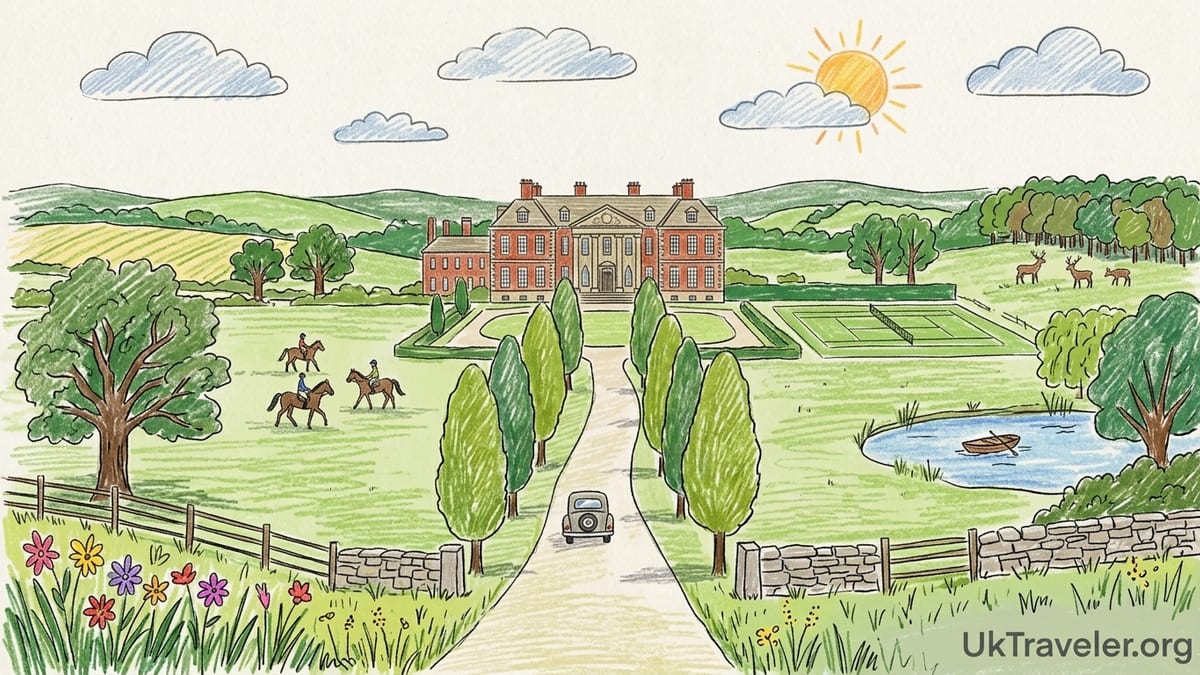
Across Hampshire, Wiltshire, Sussex, the New Forest and the Cotswolds, “country house hotel” generally means a historic manor or former private home, often 17th or 18th century, set in extensive landscaped grounds. Expect long driveways, specimen trees, formal lawns and woodland walks. At Lainston House near Winchester, for example, the approach is through 63 acres of grounds, including what is described as one of the longest lime avenues in England, which immediately sets the tone for a weekend that is about space and fresh air as much as about interiors.
Inside, the atmosphere is usually more house than hotel: sitting rooms instead of lobbies, log fires in winter, shelves of books and deep sofas. The top tier of properties in southern England pair this homely feel with professional service and serious cooking. At Lucknam Park in Wiltshire, the late 17th century house now anchors a five star hotel and spa, yet the core experience is still arriving up a long, tree-lined drive and stepping into a hall that feels like a grand family home rather than a resort.
Because many of these hotels evolved from private estates, no two are quite alike. Some focus on wellness and food, such as Heckfield Place in Hampshire with its biodynamic farm feeding restaurants on site. Others lean into sport and country pursuits, from riding and clay shooting at Lucknam Park to golf and cookery schools at places like Lainston House. When choosing, it is worth thinking less about star ratings and more about which type of estate lifestyle suits you.
Access is another defining feature. One reason southern England is so well served with country houses is its proximity to London and the main motorway and rail arteries. Many of the most desirable addresses, from the New Forest’s Chewton Glen to Berkshire’s Cliveden, are within roughly 60 to 90 minutes by car or train from the capital in typical traffic. That makes them practical for long weekends, celebrations and even one-night escapes.
Hampshire Highlights: Heckfield Place, Lainston House and New Forest Grandees
Hampshire may be the strongest single county for high-end country house hotels that still feel rooted in the landscape. Heckfield Place, near the village of Heckfield, is a Georgian Grade II listed manor set in a 438 acre estate. The house is surrounded by woodland, lakes and a working organic and biodynamic farm that supplies its restaurants, so stays here feel closely tied to the changing seasons. It suits travellers who prioritise food provenance, design and a quietly luxurious atmosphere over overt formality.
Rooms at Heckfield Place are generally priced at the top end of the market, and the estate feels deliberately secluded, so it works particularly well for romantic trips, honeymoons and design-conscious couples. Spa and wellness facilities, centred around the Bothy by Wildsmith, focus on nature-led treatments, and there are estate activities such as guided walks, rowing on the lake and introductions to biodynamic farming. Car access is straightforward from the M3 and M4 corridors, with typical drive times from west London of around one to one and a half hours depending on traffic.
Lainston House, close to Winchester, offers a slightly more traditional country house experience. This 17th century red brick house sits in over 60 acres of grounds, with terraces running down from the garden front into parkland and that famous lime avenue. The hotel balances couples and families: there is a cookery school, a variety of room types and dog friendly policies in some categories, which makes it a good option for multigenerational gatherings or celebrations where you want the feel of a private estate but the flexibility of a full-service hotel. Dining is an important part of the offer here, with a focus on modern British cooking and local produce.
On the southern edge of Hampshire, nudging into the New Forest National Park, Chewton Glen is often cited as a benchmark for the classic English country house hotel. Set in roughly 130 acres of grounds, including lawns, woodland and kitchen gardens, it combines traditional main house bedrooms with contemporary treehouse suites tucked into the forest. This mix means you can have a glamorous couple’s stay in a suite with a hot tub on a terrace among the trees, or a very family focused break using the kids’ club, outdoor play areas and child friendly pools. From London, most guests drive down the M3 and A35, with typical journey times of around two hours in moderate traffic.
Wiltshire, Bath Fringe and the Cotswolds Edge
Just over the border in Wiltshire, Lucknam Park occupies a particularly attractive position for travellers who want both rural calm and easy access to Bath and the southern Cotswolds. The property is a Grade II listed house at the centre of an estate of around 500 acres of parkland and woodland. A long, imposing driveway lined with trees builds a sense of arrival that feels very much in keeping with a traditional English country seat. Yet once you are checked in, the atmosphere is relaxed rather than stiff, with plenty of space for children to explore as well as corners for couples to find privacy.
The hotel is known for its large spa, housed in a modern building that nonetheless sits discreetly within the grounds. Facilities typically include indoor and outdoor hydrotherapy pools, thermal cabins and treatment rooms. This makes Lucknam Park suited to wellness weekends, especially in cooler months when you might spend a morning walking the estate, then retreat to the spa before dinner in its flagship restaurant, which has a reputation for refined, tasting menu style dining built around seasonal ingredients.
Lucknam Park also reflects the more active side of country house life. Guests can ride at the on-site equestrian centre, book clay pigeon shooting, play tennis or borrow bicycles to explore local lanes. Families make good use of these facilities, and while the ambience is certainly luxurious, it is not a place where children feel out of place. Driving times from Bath can be as little as 20 to 30 minutes, and from London roughly two hours by car. Travellers arriving by train often come via Bath Spa or Chippenham, then connect by taxi.
The broader Bath and Cotswolds fringe is dotted with smaller manor house hotels that appeal to travellers looking for stone villages, rolling hills and honey-coloured architecture. While this guide focuses on major names, it is worth noting that some properties here function almost like large private homes with a few well-appointed rooms and intimate dining rather than full spa complexes. These can be ideal if your priority is walking sections of the Cotswold Way or exploring Bath’s Georgian crescents by day, returning to a quiet drawing room and log fire in the evening.
Berkshire, Surrey & Sussex: Country Houses Within Easy Reach of London
For London-based travellers or international visitors arriving into Heathrow, the belt of Berkshire, Surrey and Sussex offers some of the most convenient country house stays in England. Berkshire’s standout is Cliveden, a grand stately home hotel set high above the River Thames, surrounded by formal gardens and woodland that are open to the public by day. Guests, however, also enjoy access to more private areas of the estate, along with indoor and outdoor pools and a spa. The house is steeped in political and social history, which creates a distinct mood: weekends here feel glamorous and grown up, and the property is especially popular for anniversaries and special occasion stays.
Driving from central London to Cliveden can take around an hour in light traffic, and the property works well as a last stop for travellers returning to Heathrow, which is often less than 30 minutes away by car. Dining skews formal, with multi course dinners in the main restaurant and the option of afternoon tea in rooms overlooking the river or gardens. Families are welcomed but the tone is more adult, so parents with very young children might find Hampshire or the New Forest more relaxed.
Surrey and Sussex, to the south and south west of London, are rich in smaller manor houses and spa hotels, many on the edges of the Surrey Hills and South Downs. These estates appeal to travellers who want rolling countryside, vineyards and access to historic towns such as Guildford, Arundel and Lewes without committing to a three hour drive. Properties in this region often emphasise outdoor terraces for summer dining, small but stylish spas, and walking routes that lead directly into the surrounding hills. Pricing can be more moderate than at the headline Hampshire or Cotswolds addresses, especially midweek.
Because these counties are heavily commuter belts, car access is usually straightforward via the M25, A3 and A24, and rail connections from London Waterloo and London Victoria are frequent. When planning, it is wise to check whether your chosen estate has a long private driveway or is closer to a main road, as that can significantly affect the sense of seclusion once you arrive.
The New Forest: Woodland Escapes and Family Friendly Estates
The New Forest, straddling the border of Hampshire and Dorset, offers a slightly different flavour of country house stay. Here, the defining images are ponies grazing on open heath, ancient oaks and beeches, and low forest light. Country house hotels in and around the national park, such as Chewton Glen on the coastal fringe and others deeper in the woodland, draw heavily on outdoor activities and access to nature. Guests commonly split their days between walks among the ponies, bike rides on marked trails and time in the spa or pool back at the hotel.
Chewton Glen illustrates how New Forest properties often cater particularly well to families. In addition to its main house rooms and suites, it has a cluster of treehouse suites in the woodland with features like outdoor hot tubs and floor to ceiling windows. For children, there are supervised clubs, adventure playgrounds and pools, together with simple access to the beach and to family attractions further afield, including wildlife parks and theme parks. Yet adults still get an unabashedly luxurious experience, with a full spa, serious dining and polished service.
Some New Forest estates lean more towards couples, emphasising candlelit dinners, quiet lounges and small spa facilities. Others embrace dogs as integral guests, providing washing stations, dog hampers and information on local walks. This is a region where it pays to match your hotel closely to your party: if you are planning a romantic anniversary, you may want to avoid stays that market heavily to families in school holidays, whereas for a three generation gathering at Christmas or Easter a hotel with lots of built in activities can be invaluable.
In practical terms, the New Forest is one of the more accessible national parks in England. Most country house hotels here sit around 90 to 120 minutes’ drive from London or about 30 to 40 minutes from Southampton Airport, traffic permitting. Car is still the most flexible way to reach them, especially if you plan to explore multiple villages and trailheads, but there are rail stations at Brockenhurst, New Milton and other forest towns with direct services from London Waterloo, making taxi transfers viable.
How to Choose the Right Estate: Grounds, Spa, Dining and Access
When you are faced with an array of around eighty or more country house hotels across southern England, it helps to prioritise the aspects that matter most to your trip. Grounds are a good starting point. If you dream of long walks without getting in the car, look for properties with several hundred acres or more, such as Heckfield Place or Lucknam Park. If you are content with formal gardens and short strolls, a smaller estate near a village or national park trailhead may be enough, especially if you plan day trips by car.
The spa offering can be just as important. Some houses now run destination spas with full hydrotherapy circuits, large treatment menus and indoor-outdoor pools. Lucknam Park and Chewton Glen fall into this category, making them ideal for wellness weekends and group trips where time in the spa is central. Others, such as some historic houses in Surrey and Sussex, may have small treatment rooms and a modest pool, offering relaxation rather than a full spa resort feel. It is worth checking in advance whether access to spa facilities is included for all guests or limited to certain room types or packages.
Dining style should also weigh heavily in your choice, as most country houses are not in walking distance of alternative restaurants. Some estates run multiple venues, from fine dining rooms to relaxed brasseries or lounges for more informal meals. At food-focused addresses such as Heckfield Place, menus showcase produce from their own farms and gardens, while at traditional houses like Cliveden, dinner often leans towards classic, multi course menus with white tablecloths. Families may prefer hotels that offer early children’s suppers and simplified menus alongside main restaurant service.
Finally, consider the practicalities of getting there and around. If you are arriving from overseas, properties in Berkshire, Surrey, Sussex and north Hampshire can often be reached from Heathrow or Gatwick in under 90 minutes by car, which reduces travel fatigue. Those in Wiltshire and on the Cotswolds edge often work well paired with a few days in Bath or the Cotswolds villages, especially if you are comfortable renting a car. Parking at these hotels is typically included, but electric vehicle charging provision varies, so check ahead if that matters to you.
Romantic Escapes vs Family Gatherings
One of the strengths of southern England’s country house scene is that it can cater to both couples and families, albeit often at different properties or at different times of year. For a romantic escape, many travellers look for smaller houses with fewer rooms, plenty of adult focused spaces and a reputation for quiet. Heckfield Place, the main house at Lucknam Park outside school holidays and certain suites at Lainston House or Cliveden can all serve this purpose. Key details to check include whether there are adults only spa areas, if the hotel hosts weddings or events on your chosen dates and whether the bar and restaurant skew to a more grown up crowd.
For family trips, especially with younger children, the equation changes. Here you want acreage to run around, clear family facilities and a relaxed attitude to noise at breakfast. New Forest properties like Chewton Glen, parts of Lucknam Park and some larger Sussex and Surrey estates design their operations around this, with kids’ clubs, babysitting options, interconnecting rooms and family suites. It is common to find packages that bundle children’s suppers, family swim sessions and outdoor activities such as pony rides or treasure trails during school holidays.
Multigenerational gatherings are where the house-like nature of these hotels really comes into its own. Many will arrange private dining rooms for big birthday dinners or anniversaries, and some can be partially or wholly hired on an exclusive use basis, particularly in the shoulder seasons. When assessing options, ask specifically about ground floor rooms or lift access for older relatives, as many historic houses have stairs and split levels. Also find out whether the estate can accommodate different interests: perhaps golf or riding for some, spa time for others and guided walks or local cultural visits for the rest.
In both romantic and family scenarios, rates can vary significantly between midweek and weekends, and between high summer, Christmas and quieter months such as March or November. Booking midweek outside school holidays often secures more competitive pricing and a calmer atmosphere, which can make even very high-end properties feel better value.
The Takeaway
Southern England’s country house hotels range from intimate manors with log fires to full scale estates with biodynamic farms and destination spas. What they share is a sense of escape that feels uniquely English: gravel crunching under tyres as you arrive, the sight of lawns or parkland rolling away from a stone or brick façade, and the comfort of returning to the same sitting room and familiar staff over the course of a stay.
Hampshire and the New Forest tend to lead for large, full service estates that blend romance, family friendliness and strong spa offerings. Wiltshire and the Bath fringe bring grand drives, serious dining and equestrian or wellness facilities, while Berkshire, Surrey and Sussex major on convenience and easy access from London and the airports. The Cotswolds edge completes the picture for those who want villages and countryside views to match their house.
If you focus on a handful of criteria grounds, spa, dining, family versus couple suitability and car access you can quickly narrow a long list of around eighty or more hotels to the two or three that genuinely match your trip. From there, you are choosing not just a place to sleep, but a style of English rural life to inhabit for a few precious days, whether that means fireside martinis and tasting menus or muddy boots, kids tearing across lawns and swims before supper.
FAQ
Q1. How far in advance should I book a popular country house hotel in southern England?
For peak weekends between May and September, as well as Christmas and New Year, it is sensible to book three to six months ahead, especially for top tier estates such as Heckfield Place, Chewton Glen or Lucknam Park. Midweek stays outside school holidays can often be secured at six to eight weeks’ notice, though specific room types may still sell out earlier.
Q2. Do I need a car to enjoy these country house hotels?
A car gives the most flexibility for exploring villages, pubs and trailheads, and many estates assume guests will drive. That said, several of the best known hotels are within 20 to 30 minutes’ taxi ride of mainline rail stations, so a car free stay is possible if you are content to remain mostly on the estate and use taxis sparingly for excursions.
Q3. Are children welcome at luxury country house hotels?
Policies vary, but many southern English country houses actively welcome families, particularly in the New Forest and at large estates like Lucknam Park or Lainston House. Look for hotels that advertise kids’ clubs, children’s menus and family rooms if you are travelling with younger guests, and consider visiting outside peak adult focused periods such as Valentine’s weekend.
Q4. Which areas are best for a first time country house stay near London?
For a first trip, Hampshire, Berkshire and Surrey or Sussex work well because journey times by car are often around one to one and a half hours from central London in normal traffic. This makes a two night stay feel relaxed rather than rushed. The New Forest is slightly further but still manageable for a long weekend, especially if you value access to a national park and the coast.
Q5. How expensive are these hotels compared to other UK stays?
Rates at leading country house hotels in southern England are generally at the upper end of the UK market, reflecting their grounds, facilities and proximity to London. Entry level rooms can sometimes be found at more moderate prices midweek in shoulder seasons, while suites, treehouses and high season weekends are priced as clear luxury experiences.
Q6. What should I pack for a stay at a country house hotel?
Pack comfortable shoes and practical layers for walks in the grounds, plus swimwear if your hotel has a pool or spa. In the evenings, many guests opt for smart casual clothing: dresses, shirts and jackets rather than formal black tie. In winter, a warm coat and waterproof footwear are essential if you want to make the most of the countryside.
Q7. Are country house hotels suitable for guests with limited mobility?
Some historic houses have lifts and accessible rooms, while others are full of steps and split levels. If mobility is a concern, contact the hotel before booking to ask about ground floor rooms, step free access to dining and spa areas, and accessible bathrooms. Larger estates are often able to provide golf buggies or staff-driven vehicles to help guests get around the grounds.
Q8. Can I bring my dog to a country house hotel?
Dog policies differ widely. Many rural estates in the New Forest, Cotswolds and parts of Hampshire set aside specific rooms or lodges for guests travelling with dogs and provide beds, bowls and walking maps. Others, particularly houses with very formal interiors, may not accept pets at all. Always confirm pet rules, surcharges and any restricted areas before you book.
Q9. Do these hotels offer day spa or afternoon tea options for non residents?
A number of country house hotels open their spas and drawing rooms to non resident guests on a limited basis, especially midweek. Day spa packages and traditional afternoon teas are common, often requiring advance reservation. This can be a good way to sample a property before committing to an overnight stay, though availability is typically tighter at the most in demand estates.
Q10. Is tipping expected at English country house hotels?
Many hotels add a discretionary service charge to food and beverage bills, and sometimes to room accounts. Beyond that, tipping is optional and based on personal satisfaction. Guests often leave additional gratuities for exceptional service from porters, spa therapists or housekeeping, but there is no strict expectation to tip at a particular percentage in the way you might find in some other countries.