


The United Kingdom can feel familiar from films and television, yet a first visit still holds plenty of surprises. Distances are shorter than many visitors expect, but regional cultures, accents and landscapes shift quickly as you travel from London’s glass towers to Scottish highlands, Welsh valleys and the coastlines of Northern Ireland. This guide brings together the essentials first-time visitors need: how to choose where to go, what things really cost on the ground, how trains and buses work, when to travel, and how to plan an itinerary that fits both your budget and your timeframe.
Understanding the UK: Regions, Highlights and Distances
The United Kingdom is made up of four nations: England, Scotland, Wales and Northern Ireland. On a first trip, most visitors focus on England and Scotland with a few days in London and Edinburgh, then add either countryside in the Cotswolds or Lake District, coastal days in places like Cornwall or Brighton, or a short hop to Belfast and the Giant’s Causeway. While the entire island of Great Britain is roughly the size of the US state of Oregon, travel times can still be longer than they look on a map because many routes use older rail lines, regional roads and congested corridors in and out of London.
London is usually the entry point, thanks to Heathrow, Gatwick and other airports with direct flights from North America and Europe. From central London, fast intercity trains reach cities like Edinburgh, Manchester, Cardiff and York in roughly 2 to 5 hours. As a rough guide, London to Edinburgh by direct train is often about 4.5 to 5 hours, London to Manchester around 2 to 2.5 hours, and London to Cardiff around 1 hour 50 minutes. Flights link London to Belfast and other regional airports in under 1.5 hours of flight time, though you must factor in extra time for airport transfers and security.
For a first visit of 7 to 10 days, it is usually better to combine a few key bases and explore around them rather than trying to “do” the entire country. A classic 10-day outline might be 4 nights in London, 3 in Edinburgh, and 3 in a countryside region like the Cotswolds or the Lake District. With two weeks, you can add Wales or Northern Ireland without rushing. Distances between major cities are manageable by train, but driving between small towns in rural England or the Scottish Highlands is often slower than expected due to narrow roads, roundabouts and speed limits that frequently drop as you pass through villages.
First-time visitors are often surprised by how quickly the atmosphere shifts from region to region. London feels like a global metropolis, while cities such as Bath, York and Chester preserve Roman walls and Georgian terraces. In Scotland, Edinburgh’s Old Town and castle sit above a compact city centre, while Glasgow has a grittier, creative feel with Art Nouveau architecture and live music venues. In Wales, Cardiff’s regenerated waterfront contrasts with slate landscapes in Snowdonia, and in Northern Ireland, visitors can move from Belfast’s political murals and Titanic Quarter to the rural Antrim coast in a single day.
London and Edinburgh: Essential First-Timer Experiences
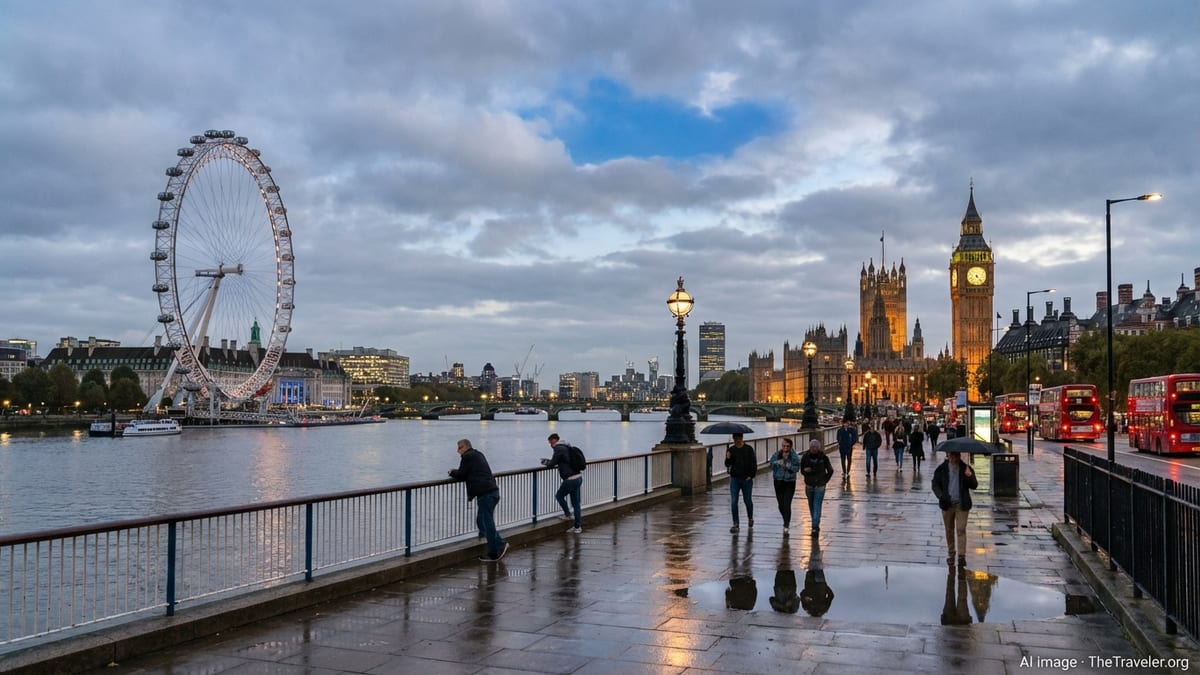
Most first-time itineraries center on London and Edinburgh, two capital cities with very different personalities. In London, first-timers usually focus on a triangle that includes Westminster (for Big Ben, the Houses of Parliament and Westminster Abbey), the South Bank (for views of the skyline and the London Eye) and the area around Trafalgar Square, Covent Garden and Soho. Many of London’s flagship museums, such as the British Museum, National Gallery and Tate Modern, do not charge general admission, which helps balance the city’s high accommodation and food costs. A typical paid attraction like the Tower of London or a river boat tour can easily cost several dozen pounds per adult, so mixing in free parks and museums is a good way to control spending.
For a practical example, a visitor staying in a mid-range hotel near King’s Cross might start the day with a walk through Regent’s Park, take the Tube to Westminster for a guided tour of Parliament, then stroll along the South Bank past the National Theatre and Shakespeare’s Globe before crossing back to explore Borough Market’s food stalls. In the evening, they might head to the West End for a theatre show, where ticket prices can range widely, from relatively affordable last-minute seats to premium stalls that rival New York prices.
Edinburgh, by contrast, is compact and walkable, built around two main axes: the medieval Old Town and the Georgian New Town. First-timers typically tour Edinburgh Castle, follow the Royal Mile down toward Holyrood Palace and the Scottish Parliament, and climb Calton Hill or Arthur’s Seat for sweeping city views. Because the city is smaller, many visitors stay within walking distance of the major sights, in areas such as the Old Town, New Town or the Grassmarket. During peak festivals in August, including the Edinburgh Festival Fringe, hotel prices and availability change dramatically, so first-time visitors arriving at that time should book months in advance and expect minimum stays and higher room rates.
Travel between London and Edinburgh is most straightforward by rail. Direct services from London King’s Cross typically take around 4.5 to 5 hours, with standard advance fares often significantly cheaper when booked weeks ahead, especially on off-peak trains outside weekday rush hours. An alternative is to fly between the cities, with flight times of around 1 hour 15 minutes, but the time and cost of transfers to and from airports can erase much of the time saving. For many first-timers, the train is the more relaxed option, offering countryside views of the east coast of England and the Scottish Borders.
Exploring England, Scotland, Wales and Northern Ireland Beyond the Capitals
Outside London and Edinburgh, the UK’s appeal lies in its varied countryside, smaller cities and historic towns. In England, the Cotswolds offer rolling hills, stone villages and country inns within roughly 2 hours by train and bus or car from London. Visitors commonly base themselves in towns like Moreton-in-Marsh, Stow-on-the-Wold or Bourton-on-the-Water and use local buses or taxis for short hops. The Lake District in northwest England is a different landscape entirely, with glacial lakes, fells and hiking paths around towns such as Windermere, Ambleside and Keswick. Trains from London reach Oxenholme or Windermere in around 3 to 3.5 hours, where visitors transfer to local buses or boats.
In Scotland, many first-time visitors combine Edinburgh with a taste of the Highlands. Popular gateway towns include Inverness, Fort William and Aviemore. From Edinburgh or Glasgow, direct trains to Inverness or Fort William typically take around 3.5 to 4 hours, passing lochs and mountains. Coach tours depart from both cities for day trips to places such as Glencoe, Loch Ness or the Isle of Skye, which can be a practical option for visitors who are not comfortable driving on narrow rural roads or on the left side of the road.
Wales offers coastal scenery, castles and mountain landscapes within a comparably small area. Cardiff, the capital, can be reached from London Paddington in under 2 hours by direct train. North Wales attractions such as Snowdonia (Eryri National Park) and the castles of Conwy and Caernarfon are most easily explored by car or on organized tours from bases like Llandudno or Bangor. Travellers with limited time might take a weekend detour from England, spending a night in Cardiff and another in a coastal or mountain town before returning east.
Northern Ireland is a manageable addition to a UK itinerary, especially from Scotland or northern England. Short flights link Belfast to London, Manchester, Edinburgh and other cities, often in about an hour of air time. Once in Belfast, visitors can explore the Titanic Quarter, walk past political murals in west Belfast with a local guide, and join a day tour to the Giant’s Causeway and the Carrick-a-Rede rope bridge along the Antrim coast. Ferry services also operate between Scotland or northwest England and Northern Ireland, but check sailing times and port locations when planning, as connections to city centres require additional coach or rail travel.
Castles, Coastlines and Countryside: Iconic UK Landscapes
Castles are one of the UK’s signature draws, and first-time visitors quickly discover that not all castles feel the same. Tower of London, Windsor Castle and Edinburgh Castle are among the most visited and come with timed tickets, security checks and structured visitor routes. By contrast, sites such as Bodiam Castle in East Sussex or Caernarfon Castle in Wales feel more like atmospheric ruins and fortresses where you can wander ramparts and towers on your own. Many castles are managed by organizations such as the National Trust or English Heritage, and day admission often costs in the region of a couple of dozen pounds per adult at major sites, with discounts for families and members.
For a concrete example, a visitor based in York could spend a day exploring York Minster and the city walls, then take a short train ride to the ruined cliff-top castles at Scarborough or Whitby on the North Sea coast. At Whitby Abbey, visitors walk among Gothic ruins and look down on a fishing harbor now lined with fish-and-chip shops, bookshops and guesthouses. In Wales, someone staying in Conwy might walk from their guesthouse to the medieval town walls and riverside castle in minutes, then take a local bus into Snowdonia (Eryri) to hike in the national park.
Coastlines vary dramatically across the country. Southern England’s Cornwall and Devon feature sandy coves, surfing beaches and seaside towns like St Ives and Newquay. The Jurassic Coast between Dorset and Devon is known for fossil-rich cliffs and arches like Durdle Door. In contrast, Scotland’s west coast and islands such as Skye or the Outer Hebrides offer rocky shores, wide empty beaches and changing light that can shift from bright sun to mist in a single afternoon. Northern Ireland’s Causeway Coast is defined by basalt columns at the Giant’s Causeway, hedgerow-lined lanes and small villages.
Between these natural highlights, thousands of miles of public footpaths and national trails make walking one of the UK’s simplest pleasures. In the Cotswolds, marked paths link villages, pubs and farm fields so that a visitor could walk from Chipping Campden to Broadway, have lunch at a local inn, then return by a different footpath or bus. On coastal paths in Cornwall, day walkers often travel one direction on foot and take a local bus back. Because the weather is variable, visitors should carry a light waterproof jacket even on apparently sunny days, especially in spring and autumn.
Accommodation, Daily Costs and Practical Budgeting
Prices in the UK have risen over the last few years, particularly in large cities. In London in 2025 and 2026, a simple but well-reviewed mid-range hotel in a central neighborhood often costs somewhere in the low to mid hundreds of pounds per night for a standard double room, with higher prices in peak seasons or around major events. In smaller cities and rural towns, comfortable guesthouses and small hotels are usually more affordable, and traditional bed and breakfasts often include a cooked breakfast of eggs, bacon, grilled tomatoes and toast in the room rate.
Food costs can add up quickly but vary by choice. In London, a budget takeaway meal such as a sandwich and drink from a supermarket meal deal might cost around 5 to 7 pounds, while fast food from an international chain is often in the 7 to 10 pound range for a basic meal. At a mid-range restaurant, a main course and a drink commonly total around 20 to 25 pounds per person, and a fuller dinner with starter, main and drink can run around 25 to 35 pounds per person, particularly in central areas. Outside London, prices are often a little lower, especially in smaller towns where local pubs serve hearty meals that can still come in under 20 pounds per person for a main and a non-alcoholic drink.
For a realistic daily budget, a solo traveler staying in a mid-range London hotel might plan roughly: accommodation in the low hundreds of pounds, 30 to 50 pounds per day for food if mixing supermarket meals, casual lunches and one sit-down dinner, and another 20 to 40 pounds for local transport, attraction entry fees and small extras such as coffee, snacks or souvenirs. Couples sharing a room will find that accommodation costs per person drop substantially, though food and ticket prices remain per person. In rural areas or smaller cities, you can often reduce the accommodation budget by a third or more, especially if staying in guesthouses or self-catering apartments outside peak holiday weeks.
To keep overall costs down, consider strategies such as booking trains in advance for cheaper fares, choosing one or two “big ticket” attractions per city and filling the rest of the days with free or low-cost experiences, and using supermarket meal deals or bakery lunches instead of daily full restaurant meals. Self-catering accommodation with kitchens can reduce breakfast and dinner costs, particularly for families, while still allowing the occasional special meal out in a local pub or restaurant.
Getting Around: Trains, Buses, Driving and City Transport
The UK has an extensive public transport network, and most first-time visitors rely on trains, buses and urban transit rather than renting a car. On intercity routes like London to Edinburgh, Manchester, Cardiff or York, trains are usually the fastest and most comfortable option. Booking in advance typically yields the lowest fares, especially on specific departure times classed as “advance” or “off-peak.” There are also passes for visitors, such as flexible rail passes that allow travel on multiple days within a set period across England, Scotland and Wales, which can make sense for itineraries with frequent rail journeys.
In London, public transport is built around the Underground (Tube), buses, Overground and newer services like the Elizabeth line. Visitors can pay fares using contactless bank cards or mobile payment devices, which are accepted on almost all transport within the London travel zones. Daily caps mean that after a certain spending limit is reached in a single day in the central zones, additional journeys on that day are effectively free, often making this system cheaper and more flexible than buying individual paper tickets. For example, someone staying in central London and taking several Tube and bus journeys across Zones 1 and 2 can reach the daily cap and know they will not spend more than that amount on transport that day.
Outside London, many cities have integrated bus and tram networks. In Manchester, for instance, the Metrolink tram system connects the city centre to outlying neighborhoods and attractions like MediaCityUK, while in Edinburgh trams link the airport to the city centre and buses cover most urban routes. Contactless payment is increasingly standard across the UK, but in some smaller towns and rural buses, drivers may still prefer payment by contactless card or exact cash, so it helps to carry a small amount of local currency.
Renting a car can be useful for exploring rural regions such as the Cotswolds, the Lake District, the Scottish Highlands or North Wales, where public transport is less frequent and villages scattered. Visitors must be comfortable driving on the left, navigating roundabouts and managing narrow country lanes bounded by stone walls or hedges. Car rental prices vary by season, but beyond the daily rate, travelers should also budget for fuel, parking charges in towns and potential daily congestion or low-emission zone fees in cities like London. In many itineraries, a hybrid approach works best: trains between major cities, then a short rental period for specific rural days.
Weather, Seasons and What to Pack
The UK’s weather is famously changeable, and first-time visitors should expect a mix of conditions rather than clear, predictable patterns. According to the UK’s national weather service, the Met Office, the country experiences four distinct seasons, with summer typically running from June to August and winter from December to February. Summers are generally mild compared with many parts of North America and southern Europe, though heatwaves do occasionally occur, especially in the south of England. Winters are mostly cool and damp rather than severely cold, with snow more likely in upland areas such as Scotland’s Highlands and northern England.
Spring (March to May) and autumn (September to November) can be especially variable, with sunshine, showers and wind often arriving in the same day. In spring, days grow longer and parks in cities like London and Edinburgh fill with flowers and budding trees. Autumn can see more frequent storms and strong winds, particularly in coastal and western regions. Rainfall is spread throughout the year, and even summer visitors should pack with showers in mind. Weather can also vary considerably by region, with the west and northwest generally wetter, and the southeast of England often drier and sunnier on average.
For packing, layers are more important than heavy gear for most first-time trips. A light waterproof jacket, a warm mid-layer such as a fleece or sweater, and comfortable walking shoes that can handle damp pavements and muddy paths will serve visitors well in most seasons. In summer, short sleeves and lighter clothing are fine for many days, but a sweater and rain shell still earn their place, especially if you plan to be out in the evening or on the coast. Winter visitors should add gloves, a hat and a warm coat, particularly if heading to the Scottish Highlands or open countryside where wind can make temperatures feel significantly colder than the thermometer suggests.
Because forecasts change quickly, many locals check weather apps daily rather than relying on long-range predictions. Visitors planning outdoor activities like coastal walks or mountain hikes should monitor local forecasts from reliable sources, and be prepared to adjust plans to avoid high winds, heavy rain or poor visibility. On very wet or windy days, museums, historic houses and indoor food markets can provide a comfortable alternative to exposed coastal paths and hilltops.
Planning Your First UK Itinerary
When planning a first UK itinerary, start with how many full days you have on the ground, then select one to three main bases rather than a long list of cities. For a week, many visitors choose London plus either Edinburgh or a countryside region like the Cotswolds, the Lake District or North Wales. With 10 to 14 days, you can comfortably include both London and Edinburgh plus one or two smaller regions or cities such as Bath, York, the Cotswolds, the Scottish Highlands, Snowdonia or Belfast and the Antrim coast.
A practical 10-day example might look like this: arrive in London and spend four nights exploring key sights and adjusting to the time zone. Take a direct train to Edinburgh and spend three nights there, including a day trip to the nearby coast or countryside. Then either continue by train to a gateway town near the Lake District or Cotswolds for three nights of walking and village exploration before returning to London for your departure flight. Throughout, try to avoid single-night stays, which can be tiring and expensive due to repeated check-ins, packing and transfers.
Booking timing matters, especially in high season. Summer school holidays, typically from late July through August, as well as Christmas and New Year periods, see higher demand and prices across much of the UK. Major events such as the Edinburgh festivals in August or big sporting finals in London further push up room rates and strain transport capacity. If your travel dates are flexible, consider shoulder months like May, June and September, when daylight hours are still long in much of the UK, but crowds and prices are often slightly lower than peak summer.
Advance reservations are essential for popular accommodation and long-distance trains at busy times. Many London and Edinburgh hotels offer non-refundable advance rates that are cheaper than fully flexible options. For trains, purchasing advance tickets through official rail sites or apps weeks before travel typically yields lower fares than buying tickets on the day at the station. However, if your plans are fluid, flexible or off-peak walk-up fares still allow spontaneity, especially on shorter regional routes.
The Takeaway
For first-time visitors, the United Kingdom offers an accessible mix of world-class cities, historic towns, castles, varied coastlines and easily reached countryside. The key to an enjoyable trip is to align your ambitions with time and budget: build an itinerary around a few well-chosen bases, rely on the rail network for long distances, and then slow down in one or two rural or coastal regions to experience local life beyond the headline sights. Understanding the practical realities of costs, transport, weather and distances will help you avoid common frustrations like overpacked days, unnecessary car rentals or last-minute ticket shocks.
With realistic expectations and some advance planning, a first visit can feel both manageable and memorable. Walking across Westminster Bridge at dusk, watching the sun set from Calton Hill, following a stone footpath between Cotswold villages or standing on the cliffs above the Giant’s Causeway are all experiences reachable within a single itinerary. Whether you prefer museums and afternoon tea or windswept hilltops and coastal paths, the UK’s compact scale, extensive public transport and dense layering of history make it well suited to thoughtful, slow-paced travel.
FAQ
Q1. How many days do I need for a first trip to the UK?
Most first-time visitors find 7 to 10 days enough for London plus one additional region, such as Edinburgh, the Cotswolds or the Lake District. With two weeks, you can comfortably add a third base like North Wales or Belfast without rushing.
Q2. Is it better to travel around the UK by train or by car?
For most first-time visitors, trains work best between major cities, while a car is useful mainly in rural areas like the Highlands, the Lake District or North Wales. Many travellers combine both, using trains for long distances and renting a car only for a few countryside days.
Q3. How much should I budget per day in London?
A realistic mid-range daily budget for a solo traveler might include a hotel in the low hundreds of pounds, 30 to 50 pounds for food if mixing restaurants and supermarket meals, and 20 to 40 pounds for transport and attractions. Couples sharing a room will spend more on food and tickets but less per person on accommodation.
Q4. When is the best time of year to visit the UK?
Late spring and early autumn, roughly May to June and September, offer a good balance of longer daylight, generally mild temperatures and slightly fewer crowds than peak summer. July and August have school holidays and major festivals, which increase prices and visitor numbers, especially in London and Edinburgh.
Q5. Do I need to book UK trains in advance?
Booking in advance is strongly recommended for longer intercity routes such as London to Edinburgh, Manchester or Bath, as advance fares are often significantly cheaper than buying on the day. For short regional trips, walk-up fares are more common and advance booking is less critical.
Q6. Is the UK very rainy, and what should I pack?
The UK has showers spread through the year rather than a single monsoon season, so visitors should expect some rain in any month. Pack layers, a light waterproof jacket, comfortable walking shoes that handle wet pavements, and a warm layer even in summer for evenings or coastal areas.
Q7. How expensive are meals in the UK?
In London, budget meals from supermarkets or fast-food outlets can cost around 5 to 10 pounds, while a mid-range restaurant dinner with a drink often runs 20 to 35 pounds per person. Outside major cities, prices are often slightly lower, especially in local pubs and smaller restaurants.
Q8. Is it safe to drink tap water in the UK?
Yes, tap water is generally safe to drink throughout the UK. Many restaurants will provide tap water on request, and filling a reusable bottle from your accommodation or public taps can reduce costs and plastic waste.
Q9. Should I use cash or card when traveling in the UK?
Contactless card payments and mobile wallets are widely accepted, from transport to cafes and shops, and many places prefer them. It is still sensible to carry a small amount of cash for occasional rural businesses, markets or small purchases where card facilities might be limited.
Q10. Do I need travel insurance for a trip to the UK?
While not legally required, travel insurance is strongly recommended. It can help cover unexpected medical expenses, lost luggage, trip interruptions or cancellations, which is particularly important given the cost of last-minute accommodation and transport changes.