


Planning a trip to England in 2026 means navigating some of the highest travel costs Europe has seen in years, but with the right information it can still be remarkably good value. This guide breaks down what you can realistically expect to spend on hotels, trains, food, rental cars, fuel, attractions and tours, with concrete price examples and daily budget ranges for budget, mid-range and luxury travelers.
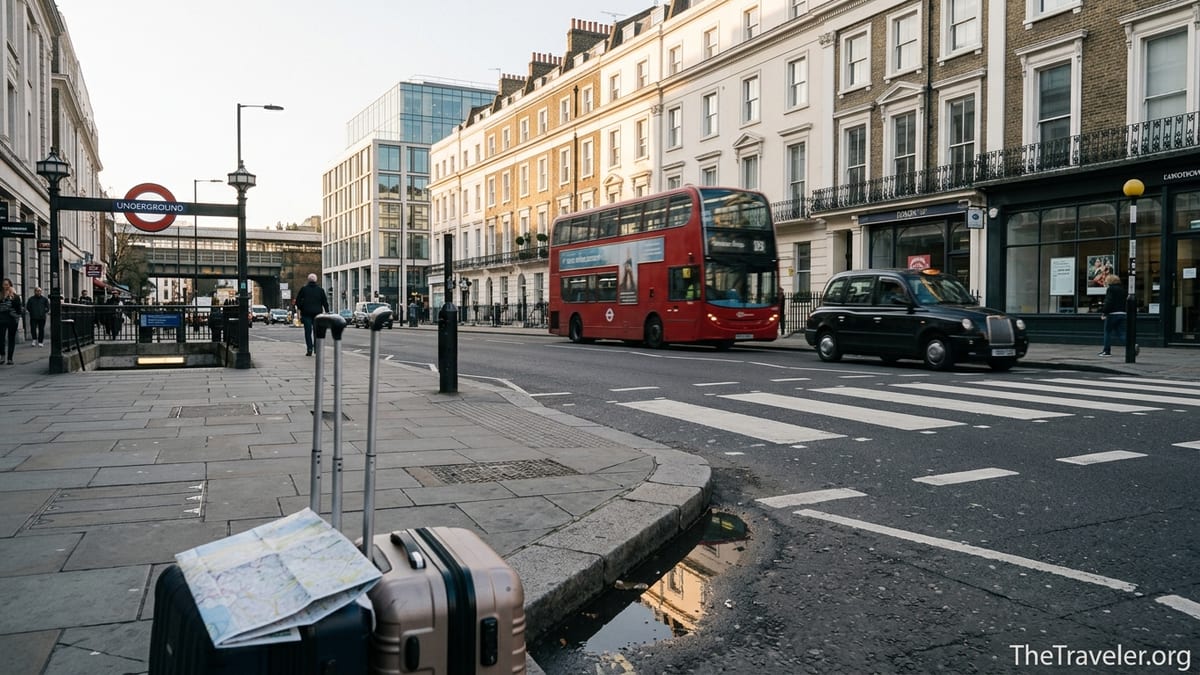
How Much Does a Trip to England Cost in 2026
Travel costs in England vary sharply between London and the rest of the country, as well as by season. London hotel rates remain among the highest in Europe, while cities such as Manchester, Liverpool, York and Bristol can be significantly more affordable. Prices also change quickly with inflation, so it helps to think in ranges rather than fixed numbers.
As a rough benchmark in 2026, many visitors report central London three-star hotels starting around £150 to £220 per night, while well located four-star properties more commonly sell in the £220 to £350 range, with premium and design hotels in popular areas often higher. Outside the capital, mid-range rooms in cities like Leeds or Newcastle can still be found from about £90 to £140 per night if booked in advance, with local guesthouses and small hotels sometimes under £90 in shoulder seasons.
Day-to-day spending is shaped just as much by how you move around and where you eat as it is by your room rate. A traveler who uses advance train fares, Oyster or contactless cards on public transport, supermarket meal deals and free museum entries can keep daily costs much lower than someone buying last-minute train tickets, taking taxis and dining in central London restaurants each night.
For most international visitors in 2026, a realistic full daily budget including accommodation, food, city transport, attractions and some local travel falls roughly between £90 and £160 for a careful budget traveler, £160 to £280 for a comfortable mid-range style, and £300 or more for those seeking a largely worry-free, high-end experience.
Accommodation Costs: From Hostels to Luxury Hotels
Accommodation will usually be your single largest expense in England. In central London, basic hostel dorm beds in larger properties can often be found in the £30 to £55 per night range, depending on season and bed count, while private hostel rooms or simple budget hotels typically start around £90 to £130 on weeknights outside peak events. Around major holidays or big concerts, it is not unusual for even modest places to climb above £150.
Three-star city hotels and branded chains such as Premier Inn, Travelodge or Ibis often serve as the backbone of a mid-range trip. In London zones 1 and 2, these hotels frequently price between £140 and £220 per night for advance, non-refundable bookings, with rates rising for flexible options. In regional cities, the same brands might charge closer to £80 to £130 on many nights, especially Sunday through Thursday outside of school holidays, making it appealing to spend more nights outside London if you want to stretch your budget.
For travelers seeking four-star comfort, boutique hotels in areas such as South Bank, Shoreditch or Kensington often run between £220 and £350 per night for a standard room, with breakfast sometimes extra. In regional centers like York or Bath, attractive historic hotels and high-rated guesthouses are commonly found around £140 to £220 per night, and can feel almost indulgent compared with London prices. Country house hotels in the Cotswolds or Lake District vary widely, but it is easy to spend £300 to £500 per night at popular retreat properties.
Short-term apartment rentals and serviced apartments remain popular, especially for families and longer stays. A small one-bedroom flat in outer London, convenient to the Underground, might run £130 to £200 per night, while central properties with two bedrooms can push well over £300. In smaller cities, well located apartments sometimes undercut hotel prices, landing in the £90 to £150 range. Always factor in cleaning fees and minimum stays when comparing, as these can shift the true nightly cost.
Getting Around: Trains, Passes, Rental Cars and Fuel
England is best known for its rail network, which is extensive, fast on key routes and often expensive when bought at the last minute. A flexible peak-time London to Manchester ticket bought on the day can run into three figures per person, while an advance “Any Operator” ticket purchased weeks ahead for a specific departure may cost closer to £30 to £60 one way in standard class. Similar pricing patterns apply on routes such as London to York or London to Bath, which means planning ahead can dramatically reduce your transport budget.
International visitors can also consider BritRail passes, which bundle multiple days of train travel. As a broad guide, recent pricing has placed a four-day BritRail pass covering England, Scotland and Wales somewhere around the low £200s in standard class, with first class passes notably higher. Passes allow spontaneous use of many trains without further payment, which can be attractive if you are hopping frequently between cities, but they will not always beat carefully chosen advance fares for a simple two-city itinerary.
Within cities, public transport is usually the best way to keep costs under control. In London, tapping in and out with a contactless bank card or an Oyster card automatically caps fares each day. As a 2026 example, a visitor staying in zones 1 and 2 might expect the system to cap their Underground and bus spend at a figure that often ends up around the cost of three or four individual rides, which can be very efficient if you move around a lot. In regional cities, day bus tickets of roughly £4 to £6 are common, while local trains and trams can add a few more pounds.
Renting a car can make sense for rural areas such as the Cotswolds, Cornwall or the Lake District, especially if you are traveling in a pair or group. Compact car rentals collected in London often start from roughly £40 to £60 per day for basic models in the low season, rising in summer or at short notice. Fuel is a serious cost factor. With recent unleaded petrol prices commonly hovering around £1.45 to £1.70 per litre in many parts of the UK, a full 50-litre tank can easily cost £70 to £80. Parking in cities is limited and can be expensive, so many travelers find it best to combine trains for intercity travel with occasional car rental for countryside segments.
Food and Drink: What You Will Really Pay to Eat in England
Food costs in England can be surprisingly flexible. At the budget end, supermarkets and high-street chains make it quite feasible to eat well without spending restaurant prices every day. Typical supermarket “meal deals” that include a sandwich or salad, a snack and a drink often fall in the £3.50 to £6 range, while a takeaway bakery pastry and coffee might cost a combined £4 to £7 depending on the chain and location.
Pub meals are still one of the most popular ways to experience English food. In 2026, an average main course in a pub in many parts of the country tends to land somewhere around £12 to £20, with central London and fashionable areas charging more. Many national surveys and industry reports put a simple pub lunch with a main dish and a drink in the ballpark of £18 to £28 per person, especially in cities. A pint of beer typically costs around £4 to £6 in much of England, with London often higher and some central venues charging £7 or more for premium lagers or craft beers.
Sit-down restaurants cover a wide spectrum. At casual chains or local mid-range spots, a main course will often come in at £14 to £24, with starters from about £6 to £10. A relaxed dinner with a shared starter, two mains, a dessert to share and non-alcoholic drinks can easily reach £30 to £45 per person once service is added, especially in London. Higher-end bistros and modern British restaurants in neighborhoods like Soho, Shoreditch or Marylebone commonly charge around £60 to £90 per person for three courses with a glass or two of wine.
Fine dining, tasting menus and renowned hotel restaurants sit at another level entirely. Top tasting menus in London frequently price at or above £150 per person before drinks, and a full experience with wine pairings can double that. In regional foodie destinations such as Bristol or Yorkshire, acclaimed restaurants may offer exceptional cooking for lower but still significant budgets, such as £80 to £120 per person for a multi-course menu. Most visitors will only splurge like this once or twice; on normal days, combining a simple breakfast from a bakery, a casual lunch and a more substantial dinner keeps costs reasonable.
Attractions, Tours and Experiences: What to Budget
One of the best values in England is the number of free attractions, particularly museums and galleries. In London, major institutions such as the national collections do not charge general admission, which means you could spend several days visiting world-class art and history exhibits without paying entry fees. However, visiting temporary exhibitions, special events or smaller private museums often carries a charge, which may sit in the £10 to £25 range per adult.
Paid historic sites and landmarks can add up quickly on a longer trip. Entry to famous royal palaces and castles commonly ranges between about £25 and £35 for adults when booked directly, sometimes less with advance discounts or combined tickets. For example, visiting a large riverside fortress in London or a major royal residence outside the city typically costs somewhere in this range, while smaller regional castles and stately homes can be a bit cheaper. Many churches operate on a suggested donation basis, though some major cathedrals charge fixed entry fees in the low to mid teens.
Guided walking tours are a popular and relatively affordable way to learn about a city. Standard group walking tours in places like London, Oxford or York often cost between £15 and £30 per person for a two-hour experience, while themed food tours, gin walks or ghost tours may push closer to £25 to £40. Bus tours, including open-top sightseeing routes in London, frequently charge around £30 to £45 for 24 hours of hop-on hop-off access, sometimes with bundled river cruises.
More specialized experiences increase the per-day cost quickly. A small-group day tour from London to Stonehenge and Bath in a comfortable coach can cost around £80 to £130 per person, depending on inclusions and season, and private driver-guided days in the countryside can easily exceed £400 in total. Reserved theatre tickets in London’s West End run from around £20 for restricted view seats on quieter nights to well over £100 for prime stalls seats at hit musicals on weekends. It is wise to set aside a separate “experiences” line in your budget, especially if you want to combine a few headline attractions with one or two big tours.
Sample Daily Budgets: Budget, Mid-Range and Luxury
Although every traveler is different, it helps to run through sample daily budgets that include most typical costs. In each example below, figures are approximate and assume pricing typical of 2026 for a single traveler. Couples can often share some costs, particularly accommodation, which changes the per-person picture.
A frugal budget traveler staying in a hostel in a regional city might pay £40 for a dorm bed, £12 for a supermarket breakfast and quick coffee, £7 for a lunch meal deal, £16 for a simple pub main and soft drink, £6 for city buses and occasional tram rides, and £15 for one paid attraction or tour, adding up to about £96 for the day. In London, replacing the dorm bed with a basic budget hotel at £120 and adding slightly higher transport costs could easily push the day toward £150, even with similarly modest food choices.
A comfortable mid-range traveler in London might stay in a three-star hotel at £180, have a coffee and pastry breakfast for £7, a casual café or pub lunch at £18, a sit-down dinner with a drink for £40, £10 to £12 in transport across Underground and buses, and £25 on average for one ticketed attraction or a walking tour. That totals around £280 in a typical day. Outside London, swapping the hotel for a £110 room and trimming city transport might bring the daily spend closer to £200 on the same pattern of meals and activities.
A luxury-focused traveler could easily triple these numbers, especially in the capital. A night in a five-star central London hotel for £450, a leisurely hotel breakfast at £25, a nice restaurant lunch at £40, a high-end dinner with cocktails and wine at £120, a mix of taxis and chauffeur services for £40 to £60, and a theatre ticket plus premium attraction for £80 can reach the £750 range in a single day. Adding spa treatments, private guides, or business-class rail tickets between cities will push the number higher still.
Money-Saving Strategies That Still Feel Like a Holiday
Keeping costs under control in England does not need to mean sacrificing enjoyment. One of the most effective strategies is to reduce the number of nights in central London and allocate more time to regional cities that still offer excellent culture, food and nightlife at lower prices. For instance, a week that includes three nights in London and four in Manchester, Liverpool or York will almost always be cheaper than spending all seven in the capital on a like-for-like standard of accommodation.
Booking rail travel as far in advance as practical is another powerful saving tactic. If you know you will travel from London to Edinburgh or York on a particular day, searching and booking tickets several weeks ahead often yields advance fares half or even a third of the flexible walk-up price. Similarly, checking whether a railcard is available to you, such as the Two Together, 16–25, 26–30 or Senior Railcard for eligible visitors staying long enough to justify the cost, can cut many fares by around one third after a modest upfront fee.
When it comes to food, mixing restaurant meals with supermarkets and casual options keeps budgets balanced. Having breakfast at your hotel is convenient but can easily cost £15 to £25 per person at mid-range properties in London. If your room does not include breakfast, consider picking up yogurt, fruit and bakery items from a nearby supermarket instead, saving that money for a memorable dinner. Lunch can often be inexpensive by using meal deals or bakery counters, leaving dinner as your main sit-down meal of the day.
Finally, seek out passes and combination tickets for attractions where they genuinely suit your plans. In London, attraction clusters sometimes offer combined tickets covering a couple of major sites at a discount versus buying separately. In the countryside, heritage organizations and castle networks sometimes sell annual or multi-site passes that can pay for themselves within a few days of intensive sightseeing. It is still worth checking the individual prices and your schedule before buying, but where the numbers add up, these products can significantly lower your average daily spend.
FAQ
Q1. How much money do I need per day in England as a budget traveler?
For a budget traveler sharing hostel dorms and using public transport, a realistic daily range in 2026 is roughly £90 to £150, with the higher end more typical in London and the lower end achievable in smaller cities and towns when you use supermarket food and focus on free attractions.
Q2. Is London really that much more expensive than the rest of England?
Yes, London usually costs noticeably more, especially for hotels, eating out and some attractions. It is common for the same hotel brand to charge £150 to £220 per night in central London but £80 to £130 in a regional city, and restaurant and pub prices show similar gaps, though careful planning and use of free museums can still make London manageable.
Q3. Are BritRail passes worth it for visiting England?
BritRail passes can be excellent value if you plan to take several medium or long-distance train journeys over a short period, such as visiting London, York and Edinburgh in one week. If you are only taking one or two point-to-point trips and can book advance fares, individual tickets often work out cheaper, so it is wise to price out your exact routes before deciding.
Q4. How far in advance should I book trains to get good prices?
For long-distance routes within England, booking several weeks in advance usually offers the best selection of lower-priced advance fares. Tickets often go on sale around 8 to 12 weeks before travel, and while you can sometimes find deals closer to the date, prices generally rise as cheaper fare buckets sell out, especially on popular Friday and weekend services.
Q5. What is a typical cost for a meal in an English pub in 2026?
In 2026, you can usually expect a main course in a pub to cost around £12 to £20 in many parts of England, with London venues and fashionable areas often higher. A full pub lunch or dinner including a main and one drink often ends up in the £18 to £28 range per person, depending on your choices and location.
Q6. How much should I budget for attractions in England each day?
If you mix free museums with one paid site or tour most days, budgeting around £15 to £35 per person per day for attractions is reasonable for many itineraries. Days that include major palaces, premium experiences or theatre tickets can easily push this figure higher, while days focused on walking, markets and parks might cost almost nothing.
Q7. Is renting a car in England more expensive than using trains?
Renting a car can be cost-effective for small groups visiting rural areas, but it is rarely cheaper for solo travelers covering major intercity routes. When you factor in rental fees of roughly £40 to £60 per day for a compact car, plus fuel, parking and potential congestion or low-emission charges in cities, trains often work out simpler and comparable in cost for straightforward city-to-city travel.
Q8. How much does fuel cost in England, and how does it affect road trip budgets?
Recent petrol prices in England have often sat around £1.45 to £1.70 per litre, which means filling a typical 50-litre tank might cost £70 to £80. On a road trip, this can make fuel one of your larger line items after accommodation, so it is important to estimate your driving distances and factor in not only fuel but also parking and tolls when comparing with train travel.
Q9. Can I use contactless payments everywhere in England?
Contactless card payments are widely accepted across England in 2026, including on most public transport, in supermarkets, pubs, restaurants and at attractions. It is still a good idea to carry a small amount of cash for occasional small vendors, local markets or rural locations, but many visitors spend days in major cities without ever needing to visit an ATM.
Q10. What is a good total budget for a one-week trip to England?
For a one-week trip in 2026, a budget traveler staying partly in hostels and using trains sparingly might manage on about £700 to £1,050 not including flights. A mid-range visitor staying in three-star hotels, eating out once or twice a day and seeing several paid attractions might be more comfortable with £1,200 to £2,000, while a luxury-focused traveler in four or five-star hotels with frequent restaurant dining and private tours could easily spend £2,500 or more over the week.