


Punting along the River Cam is one of those classic English experiences that feels both timeless and surprisingly varied once you look at the details. In 2026, visitors to Cambridge face a very practical question: should you book a shared tour, pay extra for a private or family punt, or try steering a self-hire boat yourself? With prices for shared tours now often between about £25 and £41 per person in September 2026, and private punts ranging from roughly £99 into the £200-plus bracket depending on group size and timing, choosing the right option can easily save or cost you a significant sum. This guide breaks down each type of tour, the official punting stations that actually reach the famous College Backs, what you see along the way, and how to use off-peak timings and online booking to your advantage.
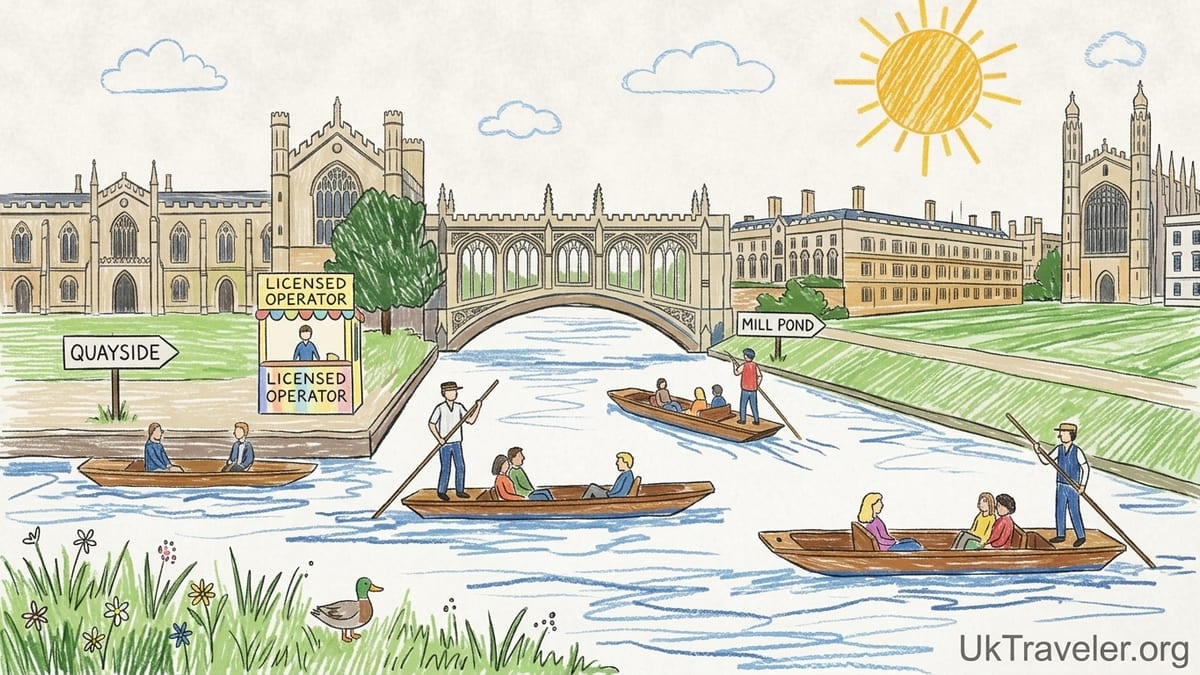
Understanding Cambridge’s Licensed Punting Stations
If you want to see the postcard view of Cambridge, you need to start at the right place. Cambridge City Council confirms that commercial punting on the central river is regulated, with six authorised punting stations serving visitors via operators licensed by the Conservators of the River Cam. These are La Mimosa on the corner of Jesus Green, Quayside by Magdalene Bridge, Trinity College inside the college grounds, the Mill Pond on Silver Street, nearby Mill Lane, and the Granta mill pond near Sheeps Green. Any legitimate College Backs tour will start from one of these points, even if you buy your ticket elsewhere in town.
For the famous College Backs, the most relevant stations are Quayside and La Mimosa at the northern end, and the Mill Pond or Mill Lane at the southern end of the route. From Quayside, you typically head upstream past St John’s and Trinity before turning and gliding down the full stretch of college gardens and bridges. From the Mill Pond, you set off under Silver Street Bridge, pass Queens’ College and its Mathematical Bridge, then continue past King’s, Clare and Trinity before looping back. Granta Mill Pond, by contrast, is aimed at quieter countryside trips toward Grantchester rather than the central colleges.
Once you are in the historic centre, you will encounter touts trying to sell you punting on the spot, including around King’s Parade and the market. Some are linked to licensed operators, others are not. The simplest way to stay on the right side of the rules is to check where your ticket says you will board. If it is not one of the six named stations, you are unlikely to be boarding a licensed College Backs tour. When in doubt, walk directly to Quayside, the Mill Pond or Mill Lane and buy at the kiosk there, or book online with a company whose confirmation clearly states a licensed departure point.
The licensing system matters because it controls how many boats operate on the most sensitive section of the river and encourages operators to follow basic safety and visitor codes. That does not guarantee that every tour is identical in style or commentary, but it does mean the punt and chauffeur should be insured and operating from a recognised station, which is a reassuring baseline for anyone stepping onto the water for the first time.
What You See On A College Backs Punting Tour
A standard chauffeured punting tour along the College Backs runs for about 45 to 50 minutes in normal river conditions. On a typical shared or private tour leaving from Quayside, you will glide under Magdalene Bridge, with the medieval frontage of Magdalene College on one side, then pass St John’s College and its ornate Bridge of Sighs, one of Cambridge’s most photographed landmarks. Further along, the route takes in Trinity College’s riverside lawns and the Wren Library, then the green space of the Backs opens up ahead of Clare and King’s College.
From the southern end, leaving the Mill Pond or Mill Lane, the sequence reverses. You begin by ducking under Silver Street Bridge and drifting past Darwin College and Queens’ College, where the angular Mathematical Bridge seems to span the river without traditional bolts. The boat then continues past King’s College Chapel towering over manicured lawns, followed by Clare and Trinity, before finally approaching St John’s and the Bridge of Sighs near the northern turning point. Whichever way you start, you normally see the same core highlights: a continuous run of historic colleges, private gardens and photogenic bridges that are not accessible from the streets.
Most operators provide live commentary from the chauffeur, with the level of detail and style varying from company to company and even from guide to guide. Some tours emphasise historical facts about the colleges, royal visitors and architectural quirks. Others lean more into stories about famous alumni, student pranks and local legends. If you are particularly interested in accurate academic history, alumni-focused companies and those that stress their guide training may be worth prioritising. In any case, you should expect to come away with at least a working understanding of why King’s Chapel is so significant, where Isaac Newton supposedly watched the falling apple, and how the colleges came to own such prime riverside land.
Outside the high summer rush, the College Backs can feel surprisingly peaceful. Early morning and late evening tours in spring or autumn often bring softer light, fewer boats and better reflections of the buildings in the water. In practical terms, that quieter atmosphere can also make for clearer commentary and more space for photos, which matters if you have travelled a long way for a short window in the city.
Shared Punting Tours: Cheapest Guided Option
In 2026, a shared chauffeured punt remains the entry-level way to see the College Backs with a professional guide. You buy an individual seat rather than renting the whole boat, and the operator fills the remaining spaces with other visitors. Recent prices for September 2026 show shared tours from around £25 per person at the lower end when booked online in advance through operators such as Cambridge River Tours, rising to roughly £35 to £41 per person with some premium brands and on prime weekend slots. These figures can move with demand, but they illustrate the bracket you are likely to encounter at the river.
Most shared tours follow the full College Backs route, last about 45 minutes and include live commentary. Boats typically take up to 12 passengers, though capacity can vary slightly by operator and licensing terms. For a couple or solo traveller, this format often represents the best value, especially outside peak times. For example, two adults booking a mid-morning shared tour online in shoulder season might pay under £60 total while still enjoying the full guided experience past King’s College Chapel and the Bridge of Sighs.
The main compromise with shared tours is control. Departure times are fixed or semi-flexible around demand, you share the space with strangers, and you cannot tailor the commentary or route. On a very busy summer afternoon, your boat may sit in light traffic behind other punts at narrow points under the bridges. That tends to bother some travellers more than others. If you treat it as part of the local colour and focus on the views and stories, a shared seat delivers the essential experience at the lowest guided price point.
For families with older children or budget-conscious groups of friends, a shared tour can still make sense. The total cost for a family of four at around £25 to £30 per person will quickly approach or even exceed some entry-level private offers, however, so it is worth running the numbers carefully before you commit, especially in high season.
Private and Family Punts: Paying For Space And Flexibility
Private chauffeured punts are sold per boat rather than per seat. In September 2026, published prices for private College Backs tours on licensed operators’ sites typically start around £99 to £140 for a standard 45 to 50 minute tour at quieter times, and can run into the £200 plus range for peak weekends, bank holidays or extended durations. One alumni-focused operator, for instance, lists a flat rate of about £250 for a private boat carrying up to six guests on a curated university-focused tour, whereas a more mainstream operator quotes around £140 per punt on a weekday for up to 12 passengers from the Granta station.
The per-person maths can work out in your favour if you have a larger group. Take a simple example: a group of eight booking at £160 per punt pays the equivalent of £20 each, which undercuts many shared per-seat prices for the same route. A family of five might find that a private punt quoted at £130 to £150 is only modestly above what they would spend on five separate shared tickets at £25 to £30 each, especially when you factor in the comfort of having the boat to yourselves.
Beyond price, the appeal of a private or family punt lies in flexibility and atmosphere. Because the entire boat is yours, the chauffeur can adjust the pace slightly, linger a little longer in scenic spots if river traffic allows, and tailor the commentary to your interests, whether that is architectural detail, student life or stories to keep younger children engaged. Private tours are also a popular choice for proposals, anniversaries and graduation trips, where the extra space and privacy justify the jump in cost over a shared seat.
Most operators treat “family” punts as a subcategory of private tours: the boat is yours, but the price may be structured with a maximum number of adults plus a certain number of children, sometimes with small discounts midweek or outside school holidays. For visitors arriving from outside the United Kingdom, it is worth noting that life jackets or buoyancy aids for children are routinely available and you can request them when booking or on arrival.
Self-Hire Punts: Cheapest Boat, Most Work
Self-hire punting is the do-it-yourself option. You rent an unchaperoned punt and a pole by the hour and handle all the steering and propulsion yourself. In 2026, indicative summer rates advertised by major self-hire operators cluster around the £35 to £40 per hour mark for a standard boat from central stations, sometimes with discounts for longer rentals or off-peak slots. Some operators nearer the Granta mill pond, away from the College Backs, pitch slightly lower hourly rates for more relaxed countryside trips toward Grantchester.
For groups prepared to share the work, self-hire can be significantly cheaper per person. If six friends split a two hour rental at £40 per hour, they each pay about £13.30 for a long spell on the river, which is notably below the going rate for a guided tour. The trade-off is that first-time punters often spend a large portion of that time learning how to keep the boat straight and avoid gentle collisions with the bank or other craft, especially on the narrower, busier sections beside the colleges.
Self-hire is available both on the College Backs and on the upstream meadows toward Grantchester, but conditions differ. The Backs are beautiful and confined, with frequent turns under stone bridges and more boat traffic in high season. The meadows section is wider and less crowded, which gives beginners more room to practice and makes it easier to relax between turns at the pole. If your main goal is to admire the architecture and hear the history without stress, a chauffeured tour is usually the better choice for a first visit. If you want an active, slightly chaotic group activity and do not mind occasionally bouncing off the bank, self-hire can be memorable and cost-effective.
Several local companies suggest that novice punters consider booking a shared or private chauffeured tour first, then switching to self-hire later in the day, once they have watched the technique up close. That way you see the full College Backs without distraction, then enjoy a more playful hour or two on a quieter stretch of the river where mistakes are less consequential.
Pricing Seasons, Early Starts And Off-Peak Savings
Cambridge punting prices in 2026 are highly sensitive to timing. Operators adjust shared, private and self-hire rates based on season, day of the week, time of day and even short term demand. Peak prices tend to coincide with sunny weekend afternoons from late May through early September, bank holidays, and major university events. Shoulder seasons in spring and autumn, plus midweek days outside school holidays, usually bring lower base prices and more room for negotiation on the quayside.
Within a single day, early and late slots often cost less and feel calmer. A shared tour at 10:00 in the morning or after 17:00 can be several pounds cheaper than midday departures on the same operator’s live price calendar. Private punts may also be discounted in the first and last time bands of the day, with some companies offering special “early bird” or “sunset” rates that drop the per-punt price below the midday peak, especially on weekdays.
Weather and river conditions also matter. On cooler or overcast days, operators are more likely to run promotional pricing or accept a reasonable haggle at the kiosk. Conversely, when the sun appears on a Saturday in August and queues form along Quayside, prices advertised on chalkboards tend to harden. Because systems differ, the most reliable way to secure a lower price is to check live online calendars for multiple companies a week or two before your visit, then compare those figures to what you are offered in person on the day.
If you are travelling with children, consider the trade-off between off-peak savings and their energy levels. A discounted late-evening tour may be tempting on paper, but a mid-morning or early afternoon slot at a slightly higher price might produce a much better experience if it means everyone is awake, warm enough and engaged with the guide’s stories.
Why Online Booking Can Be Cheaper Than Paying On The Day
One feature of the current Cambridge punting market is that online booking platforms and operator websites often show lower base prices than the rates quoted on the riverbank. Several licensed companies advertise “from £25 per person” for shared tours and around £99 to £120 for standard private punts when booked in advance, especially outside the busiest Saturdays. Walk up to the same kiosk at peak time without a reservation and you may find the price per seat has drifted closer to £35 or more, with private quotes edging toward the top of the advertised range.
The gap exists for a few reasons. First, advance online bookings help companies smooth their staffing and fleet allocation, which they reward with lower promotional rates and occasional discount codes. Second, some third party platforms negotiate bulk allocations at set prices, which can undercut the last minute walk up rate and still leave room for the operator’s margin. Third, touts operating in the city centre may quote higher starting figures in the hope that visitors unfamiliar with typical prices accept them without comparison.
For travellers, the practical takeaway is to treat online search as a pricing benchmark. Before your trip, look at at least two or three established operators serving the College Backs, note their September pricing bands for shared and private tours, and screenshot or write down the typical range. When you arrive in Cambridge, compare any tout or kiosk offer to that range. If you are quoted significantly higher than the online norm for the same tour type and duration, either politely negotiate or simply walk to a different licensed station.
Prebooking is not always essential. On many non-peak days, you can turn up at Quayside or the Mill Pond and secure a shared seat within 20 to 30 minutes. However, if you have a specific time window, a large group, or you are visiting on a summer weekend or university event day, reserving online in advance at a competitive rate can remove uncertainty while avoiding last minute price inflation. Just make sure the confirmation clearly states which licensed station you should report to and how flexible your time slot is if the weather changes.
The Takeaway
Choosing the right punting tour in Cambridge in 2026 comes down to balancing budget, crowd tolerance and how much control you want over the experience. Shared chauffeured tours along the College Backs, now typically starting around £25 per person online and climbing into the low £40s at busy times, remain the simplest and most economical guided option, particularly for solo travellers and couples. Private and family punts, priced roughly from £99 to well over £200 depending on timing and group size, buy you space, privacy and a more tailored commentary, and can actually work out cheaper per person once you fill the boat.
Self-hire punts are usually the lowest cost per person for a group willing to share the work, with hourly rates often around the high thirties in pounds for central stations in peak season. They are best suited to visitors who are comfortable learning a new physical skill in public and accept that they may spend more time zigzagging than gliding at first. If your priority is high quality views and stories with minimal effort, a chauffeured tour remains the safer bet, at least for your first circuit of the Backs.
Whatever format you choose, starting from one of the six licensed stations and paying attention to seasonality, time of day and online pricing can significantly improve the value you receive. The same river, landmarks and bridges are shared by every operator, but your experience of them will feel very different on a crowded midday punt booked at a premium compared with a quieter, better priced early morning or prebooked tour. A little advance research and a willingness to walk an extra few minutes to a licensed station will help ensure that your memory of Cambridge’s river is of tranquil water, college lawns and engaging stories, rather than haggling on the pavement.
FAQ
Q1. Do I need to book a Cambridge punting tour in advance?
Advance booking is not strictly required, but it is strongly recommended on summer weekends, bank holidays and major university event days. Prebooking online often secures a lower price and a guaranteed time slot at a licensed station, which can be reassuring if you only have a few hours in the city.
Q2. Which punting stations actually serve the College Backs?
For standard College Backs tours, you should expect to board at Quayside or La Mimosa near Magdalene Bridge at the northern end, or at the Mill Pond on Silver Street or Mill Lane at the southern end. Trinity College’s internal station is mainly for college associated boats, while the Granta mill pond is more commonly used for meadows and Grantchester trips.
Q3. How long does a typical punting tour last?
Most chauffeured College Backs tours, whether shared or private, last about 45 to 50 minutes in normal river conditions. Some operators also offer extended 90 minute or two hour options, usually at a higher per punt price, which may combine the Backs with a short stretch of meadows.
Q4. How much should I expect to pay for a shared punting tour in 2026?
In September 2026, shared tours along the College Backs typically start from around £25 per person when booked online in advance with mainstream operators, rising to roughly £35 to £41 per person at peak times or with premium brands. Walk up prices on very busy days can be higher, so checking live online rates before you go is sensible.
Q5. When does a private punt make more financial sense than a shared tour?
A private punt begins to look good value once you have enough people to fill most of the boat. For example, if a private tour costs £160 for up to 10 passengers, a group of eight pays £20 each, which may be cheaper than shared seats advertised at £27 to £30 per person on the same date. Large families and groups of friends often find that the per head difference shrinks to only a few pounds once they run the numbers.
Q6. Is self-hire punting suitable for first time visitors?
Self-hire is possible for beginners, but it can be physically demanding and requires concentration, especially on the narrow College Backs in high season. First time visitors who mainly want to enjoy the views and commentary usually get more from a chauffeured tour, perhaps followed by a self-hire session later in the day on the quieter meadows section after they have watched how experienced punters handle the pole.
Q7. What landmarks will I see on a standard College Backs tour?
A typical College Backs route includes views of Magdalene, St John’s and Trinity Colleges, the Bridge of Sighs, the Wren Library, Clare and King’s College with its famous chapel, Queens’ College and the Mathematical Bridge, plus several riverside gardens and lawns that are not accessible from public streets.
Q8. Are there ways to reduce the cost of punting for a family?
To keep costs down, consider visiting on a weekday in shoulder season, booking the earliest or latest tours of the day, and comparing online family or private punt offers against the total price of multiple shared seats. Some operators also run occasional promotions for local residents or student card holders, so it is worth checking the fine print if you have any eligible IDs.
Q9. How can I avoid unlicensed or poor quality operators?
Stick to the six recognised punting stations, check that your ticket clearly states a licensed departure point, and treat any tout who cannot specify where you will actually board with caution. Reading recent reviews and looking for clear information about tour duration, route and safety on a company’s website can also help you filter out weaker options.
Q10. What should I wear and bring on a punting tour?
Dress for the weather, bearing in mind that it can feel cooler on the water than in the streets. A light waterproof layer, comfortable shoes and a warm layer in spring and autumn are sensible. Many operators provide blankets in cooler months, and you may want to bring a small bag with water, sunscreen or a hat in summer, plus a phone or camera for photos secured with a wrist strap or case.