


Across South East England, spa hotels have quietly evolved from simple pool-and-sauna add‑ons into serious wellness destinations. With more than 100 spa hotels now spread across Surrey, Sussex, Hampshire, Oxfordshire and Buckinghamshire in 2026, choosing the right one is less about “is there a spa” and more about what kind of spa experience you actually want: vast hydrotherapy temples, forest-surrounded retreats, couples’ hideaways or sociable spa days close to London. This guide focuses on genuine destination spas and luxury hotel spas, comparing what matters most in practice: the quality of pools and hydrotherapy, thermal areas, spa‑day access, couples’ options, restaurants and overnight packages.
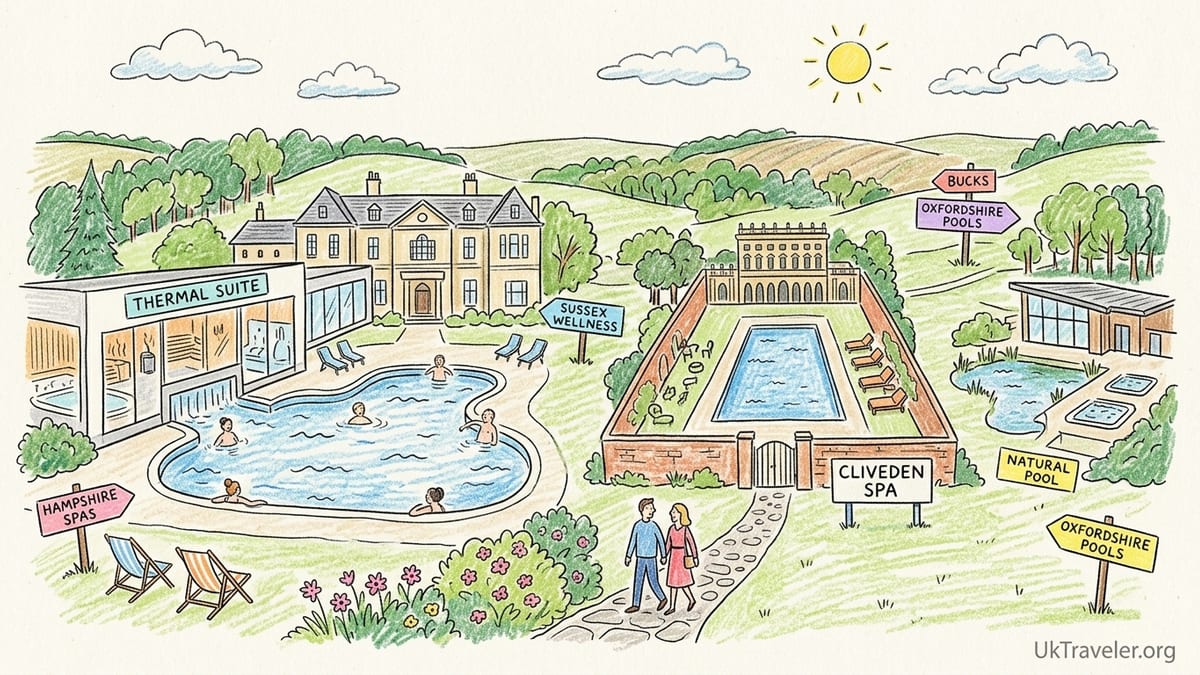
How the South East Spa Landscape Stacks Up in 2026
On paper, South East England is packed with more than 100 properties marketing themselves as spa hotels in 2026. In reality, a significant share are regular hotels with a compact leisure club: a small pool, a sauna the size of a cupboard and perhaps a single treatment room. Local tourism sites tend to reflect this split. The official tourism boards for Hampshire, Oxfordshire and Buckinghamshire highlight a smaller group of true spa resorts and luxury country-house hotels, pointing visitors toward properties with substantial wet facilities and purpose-built wellness spaces rather than token steam cabins tucked behind the gym.
For travellers, that means the first step is filtering for hotels where the spa is a destination in its own right. Across the five counties, these include headline names such as Chewton Glen and Four Seasons Hampshire in Hampshire, South Lodge in West Sussex, Great Fosters and Brooklands Hotel in Surrey, The Oxfordshire and Bicester Hotel Golf & Spa in Oxfordshire, and The Langley and Cliveden in Buckinghamshire. They are joined by a tier of smaller but still serious operations, from riverfront boltholes on the Thames to golf-and-spa resorts on the Chiltern fringes.
The key differentiator is not star rating but hardware. Look for a decent-length pool, proper hydrotherapy or vitality pools, and a thermal suite with at least sauna and steam as standard. Many of the best South East spas now add extras such as experience showers, heated loungers, outdoor hot tubs or wild swimming ponds. The best-known examples, such as Chewton Glen and The Langley, build their identity around these facilities, advertising features like vast hydrotherapy pools or extensive thermal circuits as central to the experience rather than an afterthought.
Because competition has intensified, most marquee spas in the region now bundle access into day packages and overnight stays instead of charging separate access fees. It is still worth checking the small print, however. Some country-house hotels, particularly around Oxford and in commuter-belt Surrey, limit spa access to hotel guests or paid day packages, while others allow local members and day visitors, which can noticeably affect how tranquil the spa feels in reality.
Pools and Hydrotherapy: Where to Really Swim and Soak
If water is your priority, Hampshire and Buckinghamshire lead the pack, with Oxfordshire and Sussex following closely behind. In Hampshire, Chewton Glen’s spa near the New Forest is regularly singled out for its water offering, including one of the largest hydrotherapy pools of its kind in the UK, backed up by a sizeable indoor pool and whirlpools. Nearby luxury properties such as Lime Wood and the herb-scented Herb House spa focus more on tranquil indoor pools and outdoor hot tubs than sheer scale, but together they illustrate why local guides describe Hampshire as home to some of the country’s standout destination spas.
Buckinghamshire counters with The Langley, a Luxury Collection Hotel set in parkland near Iver. Its spa is marketed as one of the largest hotel spas in Europe, combining an indoor and outdoor pool with a generous thermal area and dedicated relaxation spaces. For travellers who want to intersperse serious lengths in a proper pool with time in hydrotherapy circuits, this kind of purpose-built complex offers more than the classic country-house pool added in a former orangery. Cliveden and Stoke Park, also in Buckinghamshire, add to the choice with indoor pools and spa facilities arranged in historic walled gardens or modern pavilions.
Sussex and Surrey bring outdoor water into the conversation. South Lodge in West Sussex has become a reference point for indoor-outdoor pool design in the South East, centring its spa on three pools: a main indoor pool, a heated outdoor hydrotherapy pool overlooking the grounds and an 18‑metre natural-feel wild swimming pool for cold-water fans. In Surrey, modern properties like Brooklands Hotel near Weybridge lean on features such as rooftop hot tubs or hydrotherapy pools with skyline views, while Great Fosters pairs a heritage hotel stay with a more intimate pool-and-thermal set‑up that suits couples and small groups.
Oxfordshire’s spa hotels, clustered around the countryside near Thame, Bicester and the outskirts of Oxford, tend to take a practical approach to water. The Oxfordshire Golf Hotel & Spa offers a 15‑metre pool supported by sauna and steam, while Bicester Hotel Golf & Spa stretches to a 20‑metre pool and a hydro spa area. These are not theme-park-sized water worlds, but for a relaxed spa day that balances swimming with a couple of thermal stops and a treatment, they hold their own against more high-profile rivals closer to London.
Thermal Suites and Wellness Circuits: Sauna Lovers’ Shortlist
Thermal facilities are where hotel spas most obviously separate into the serious and the symbolic. Many mid‑market hotels in Surrey and Hampshire still describe a single wooden cabin and a small steam room as a “thermal suite.” The destination spas in the same counties go considerably further, incorporating multiple saunas, crystal or aromatherapy steam rooms, experience showers and sometimes even snow rooms into a deliberate hot–cold circuit.
In Hampshire, Chewton Glen’s spa pairs its huge hydrotherapy pool with pine-scented saunas, crystal steam rooms and dedicated relaxation areas, turning the changing rooms themselves into part of the experience. Some New Forest retreats now offer mud rasul rituals or salt inhalation rooms as optional extras, giving spa-goers reason to linger for an entire day rather than squeezing in a quick swim before dinner. Four Seasons Hampshire, converted from an 18th-century stable block, focuses more on serene steam and sauna spaces attached to a thick treatment menu using high-end brands such as Sodashi or Natura Bissé.
South Lodge again stands out in Sussex. Its “restorative thermal suite” brings together classic Finnish sauna, steam and experience showers with a modern design that flows between indoor and outdoor areas, encouraging guests to alternate between heat, cold dips and air. Some smaller Sussex properties, such as medieval-style country hotels with compact spa wings, keep facilities more straightforward but still offer full-body experiences when combined with serious treatments and good relaxation spaces.
Oxfordshire and Buckinghamshire are more selective but quietly strong in thermal offerings. The Garden Spa at some Oxfordshire country properties, and the spa at The Oxfordshire itself, include bio saunas, steam rooms and spa pools arranged as a mini circuit. In Buckinghamshire, The Langley layers multiple thermal experiences around its pools, while Cliveden’s spa in the walled garden adds classic sauna and steam to the historic outdoor pool made famous in mid‑20th century headlines. Travellers who enjoy unhurried hot–cold rituals will find these counties more rewarding than parts of Surrey, where several nominal spas still give priority to gym members ahead of thermal design.
Spa Days and Access: Where Non‑Residents Are Welcome
One of the most practical questions for spa-goers is whether you can enjoy the facilities without booking a room. Across South East England, the pattern varies by county and even by individual hotel. Hampshire and Sussex have embraced the spa‑day market most openly, with many properties marketing weekday and Sunday spa days that include several hours’ access, a light lunch and at least one 25‑ or 50‑minute treatment. At Chewton Glen, for example, typical spa days are priced toward the upper end of the market, often including access to the hydrotherapy pool, thermal areas and relaxation lounges alongside afternoon tea or a two‑course lunch. Mid-range Hampshire hotels around Southampton and Winchester, such as harbour or business-focused properties with full spa wings, pitch more accessible spa‑day prices in exchange for a busier atmosphere and smaller thermal suites.
In Sussex, South Lodge welcomes day guests alongside hotel residents, though popular dates book out well in advance. Packages usually fold in full use of the three pools, thermal suite and relaxation spaces, which makes them more comparable with destination spa resorts than with gym-based hotel spas. A handful of smaller country houses on the Sussex coast offer occasional spa‑day promotions, though facilities may be more modest: a single indoor pool, a compact hydrotherapy pool and basic sauna and steam.
Oxfordshire and Buckinghamshire sit between local leisure clubs and closed‑door retreats. Golf resorts near Bicester and Thame tend to sell day access, frequently tied to midweek deals that tempt local guests when occupancy is lower. The Oxfordshire’s spa brochure, for instance, outlines spa days that combine a treatment with access to the thermal spa suite and either lunch or afternoon tea, illustrating the now standard format across the region. In Buckinghamshire, marquee names like The Langley and Cliveden lean more heavily on resident guests and select spa‑day packages, keeping numbers on the spa floor relatively low and the atmosphere correspondingly calm.
Surrey is the most mixed. Riverfront hotels like The Runnymede on Thames and country properties around Egham and Guildford often blend member access, hotel guests and day visitors in the same spa, which can make weekends feel club‑like rather than exclusive. For travellers prioritising tranquillity over sociability, it is worth considering a midweek booking or nudging across the county line to Berkshire or Hampshire, where several five‑star retreats limit spa access and keep numbers carefully managed.
Best Counties and Hotels for Couples’ Spa Breaks
For couples planning a romantic spa escape, the question is less whether a hotel has a spa and more how the entire stay feels, from check‑in to dinner. Hampshire, Sussex and Buckinghamshire emerge as the strongest contenders. In Hampshire, Chewton Glen and Lime Wood combine wooded surroundings, walking trails and stylish bedrooms with full-service spas that can easily occupy a long afternoon together before a tasting menu or relaxed brasserie dinner. Four Seasons Hampshire adds an explicitly rural equestrian backdrop, where horse‑riding, country walks and wine‑focused dinners round out a couples’ weekend.
In Sussex, South Lodge’s combination of wild‑swimming pond, outdoor hydrotherapy pool and big‑sky views over the South Downs creates a striking setting for two. Couples can spend unhurried hours drifting between water, thermal rooms and treatment suites, then move up to a contemporary restaurant for modern British dishes or stay casual with lighter spa‑side plates. Further along the coast, smaller Sussex country houses with medieval or Tudor architecture appeal to those who care as much about candlelit dining rooms and four‑poster beds as about the breadth of the spa menu.
Buckinghamshire has quietly developed into one of the most romantic spa regions close to London. The Langley’s grand Palladian house and expansive parkland give it the feel of a discreet retreat, while its spa facilities and indoor–outdoor pools cater well to couples who enjoy wellness but do not want it to dominate the entire stay. At Cliveden, the combination of formal gardens, river views and a stylish spa hidden in a walled garden makes a persuasive case for a one‑ or two‑night break that balances cultural history with time in the water.
Oxfordshire and Surrey offer more varied experiences for couples. Around Oxford itself, spa hotels tend to target golf groups and local residents as much as romantic getaways, but several still work well for a one‑night escape that mixes pool time, a shared massage and dinner in a decent restaurant. In Surrey, the best couples’ choices are selective: Great Fosters, for example, offers atmospheric historic interiors and manicured gardens, supported by a more intimate spa set‑up that suits two people wanting somewhere relaxed and characterful rather than a full‑scale wellness resort.
Restaurants, Food Philosophy and Drinking Options
A spa break lives or dies by its food almost as much as by its facilities. In Hampshire, flagship spa hotels such as Chewton Glen and Lime Wood have long placed serious restaurants at the heart of their offering, with tasting menus, kitchen‑garden produce and thoughtful wine lists. Visitors can book packages that combine spa time with three‑course dinners, which is ideal for a special‑occasion night away. Some New Forest properties now also build in lighter “spa cuisine” options in poolside cafes, offering salads, grilled fish and non‑alcoholic cocktails to suit guests who want to lean into the wellness theme.
Sussex and Surrey increasingly mirror this. South Lodge’s dining options cover everything from refined modern British menus to more casual eateries that work for guests who stay in robes until mid‑afternoon. Riverfront hotels in Surrey, such as those on the Thames near Egham, usually offer brasserie-style dining centred on seasonal British dishes, which pairs comfortably with a relaxed spa day. However, travellers seeking cutting‑edge or explicitly wellness-focused menus may find a broader choice in Hampshire and parts of Oxfordshire.
In Oxfordshire, country hotels and golf-and-spa resorts often pivot between hearty post‑golf dishes and lighter spa‑friendly plates. Menus might feature sharing boards and grills in the main restaurant, plus salads, smoothies and lower‑alcohol drinks in spa lounges. Buckinghamshire’s luxury spa hotels sit at the more indulgent end of the spectrum. At The Langley and Cliveden, expect polished dining rooms, afternoon tea services in grand interiors and well-developed cocktail lists. Packages sometimes pair spa access with champagne teas or tasting menus, leaning into celebration rather than strict detox.
A practical consideration is dress codes and timings. In more relaxed spa hotels, particularly in Sussex and parts of Surrey, guests can remain in robes for lunch in designated spa restaurants. In formal country-house surroundings in Buckinghamshire and Hampshire, spa-goers will usually change into smart-casual attire for dinner. If you are planning to arrive late and head straight from the pool to the table, it is worth checking in advance whether the hotel’s set‑up makes that easy.
Overnight Packages and Value Across the Counties
With room rates and spa prices rising across the South East, value is increasingly about what is bundled into an overnight package. Hampshire’s official tourism site now actively promotes spa breaks as a core reason to visit the county, and many hotels respond with seasonal offers. Typical inclusions might be one night’s accommodation, full English breakfast, spa access from check‑in to check‑out and a 55‑minute treatment per person. At top-tier properties like Chewton Glen or Four Seasons Hampshire, such packages usually sit at the premium end of the price range but deliver a depth of facilities and service that budget-friendly spa hotels cannot match.
Oxfordshire and Buckinghamshire make a strong case for mid‑week value. Resorts around Bicester and Thame often discount Sunday-to-Thursday stays outside school holidays, packaging spa access with dinner and a shorter 25‑minute treatment. For travellers flexible on dates, this can provide a more cost-effective way to access decent pools and thermal suites. In Buckinghamshire, midweek breaks at The Langley or golf-oriented spa hotels may include credits to spend on treatments rather than pre-booked therapies, giving guests freedom to choose massages, facials or body rituals to suit their preferences.
Sussex and Surrey show the widest range of pricing. At the top end, South Lodge and a handful of characterful country houses sell aspirational weekend packages that can rival the best in Hampshire and Buckinghamshire. Farther down the ladder, you will find offers that include basic spa access, a modest treatment and bed and breakfast at prices more comparable with city hotels. The trade‑off is usually in the detail of the spa itself: shorter pools, more limited thermal facilities and a busier atmosphere, particularly where membership schemes feed additional users into the same space.
Whichever county you choose, it pays to read package terms carefully. Some deals include spa access only from specific hours or exclude use of hydrotherapy pools. Others allow access on both arrival and departure days, effectively turning a one‑night stay into almost two full spa days. For couples or friends planning a single annual treat, those details can make a bigger difference than a modest difference in room rate.
The Takeaway
In 2026, South East England has matured into one of the UK’s most varied spa regions. Official tourism promotions now actively spotlight spa breaks in Hampshire, Oxfordshire and Buckinghamshire, while Surrey and Sussex quietly add a wide cast of hotel spas that range from rooftop hydrotherapy pools to intimate historic hideaways. The sheer number of properties can be confusing, but focusing on fundamentals makes the decision clearer: size and style of pools, depth of thermal facilities, whether genuine spa‑day access is offered and how well restaurants and rooms support the overall experience.
Travellers who want a full‑scale spa resort should start with Hampshire’s New Forest and Buckinghamshire’s grand parkland hotels, where hydrotherapy pools, extensive thermal circuits and high‑end dining coalesce into destination experiences. Those who prefer a more natural setting or a contemporary feel might gravitate toward Sussex and Surrey’s indoor‑outdoor spas, while Oxfordshire offers solid, good‑value options that slot easily into short breaks from London or the Midlands. The right choice depends on whether you see the spa as the main event or part of a wider country escape, but across these five counties you will find plenty of real spa hotels that deliver more than just a token treatment room.
FAQ
Q1. Which county in South East England is best for a full‑scale luxury spa resort?
Hampshire and Buckinghamshire are the strongest bets for large, fully equipped spa resorts. Properties such as Chewton Glen in Hampshire and The Langley in Buckinghamshire offer extensive pools, hydrotherapy areas, serious thermal suites and fine dining, making them ideal if the spa is the core focus of your break.
Q2. Where can I find the best indoor‑outdoor spa experiences?
Sussex and parts of Surrey stand out for indoor‑outdoor design. South Lodge in West Sussex is a flagship example, with an indoor pool, heated outdoor hydrotherapy pool and an 18‑metre wild swimming pool, all backed by a contemporary thermal suite with views over the South Downs.
Q3. Are there good spa hotels close to London for a one‑night escape?
Yes. Buckinghamshire and Surrey are particularly convenient, with options such as The Langley and Cliveden in Buckinghamshire or Great Fosters and riverfront hotels near Egham in Surrey. These are all within roughly an hour of central London by car in normal traffic, making them realistic for a single night away.
Q4. Which spas are best if I mainly want serious pool time?
If swimming is your priority, look at hotels with generous main pools and separate hydro pools. Chewton Glen in Hampshire, South Lodge in Sussex and Bicester Hotel Golf & Spa in Oxfordshire all offer good‑length pools plus dedicated hydrotherapy or spa pools, making it easy to combine lengths with relaxed soaking.
Q5. Do I need to be a hotel guest to use the spa facilities?
Not always. Many leading spa hotels in Hampshire, Sussex, Oxfordshire and parts of Surrey sell day packages that include spa access and treatments. Some of the most exclusive properties in Buckinghamshire focus more on residents and limit day numbers. It is essential to check each hotel’s policy, especially at weekends when demand is highest.
Q6. Which spa hotels are best for couples looking for a romantic break?
For romance, consider Chewton Glen, Lime Wood and Four Seasons Hampshire in Hampshire, South Lodge in Sussex and The Langley or Cliveden in Buckinghamshire. All combine seductive settings and good dining with spa facilities that work well for two people spending unhurried time together.
Q7. Are there spa hotels in these counties that focus on wellness rather than indulgence?
Yes, although the emphasis in the South East still tilts toward indulgent country‑house luxury. Several spas now incorporate wellness touches such as nutrition‑conscious menus, yoga or Pilates sessions and longer, more holistic treatment journeys. You are more likely to find these at top‑end properties in Hampshire, Sussex and Oxfordshire than at straightforward business hotels with small spas.
Q8. How can I tell if a hotel’s spa is more than just a basic leisure club?
Look at the detail. A genuine spa hotel will usually advertise hydrotherapy or vitality pools, multiple thermal experiences and a substantial treatment menu, not just a pool and a single sauna. Check recent photos and descriptions of the spa area, and be wary of hotels that lean heavily on a gym or conference offering but say little specific about hydrotherapy or thermal suites.
Q9. When is the best time of year to book a spa break in South East England?
Spa hotels operate year‑round, but value is usually best outside school holidays and peak summer weekends. Midweek nights between late September and early May often bring softer rates and quieter spas, while shoulder seasons like March and October can offer a good compromise between price, availability and weather.
Q10. Are spa breaks in Hampshire, Oxfordshire and Buckinghamshire promoted by official tourism boards?
Yes. The official regional tourism sites for Hampshire, Oxfordshire and Buckinghamshire now actively promote spa breaks as a key reason to visit, curating a smaller list of featured spa hotels from the wider pool of more than 100 properties across South East England. These curated lists can be a useful starting point if you want reassurance that a hotel’s spa is a genuine highlight.